What zinc does in your body
Zinc is a mineral. Your body needs only a small amount, but it uses zinc in hundreds of jobs. Zinc helps immune cells work, helps wounds heal, helps you taste and smell, and helps make DNA and proteins. It also matters for growth in children and for making sperm in men.
Your body cannot store much zinc, so you need a little every day from food or supplements.
How much you need
The National Institutes of Health (NIH) recommends 11 milligrams a day for adult men and 8 milligrams for adult women. Pregnant women need 11 mg and breastfeeding women 12 mg.
The safe upper limit for adults is 40 mg a day from all sources. Going above that for weeks or months can cause problems, which we cover below.
Best food sources
Oysters are by far the richest source. A single serving can give several times your daily need. Beef, pork, and chicken are also good sources. So are beans, nuts, whole grains, and dairy.
One catch: zinc from plant foods is absorbed less well. Grains and beans contain phytates, which bind zinc. Vegetarians and vegans may need about 50 percent more zinc than meat eaters, according to NIH.
Who runs low
True zinc deficiency is uncommon in the U.S., but some groups are at risk. These include people with gut diseases like Crohn's or celiac, people who have had weight-loss surgery, people with alcohol use disorder, vegetarians, pregnant and breastfeeding women, and some older adults.
Signs of low zinc include slow wound healing, hair loss, frequent infections, diarrhea, loss of appetite, and a dulled sense of taste or smell. A blood test can measure zinc, though it is not perfect because levels shift with illness and time of day.
Does zinc fight colds?
This is the question most people ask. The honest answer is: maybe a little, and the evidence is shaky. Several trials found that zinc lozenges started within 24 hours of symptoms shortened colds by about a day. Other trials found no benefit. A 2024 Cochrane review, which pools the best studies, concluded that zinc might shorten a cold slightly, but the quality of evidence was low.
If you try lozenges, use them at the first sign of a cold and expect side effects like a bad taste or nausea. Do not use zinc nasal sprays or gels. The FDA warned in 2009 that some of them caused lasting loss of smell.
Too much zinc is a real problem
High doses of zinc can cause nausea, vomiting, stomach cramps, and headaches. Taking more than 40 mg a day for a long time can block copper absorption, which leads to anemia and nerve problems. Zinc also lowers how well some antibiotics and other medicines are absorbed. Take zinc a few hours apart from those drugs.
Zinc is included in many multivitamins, immune gummies, and cold remedies. Add up everything you take so you do not go over the limit without realizing it.
How Zen IV Spa can help
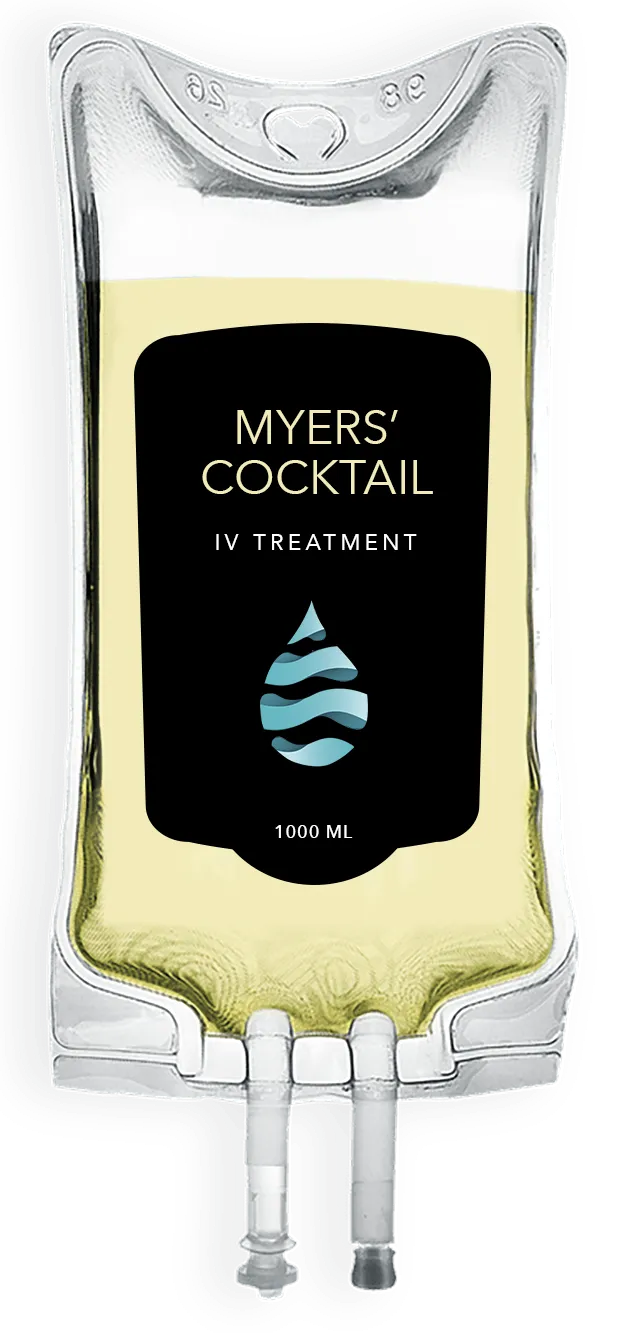
If you want to know your zinc, vitamin D, iron, and other nutrient levels, a Zen IV Spa nurse can draw labs at your home in New York or New Jersey. Zen IV Spa also offers IV drips like the Myers' Cocktail ($299), which delivers vitamins and minerals straight into the bloodstream for people who want a quick boost. A clinician can tell you which options fit your results. Learn more at zenivspa.com/iv/ or call (332) 239-2005.
Common Questions
How much zinc should I take daily?+
Adult men need 11 mg and adult women need 8 mg a day. Do not go above 40 mg a day from all sources without a clinician's advice.
Does zinc help with acne or hair loss?+
Some small studies suggest zinc may help mild acne, and hair loss can be a sign of deficiency. Zinc only helps if you are actually low, and it is not a replacement for proven treatments.
Can I take zinc every day?+
Yes, at normal doses. A multivitamin with 8 to 15 mg is fine for most adults. Daily high doses are not a good idea.
What is the best form of zinc?+
Zinc gluconate, citrate, picolinate, and sulfate are all absorbed well. The amount matters more than the form.
Does zinc interact with medicines?+
Yes. It can reduce absorption of certain antibiotics and penicillamine. Diuretics can increase zinc loss. Tell your clinician what you take.
Sources: NIH Office of Dietary Supplements, Zinc Fact Sheet for Health Professionals; Cochrane Review on zinc for the common cold (2024); FDA 2009 safety warning on intranasal zinc products.
All treatments are medical services. Every guest is screened, and every treatment is prescribed by a licensed provider. Nothing on this page is medical advice for you personally, and the opinions summarized here belong to the doctors named, not to Zen IV Spa. Talk to a provider before starting or stopping anything.