What a physical exam is for
A physical is preventive care. Its purpose is to find problems before they cause symptoms and to keep your screenings and vaccines up to date. High blood pressure, high cholesterol and rising blood sugar usually cause no symptoms for years, and they are among the first things a physical checks.
The evidence is worth knowing. Research reviews have found that regular checkups lead to more diagnoses of conditions such as high blood pressure, better control of blood pressure and cholesterol, and more people getting the screenings and vaccines they are due. Trials have not shown that checkups alone reduce deaths. The value is in what gets found and acted on.
Types of physical exams
Annual physical or wellness exam. A general health check that you book yourself. No form is needed.
School physical. Required by many schools, camps and colleges. It confirms that a student is healthy and that vaccines are current. Bring the school's form.
Sports physical. Required before most school and club sports. It focuses on the heart, lungs, joints and past injuries. The key part is a set of questions about fainting, chest pain during exercise and family history of early heart disease, which is how rare but serious heart conditions are picked up. Bring the form.
Pre-employment physical. Requested by an employer to confirm you can safely do the job. The content depends on the role and may include vision, hearing, lifting ability, a drug screen or specific vaccines. Bring the employer's form.
DOT physical. Required for commercial drivers. By federal rule it must be performed by an examiner listed on the national registry of certified medical examiners. Ask before you book whether the provider is certified for it.
Executive physical. A much longer assessment with broad lab testing and a written plan. See our Executive Physical.
What happens during the exam
Your history
- How you have been feeling, and any symptoms
- Past illnesses, surgeries and hospital stays
- Conditions that run in your family
- Medications, supplements and allergies
- Sleep, diet, exercise, alcohol, tobacco and stress
- Vaccines and past screenings
Measurements
- Height and weight
- Blood pressure, heart rate, breathing rate, temperature and oxygen level
The exam itself
- General appearance, skin and nails
- Eyes, ears, nose, mouth and throat
- Neck, including the thyroid and lymph nodes
- Heart and lungs, with a stethoscope
- Abdomen
- Joints, muscles and spine
- Nerves and reflexes, balance and strength
Tests, where they are due
- Blood work such as a blood count, cholesterol, blood sugar, and kidney and liver function
- Urine test
- An EKG if your history calls for one
Sensitive exams. Breast, pelvic, testicular, rectal and prostate exams are done only when there is a reason for them, with your consent, and are often left to your gynecologist, urologist or regular doctor. A Pap test is done in a clinic.
The conversation. The provider tells you what they found, which screenings and vaccines you are due for, and what to do next.
A routine physical takes about 30 to 60 minutes.
How to prepare
- Bring any form your school, team or employer needs filled out.
- List your medications and supplements, with how much and how often.
- Write down your family history: heart disease, stroke, diabetes and cancers, and the age each relative was diagnosed.
- Note your symptoms and questions so nothing is forgotten.
- Have your records ready: vaccine history, past test results, and details of surgeries.
- List your allergies.
- Mention implants or devices, such as a pacemaker, defibrillator or joint replacement.
- Ask whether to fast. If blood sugar or cholesterol will be tested, you may be asked to have only water for 8 to 12 hours beforehand.
- Wear loose clothing and a top with sleeves that roll up.
- Bring glasses or contacts if vision will be checked.
How often do you need one?
There is no single rule, and medical groups differ. Common guidance:
- Under 50 and healthy: every one to three years.
- 50 and over: every year.
- Any age with a chronic condition, such as high blood pressure or diabetes: at least yearly, and as often as your doctor advises.
- Children and teenagers: yearly.
Schools, teams and employers set their own schedules, usually yearly.
Screenings by age
A physical is where these get reviewed. These are the main US Preventive Services Task Force recommendations for adults at average risk. Your own schedule may differ.
| Screening | Who and how often |
|---|---|
| Blood pressure | All adults; yearly from 40 or with risk factors |
| Cholesterol | Adults 40 to 75, to assess heart risk; earlier with risk factors |
| Diabetes | Adults 35 to 70 who are overweight |
| Colorectal cancer | Ages 45 to 75 |
| Breast cancer (mammogram) | Women 40 to 74, every two years |
| Cervical cancer | Women 21 to 65 |
| Lung cancer (low-dose CT) | Ages 50 to 80 with a heavy smoking history |
| Bone density | Women 65 and over |
| Hepatitis C | Once for adults 18 to 79 |
| HIV | At least once for ages 15 to 65 |
| Depression | All adults |
Vaccines to review: flu every year, a tetanus booster every ten years, shingles from age 50, and pneumonia from age 50.
Where to get a physical
- Your primary care doctor. Usually the best choice if you have one. They know your history, and most insurance plans cover a yearly preventive visit in full.
- An urgent care or retail clinic. Convenient for school, sports and work forms. You will usually see someone who does not know your history. Urgent care is for same-day illness and minor injuries; it is not an emergency room.
- An employer's occupational health provider, for work physicals.
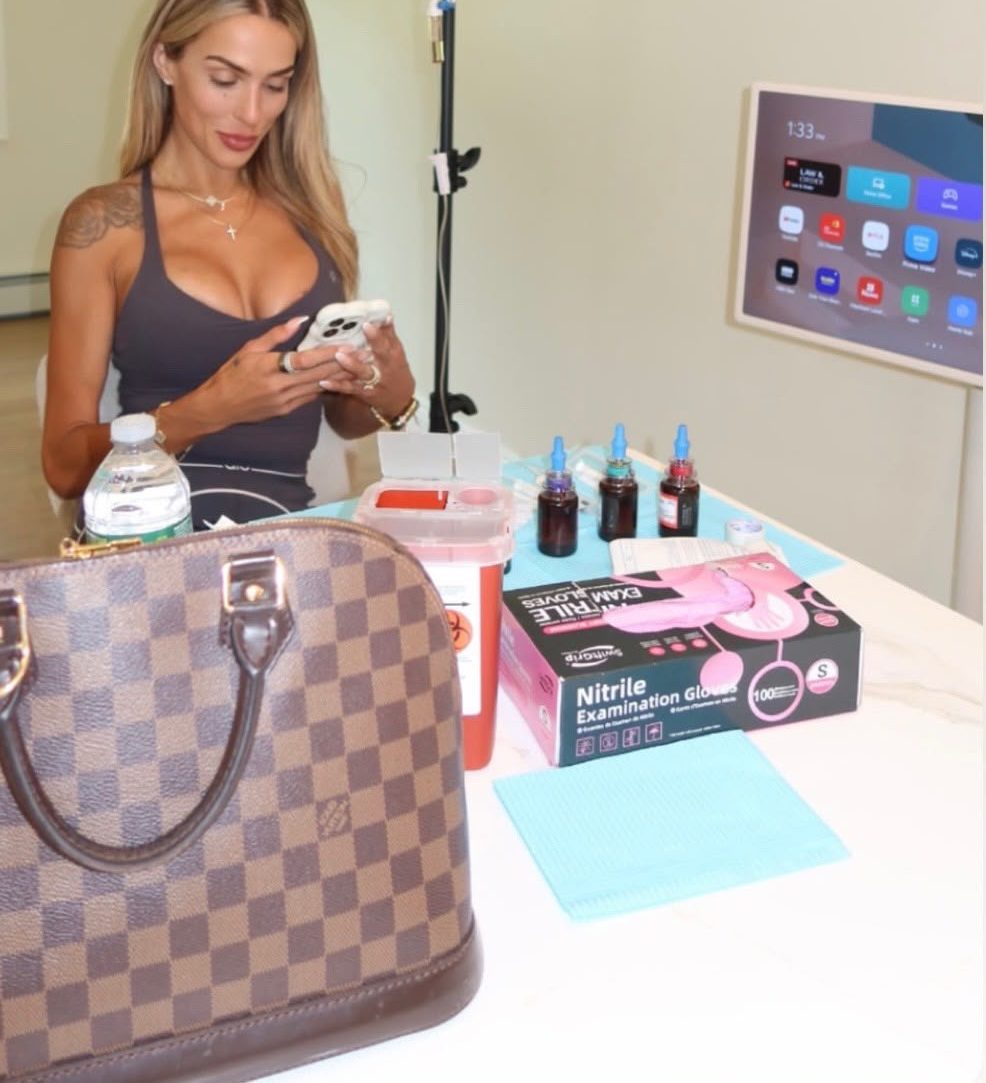
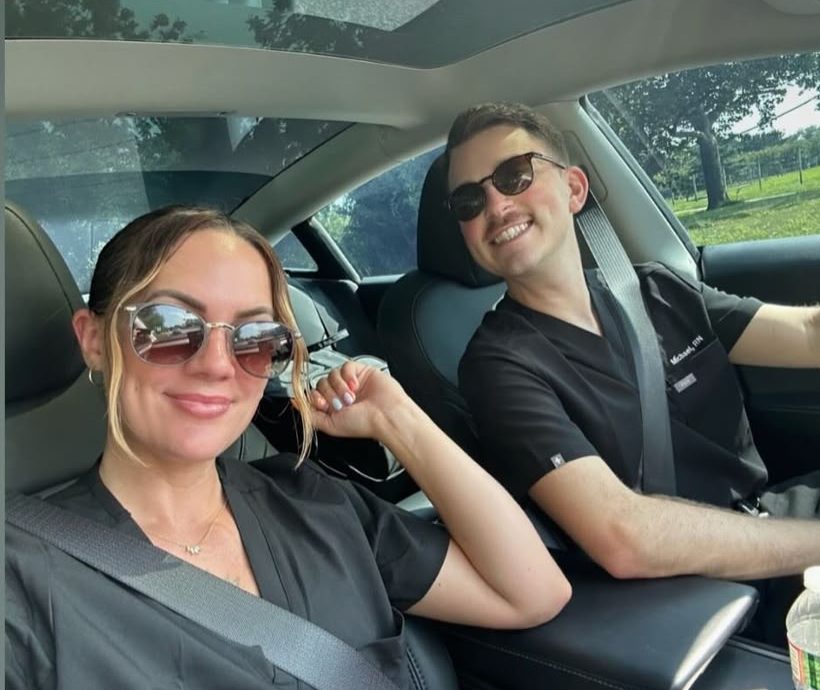
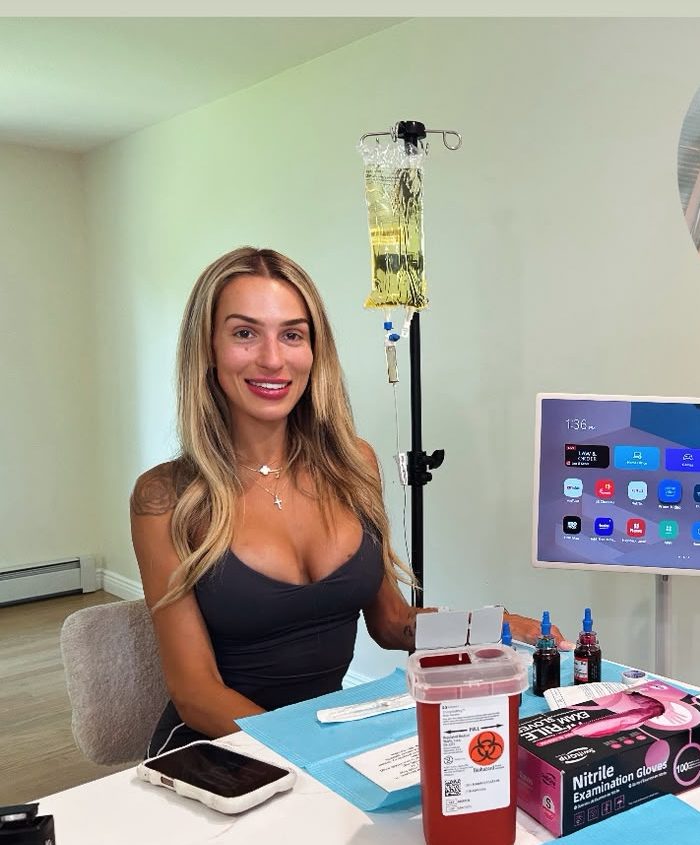
- A provider who comes to you. The exam happens at your home or office, with blood drawn at the same visit.
What it costs
With insurance, a yearly preventive physical with an in-network doctor is usually covered with no copay. Tests or problems addressed beyond the preventive visit may be billed. Without insurance, prices vary widely between clinics.
A physical at home is a direct-pay service. With Zen IV Spa it is booked as a doctor house call, which is $799 with travel included. Blood work and other tests are priced separately and listed before you book. You receive an itemized receipt to send to your plan, which may or may not reimburse you. It costs more than a clinic visit. People choose it for the time saved, the privacy, and having the exam and blood draw done in one visit without travel.
How a physical at home works
- You call or text, tell us what the physical is for, and send any form that needs completing.
- We confirm a time and tell you whether to fast.
- The provider comes to you with the equipment for the exam.
- History, measurements and exam, as described above.
- Blood is drawn at the same visit if tests are due.
- Your form is completed when the exam supports it.
- Results are explained by phone or video once the lab reports are back, with a plan and a copy for your own doctor.
At Zen IV Spa
We bring physical exams to homes, offices and hotels anywhere in New York & New Jersey, as a doctor house call. That includes annual wellness exams and school, sports and employment physicals. Blood work is drawn by a licensed nurse and reviewed with you by a licensed provider. For a deeper workup we offer a Health Assessment and an Executive Physical. Our medical director oversees every service.
See Doctor House Calls.
Quick answers
What does a physical exam include? A health history, measurements such as blood pressure, a head-to-toe exam, and any tests and screenings that are due.
How long does it take? About 30 to 60 minutes.
Do I need to fast? Only if blood sugar or cholesterol is being tested. Ask when you book.
How often should I have one? Every one to three years under 50 if you are healthy, and yearly from 50 or with a chronic condition.
Can a school, sports or work physical be done at home? Yes. Send us the form in advance.
Do you do DOT physicals? Ask us before booking. They must be done by a federally certified examiner.
Is a physical covered by insurance? A yearly preventive visit with an in-network doctor usually is. We do not bill insurance.
Will a physical find cancer? An exam alone finds little. The screenings reviewed at a physical, such as colonoscopy and mammograms, are what find cancers early.
Need a physical without the waiting room? Call or text (332) 239-2005.
Sources: US Preventive Services Task Force, A and B Recommendations; Liss et al., JAMA 2021 (General Health Checks in Adult Primary Care: A Review); Krogsbøll et al., Cochrane Database of Systematic Reviews 2019 (general health checks); American Academy of Pediatrics, Preparticipation Physical Evaluation; Federal Motor Carrier Safety Administration, National Registry of Certified Medical Examiners; CDC, Adult Immunization Schedule; MedlinePlus, Physical examination and Health screenings; HealthCare.gov, Preventive care benefits for adults. Educational content, not medical advice.
Ready to book?
Call or text (332) 239-2005, or book online. A licensed nurse comes to you anywhere in all of New York & New Jersey, 8 AM to 11 PM, seven days a week.
All treatments are medical services. Every guest is screened, and every treatment is provided only under the clearance, prescription or standing protocol of a licensed medical provider. Compounded peptides are not FDA-approved unless stated. Nothing on this page is a diagnosis or a promise of results.