Call 911 or go to the emergency room for these
- Chest pain or pressure, especially with sweating, nausea, or pain spreading to the arm, jaw or back
- Trouble breathing
- Signs of stroke: face drooping, arm weakness, slurred speech, sudden confusion, sudden loss of vision or balance
- A sudden severe headache unlike any before
- Fainting, a seizure, or new confusion
- Bleeding that will not stop with pressure
- A head injury with loss of consciousness, vomiting or confusion
- A broken bone that is visibly deformed or has broken the skin
- Severe abdominal pain, particularly if the abdomen is rigid
- Vomiting blood, or black or bloody stools
- A severe allergic reaction: swelling of the lips, tongue or throat, or difficulty breathing
- Serious burns, or burns to the face, hands or genitals
- Poisoning or overdose. Poison Control is 1-800-222-1222.
- Heavy bleeding or severe pain in pregnancy
- A fever of 100.4°F or higher in a baby under three months
- Thoughts of suicide or self-harm. Call or text 988.
With chest pain, stroke signs or trouble breathing, call 911. Do not drive yourself. Paramedics begin treatment on the way, and for heart attack and stroke, minutes change the result.
What an emergency room is
An emergency room is open 24 hours a day and is attached to a hospital. It has emergency physicians, CT and MRI scanners, a full laboratory, operating rooms, intensive care, and specialists on call. Under a federal law called EMTALA, an emergency room must examine and stabilize anyone who arrives, whether or not they can pay.
Patients are seen in order of severity, not arrival. That system, called triage, is why a sprained ankle can wait hours. US emergency rooms handle roughly 140 to 155 million visits a year.
What urgent care is
Urgent care centers are walk-in clinics for problems that need attention the same day and are not life-threatening. They are staffed by physicians, physician assistants and nurse practitioners. Most have X-ray, basic lab tests and rapid tests for strep, flu and COVID-19. They can stitch cuts, splint simple fractures and prescribe medication. Most are open evenings and weekends, and few are open overnight. They do not have CT scanners, surgeons or the ability to admit you to a hospital.
Urgent care fits:
- Sprains, strains and possible simple fractures
- Cuts that need stitches, where bleeding is controlled
- Sore throat, ear pain, sinus infection, cough, flu symptoms
- Urinary tract infections
- Minor burns and rashes
- Mild asthma flare-ups
- Vomiting or diarrhea with mild dehydration
- Pink eye, minor eye irritation
- Animal or insect bites without severe swelling
The third option: care that comes to you
For many of the same problems, you do not have to go anywhere.
- A house-call doctor examines you at home, in your office or in your hotel, can run rapid tests on the spot, and can prescribe medication when it is appropriate. This suits people who are too sick to travel comfortably, parents with a sick child and other children at home, older adults, and visitors to the city.
- A video visit suits problems that can be assessed by talking and looking: cold and flu symptoms, sinus trouble, rashes, pink eye, urinary symptoms, medication questions.
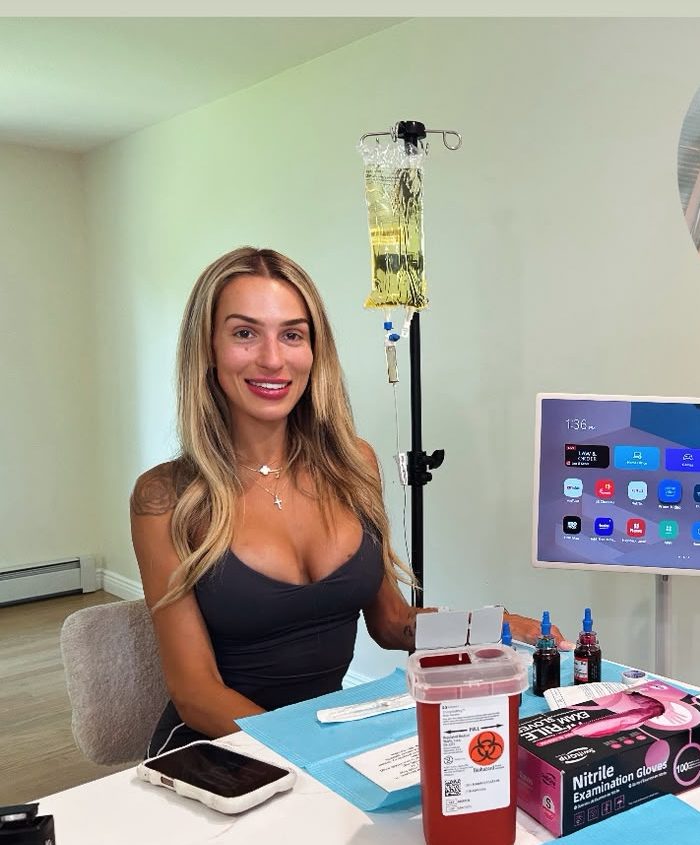
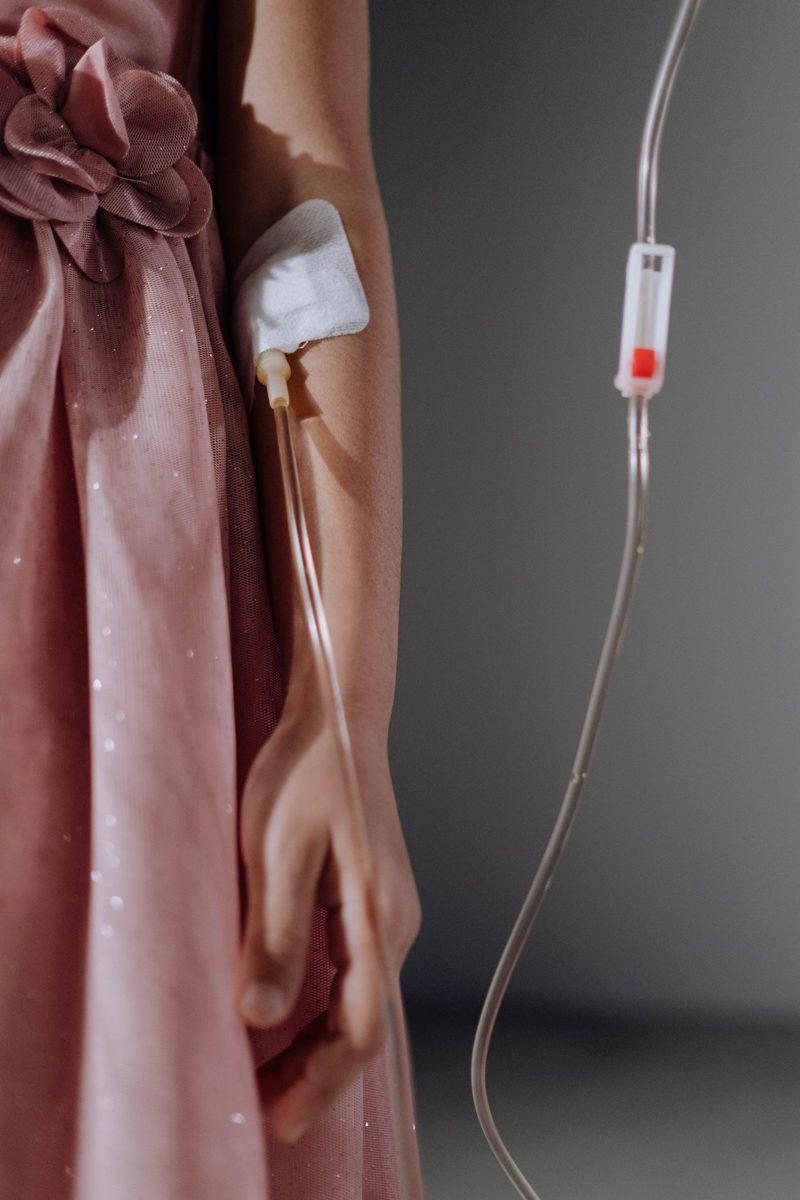
- A nurse visit for IV fluids suits dehydration from a stomach bug, when a provider has ordered it.
Care at home has limits. There is no X-ray or CT scan, and controlled medications are not prescribed. If the doctor finds something that needs a hospital, they will tell you to go.
Side by side
| Emergency room | Urgent care | House call or video visit | |
|---|---|---|---|
| For | Life-threatening and severe problems | Same-day, non-life-threatening problems | Same-day, non-life-threatening problems, without travel |
| Open | 24 hours | Days, evenings, weekends | By appointment, often same day |
| Imaging | X-ray, CT, MRI, ultrasound | X-ray at most sites | None |
| Can admit to hospital | Yes | No | No |
| Wait | By severity; often hours for minor problems | Usually under an hour | Scheduled; no waiting room |
| Typical cost | Highest | Much lower than an ER | A set price, told to you before you book |
The cost difference
A 2019 analysis by UnitedHealth Group found that the average cost of treating a common, non-emergency condition was about $2,000 in an emergency room and under $200 at an urgent care center. It estimated that about two thirds of emergency room visits by privately insured patients could have been treated elsewhere. Emergency rooms cost more because they keep specialists, scanners and operating rooms ready around the clock.
Cost should never decide a true emergency. For everything else, it is a reason to choose the right setting.
If you are not sure
- Ask whether it could threaten life, a limb or eyesight. If the answer could be yes, treat it as an emergency.
- Go by the worst symptom, not the average of them.
- Lower your threshold for babies, adults over 65, pregnancy, and anyone with heart disease, diabetes or a weakened immune system.
- Call a nurse advice line or your doctor's office if you have one. Many insurance cards list a 24-hour nurse line.
- When in doubt, go to the emergency room. Being sent home with reassurance is a good outcome.
How Zen IV Spa fits
We bring non-emergency care to homes, offices and hotels anywhere in New York & New Jersey, 8 AM to 11 PM, seven days a week. That includes doctor house calls ($799, travel included), video visits, rapid testing, and nurse visits for IV fluids on a provider's order. You call or text, a person answers, and we tell you honestly whether what you describe is something we can treat at home or something that needs an emergency room. We are not emergency care. Our medical director oversees every service.
See Doctor House Calls.
Quick answers
Is urgent care the same as an emergency room? No. Urgent care treats problems that are not life-threatening. It cannot perform surgery, do CT scans or admit you to a hospital.
Should I go to urgent care for chest pain? No. Call 911.
Can urgent care do X-rays and stitches? Most can do both.
Is urgent care cheaper than the ER? Yes, usually by a wide margin for the same minor condition.
What can a house-call doctor treat? Common illnesses and minor problems that do not need imaging, such as flu symptoms, sore throats, urinary infections, stomach bugs and rashes.
What if I pick wrong? Urgent care and house-call doctors send patients to the emergency room when needed. Going to the ER for something minor costs time and money, but it is safe.
Does the ER have to treat me without insurance? Federal law requires every emergency room to examine and stabilize you regardless of ability to pay.
Sick, not an emergency, and do not want to leave home? Call or text (332) 239-2005.
Sources: American College of Emergency Physicians, Know When to Go; CDC National Center for Health Statistics, Emergency Department Visits (National Hospital Ambulatory Medical Care Survey); Centers for Medicare & Medicaid Services, Emergency Medical Treatment & Labor Act (EMTALA); UnitedHealth Group, The High Cost of Avoidable Hospital Emergency Department Visits (2019); American Heart Association, Warning Signs of a Heart Attack; American Stroke Association, Stroke Symptoms; American Academy of Pediatrics, Fever and Your Baby; Urgent Care Association, industry overview. Educational content, not medical advice. In an emergency, call 911.
Ready to book?
Call or text (332) 239-2005, or book online. A licensed nurse comes to you anywhere in all of New York & New Jersey, 8 AM to 11 PM, seven days a week.
All treatments are medical services. Every guest is screened, and every treatment is provided only under the clearance, prescription or standing protocol of a licensed medical provider. Compounded peptides are not FDA-approved unless stated. Nothing on this page is a diagnosis or a promise of results.