Why it matters
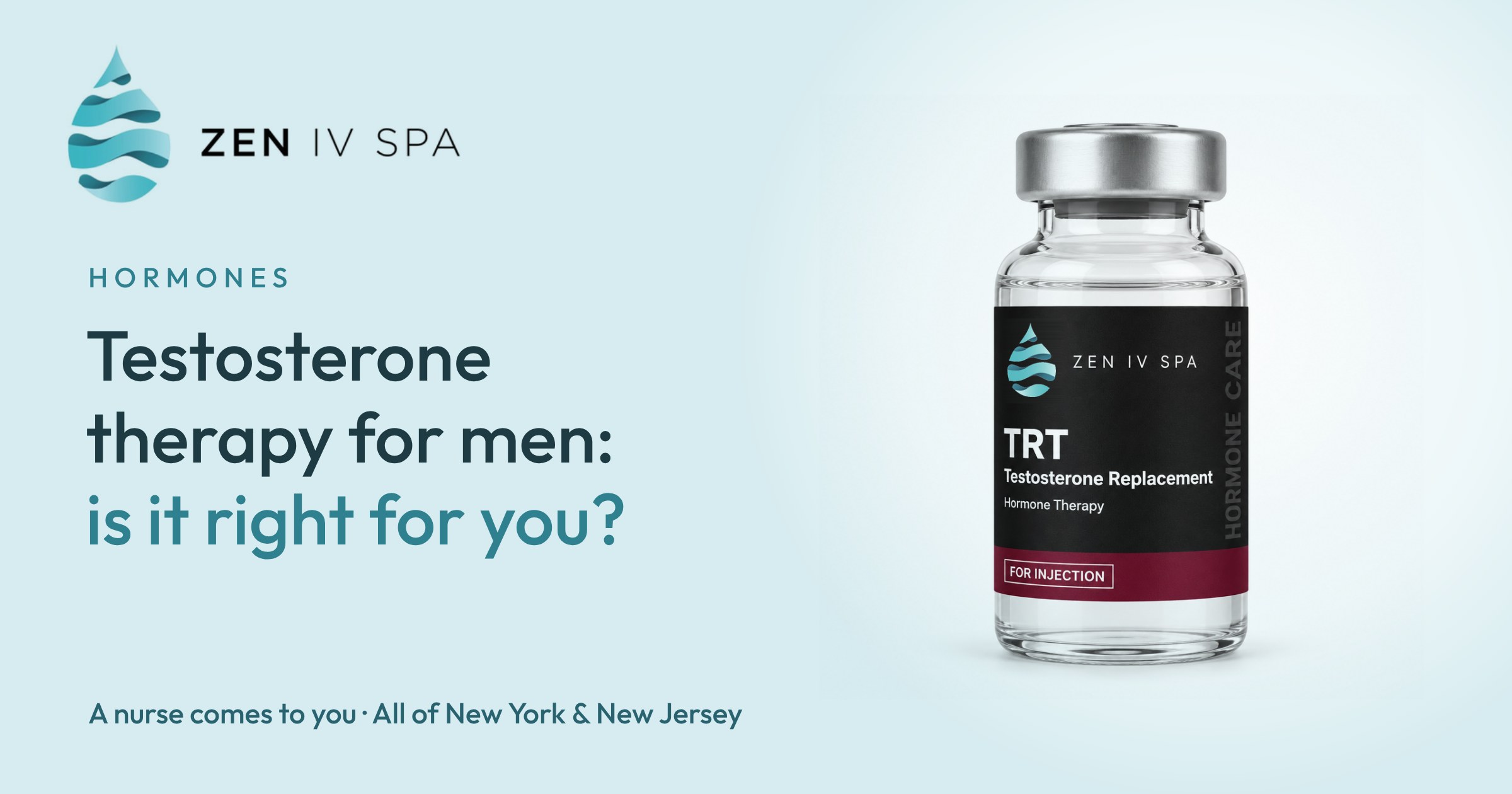
Testosterone replacement therapy (TRT) raises low testosterone caused by hypogonadism, a medical condition in which the sex glands produce very little hormone. Testosterone declines by about 1% a year from around age 30 to 40. When TRT is prescribed and monitored correctly, it restores testosterone levels. This guide explains what TRT is, what to expect, and how modern treatment has become more convenient without giving up medical oversight.
What is testosterone therapy?
TRT is a medical treatment that raises testosterone when the body can no longer make enough. It is prescribed for men whose low level has been confirmed by lab testing.
Testosterone falls naturally with age. Some men develop hypogonadism, in which the body cannot produce enough. It starts in one of two places:
- Primary hypogonadism starts in the testicles. The brain sends the signal to make hormone, and the testicles cannot respond.
- Secondary hypogonadism starts in the brain. The testicles are healthy, and the brain does not send the right signal.
TRT is recommended for men whose testosterone is below the normal range of about 300 to 1,000 ng/dL. Symptoms can still appear when results sit inside that range. A fall from 1,000 to 400 ng/dL is a large change, and it still reads as "normal". Because testosterone levels move up and down, a low level must be confirmed with two separate blood tests.
Signs you may have low testosterone
Symptoms vary from person to person. Common ones include:
- Low energy or constant fatigue
- Lower sex drive
- Erectile dysfunction
- Mood changes or irritability
- Depression
- Loss of muscle
- More body fat
- Trouble concentrating
- Hair loss
These overlap with other conditions, including stress, poor sleep, thyroid disorders and medication side effects. That is why proper testing is essential.
Testosterone therapy for low libido
A drop in sexual desire is one of the most common reasons men look into TRT. Testosterone therapy may improve desire and sexual function when low testosterone is the cause.
Low libido can also come from strained relationships, mental health, medications, poor sleep and chronic illness. A full medical evaluation should rule those out.
Benefits and risks
Benefits
- Better sexual desire and erectile function
- More energy
- Better mood
- More lean muscle
- Better bone density
- A better overall quality of life
Possible side effects
- A raised red blood cell count (polycythemia)
- Lower fertility
- Sleep apnea
- Acne
- Mild fluid retention
- Smaller testicles
Ongoing monitoring lets a provider catch side effects early. Some fade as the body adjusts.
On heart safety, the 2023 TRAVERSE trial studied 5,246 men aged 45 to 80 and found that testosterone therapy did not increase the risk of major cardiovascular events compared with placebo.
How testosterone is given
| Form | How it works | Notes |
|---|---|---|
| Injections | Given weekly or every two weeks | One of the most commonly prescribed methods |
| Gels and creams | Applied to the skin daily | No needles. Must be applied carefully so it does not transfer to women or children |
| Pellets | Rice-sized pellets placed under the skin | Release testosterone over three to six months |
| Buccal tablets | Placed on the upper gum | Release testosterone through the gum tissue |
| Nasal gel | Applied in the nostrils several times a day |
The choice depends on your preferences and medical needs.
How online testosterone therapy works
Modern online care combines the convenience of telehealth with evidence-based medicine. A complete program includes:
- An initial online consultation
- A review of your medical history and symptoms
- A blood draw at home for lab testing
- A prescription written for you
- Treatment taken at home
- Remote monitoring
Online care makes TRT easier to reach. It does not skip the medical evaluation. A proper program still requires two morning testosterone tests and regular monitoring throughout treatment.
What it costs
The cost of TRT depends on:
- The type of testosterone prescribed
- The amount needed
- Lab testing
- Follow-up visits
- Insurance coverage
- Pharmacy pricing
Many men pay anywhere from $40 to $1,000 a month out of pocket. With Zen IV Spa, monthly injections are $199.
Before starting, ask for a full breakdown of costs, including anything you will pay out of pocket.
Is TRT right for you?
It may be if you:
- Have symptoms of low testosterone
- Have a low morning testosterone level confirmed by testing
- Have been evaluated to rule out other causes
Be cautious, or avoid TRT, if you:
- Have prostate cancer or are at risk of it
- Have untreated sleep apnea
- Have polycythemia
- Want to preserve your fertility
Alternatives to TRT
TRT is not the answer for everyone. Depending on your symptoms, age and goals, a provider may recommend:
- Lifestyle changes. A healthy weight, regular exercise, better sleep, less stress and a balanced diet are all natural ways to raise testosterone.
- Enclomiphene. For men who want to preserve fertility, enclomiphene is an option because it stimulates the body's own testosterone production.
- Peptide therapies. Like enclomiphene, these support the body's natural hormone production.
What to expect from a TRT consultation
A consultation determines whether low testosterone is truly behind your symptoms and whether treatment is appropriate for your overall health. It typically includes:
- A detailed review of your medical history
- Two separate morning blood tests to confirm low testosterone
- A discussion of the benefits, the risks and the form of therapy that fits you
- A treatment and monitoring plan written for you
- Regular follow-up visits to track your progress
Testosterone therapy with Zen IV Spa
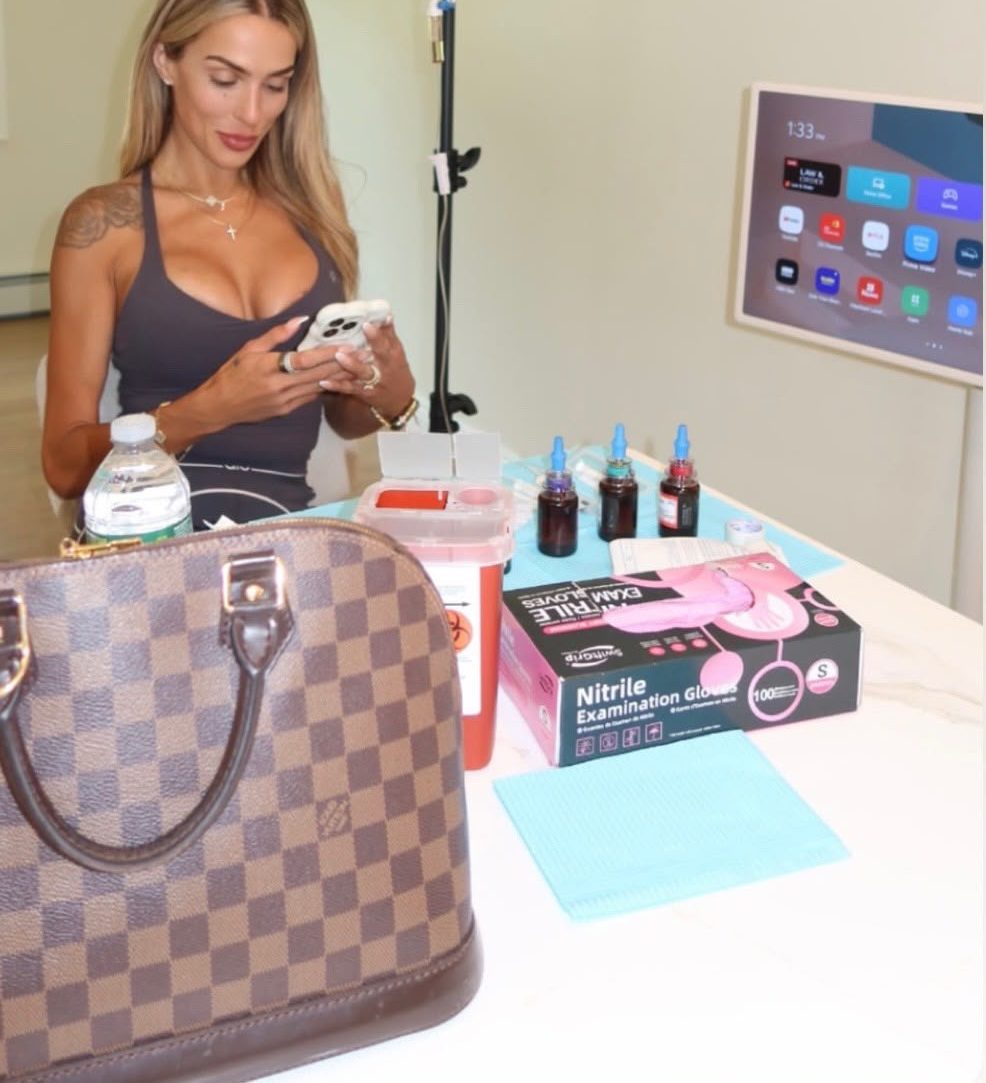
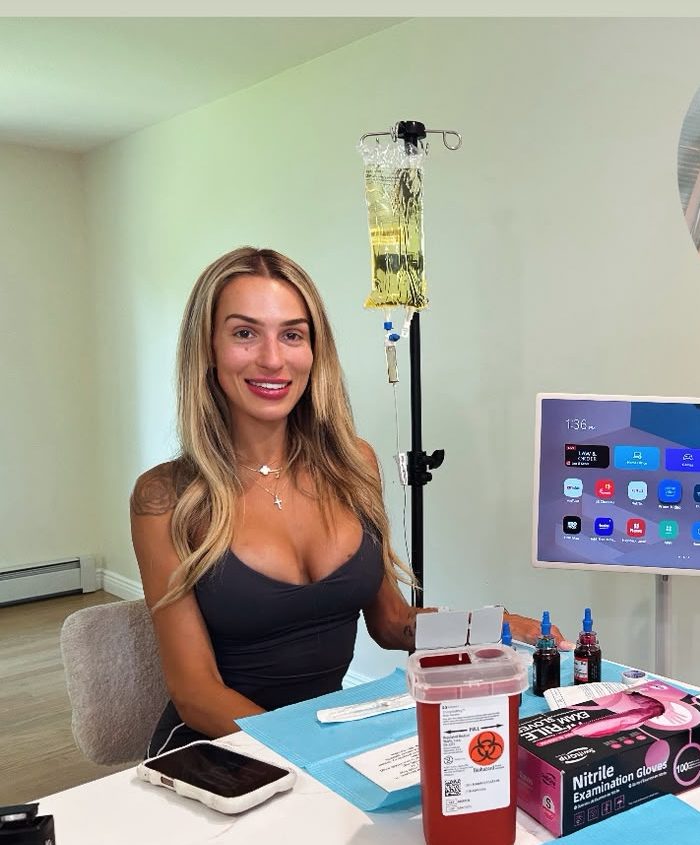
Our hormone care programs are physician-led. A licensed nurse comes to your home, office or hotel anywhere in New York & New Jersey for the morning blood draw. A licensed provider reviews your results, history and symptoms with you by video, and prescribes treatment if it is appropriate. Follow-up testing is built in. Our medical director oversees every treatment.
See Hormone Care. Related reading: Energy Reset: What Hormones Have to Do With Executive Fatigue.
Quick answers
What is TRT? A medical treatment that raises testosterone when the body no longer makes enough.
What is a normal testosterone level? About 300 to 1,000 ng/dL. Symptoms can still occur inside that range.
How is low testosterone confirmed? With two separate morning blood tests.
Is TRT safe for the heart? In the TRAVERSE trial of 5,246 men, it did not raise the risk of major cardiovascular events compared with placebo.
Does TRT affect fertility? Yes. It can lower fertility. Men who want children should ask about enclomiphene.
How much does TRT cost? Monthly injections with Zen IV Spa are $199. Elsewhere, men pay from $40 to $1,000 a month.
Can I do it all from home? Yes. The consultation is online, the blood draw is at home, and treatment and monitoring are done remotely.
Think it might be low testosterone? Start with a morning blood draw at home: zenivspa.com/hormone-care/.
Sources: Lincoff et al., New England Journal of Medicine 2023 (TRAVERSE: cardiovascular safety of testosterone-replacement therapy); Bhasin et al., Journal of Clinical Endocrinology & Metabolism 2018 (Testosterone Therapy in Men With Hypogonadism: Endocrine Society Clinical Practice Guideline); American Urological Association, Evaluation and Management of Testosterone Deficiency; Mayo Clinic, Male hypogonadism; Cleveland Clinic, Low Testosterone. Educational content, not medical advice.
Ready to book?
Call or text (332) 239-2005, or book online. A licensed nurse comes to you anywhere in all of New York & New Jersey, 8 AM to 11 PM, seven days a week.
All treatments are medical services. Every guest is screened, and every treatment is provided only under the clearance, prescription or standing protocol of a licensed medical provider. Compounded peptides are not FDA-approved unless stated. Nothing on this page is a diagnosis or a promise of results.