What retatrutide is
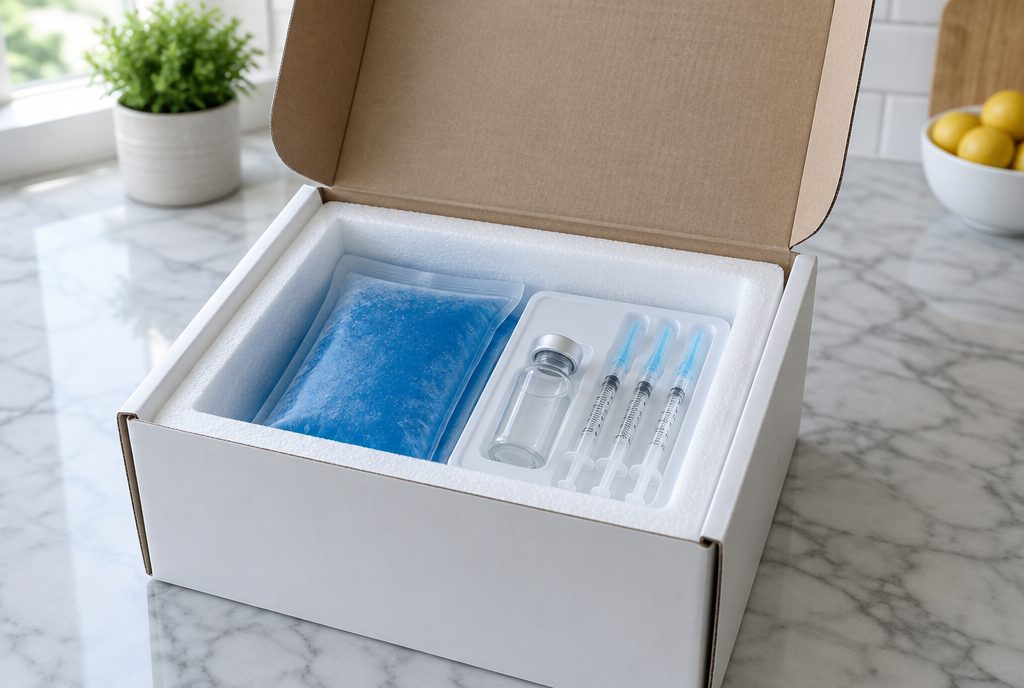
Retatrutide is an investigational medicine being developed by Eli Lilly, the same company that makes Zepbound and Mounjaro. It is given as a shot under the skin once a week.
People call it the 'triple G' drug because it acts on three hormone receptors: GLP-1, GIP, and glucagon. Semaglutide (Wegovy) hits one of these. Tirzepatide (Zepbound) hits two. Retatrutide hits all three.
As of today, retatrutide is not approved by the FDA for any use. It is still in Phase 3 clinical trials, which are the large final studies done before a company asks for approval.
Why three hormones instead of two
GLP-1 and GIP are gut hormones that curb appetite, slow digestion, and improve blood sugar. These are the same pathways that make semaglutide and tirzepatide work.
Glucagon is different. It is made in the pancreas and tells the liver to burn stored energy. Adding a glucagon signal may raise the body's energy use and help the liver shed fat. On its own, glucagon can raise blood sugar, but paired with GLP-1 and GIP that effect appears to be balanced out.
The idea is simple: attack appetite from one side and energy burning from the other. Whether that adds up to better long-term results is exactly what the Phase 3 trials are designed to answer.
What the Phase 2 trial found
The main evidence so far is a Phase 2 trial published in the New England Journal of Medicine in June 2023. It included 338 adults with obesity or overweight, without diabetes, followed for 48 weeks.
People on the highest dose, 12 mg weekly, lost about 24 percent of their body weight on average. The placebo group lost about 2 percent. That 24 percent is the largest average loss reported in any obesity drug trial at that length of time.
Notably, weight was still dropping at week 48, meaning the curve had not flattened. Smaller doses produced smaller results, with the 4 mg group losing around 17 percent.
Other possible benefits being studied
A separate Phase 2 study, published in The Lancet in 2023, tested retatrutide in people with type 2 diabetes. It lowered A1C (a three-month blood sugar average) by up to about 2 percentage points and produced substantial weight loss in that group too.
A smaller sub-study looked at liver fat using MRI scans. Most people on the higher doses saw their liver fat fall into the normal range, which hints at a possible role in fatty liver disease.
Lilly's Phase 3 program, called TRIUMPH, is also testing retatrutide for knee osteoarthritis pain, sleep apnea, and heart and kidney outcomes. None of these results are final yet.
Side effects and open questions
The side effects look similar to other GLP-1 medicines: nausea, diarrhea, vomiting, and constipation, mostly during dose increases. In the Phase 2 trial, more people on higher doses stopped because of stomach problems than on placebo.
Two things drew extra attention. Heart rate rose by a few beats per minute, more than with tirzepatide, and tended to settle later. Some people also had changes in skin sensation such as tingling. The company is tracking both carefully in Phase 3.
Because the drug is still experimental, there is no long-term safety data, no official dosing label, and no FDA review of its benefits versus risks. Faster, larger weight loss may also mean more muscle loss and loose skin, which is why protein intake and strength training matter.
Where Zen IV Spa stands
Zen IV Spa offers compounded retatrutide for $249 per month through our peptides program. We want to be direct about what that means: retatrutide is not FDA-approved, and compounded versions are prepared by a compounding pharmacy rather than tested in the FDA review process. It is a research-stage medicine, and our medical team only prescribes it after a free video visit, a full review of your history, and labs drawn at home by a nurse in New York or New Jersey.
For most people, the proven choices today are semaglutide ($199 per month) and tirzepatide ($299 per month), both compounded. Retatrutide is an option our team may discuss for adults who understand the uncertainty and want to explore it with close monitoring. Learn more about all three at /peptides/.
Common Questions
Is retatrutide FDA approved?+
No. It is in Phase 3 trials. Any version available now is compounded or research-grade and has not been reviewed by the FDA.
How much weight did people lose on retatrutide?+
In the 48-week Phase 2 trial, the 12 mg group lost about 24 percent of body weight on average. Phase 3 results are still pending.
How is it different from tirzepatide?+
Tirzepatide acts on GLP-1 and GIP. Retatrutide adds a third target, glucagon, which may boost the body's energy burning.
What are the main side effects?+
Nausea, vomiting, diarrhea, and constipation, plus a modest rise in heart rate and some reports of tingling sensations.
When might it be approved?+
Lilly's Phase 3 trials are expected to report over 2025 and 2026. Approval timing depends on those results and FDA review.
Does Zen IV Spa prescribe retatrutide?+
Yes, as a compounded, non-FDA-approved option at $249 per month, only after a medical evaluation and labs.
Sources: Jastreboff et al., retatrutide Phase 2 obesity trial, NEJM 2023; Rosenstock et al., retatrutide Phase 2 type 2 diabetes trial, The Lancet 2023; ClinicalTrials.gov TRIUMPH Phase 3 program listings.
All treatments are medical services. Every guest is screened, and every treatment is prescribed by a licensed provider. Nothing on this page is medical advice for you personally, and the opinions summarized here belong to the doctors named, not to Zen IV Spa. Talk to a provider before starting or stopping anything.