What resveratrol is
Resveratrol is a natural chemical made by plants when they are under stress. Grape skins, red wine, peanuts, blueberries, and Japanese knotweed all contain it. Plants use it to fight fungus and sun damage.
It became famous in the early 2000s. Researchers found it switched on a gene called SIRT1 in yeast and worms, and those organisms lived longer. Later, mice on a high-fat diet lived longer and stayed healthier when given resveratrol. Headlines called it the red wine miracle. Supplement sales took off.
The red wine story
The idea came from the French paradox. People in France eat a lot of saturated fat but have fewer heart attacks than expected. Red wine got the credit, and resveratrol got the credit for red wine.
The problem is dose. A glass of red wine holds about 1 to 2 milligrams of resveratrol. The mouse studies used the human equivalent of hundreds of milligrams a day. You would need to drink many bottles to match it, and the alcohol would cancel any benefit long before that.
What human trials show
Human research is mixed. Some small trials in people with type 2 diabetes found modest drops in blood sugar and blood pressure. A 2020 meta-analysis of randomized trials found a small improvement in fasting glucose but no clear change in cholesterol.
Other trials found nothing. A 2014 study in JAMA Internal Medicine followed nearly 800 older adults in Italy and measured resveratrol from their diet. Higher levels did not predict longer life, less heart disease, or less cancer. A trial in healthy women found resveratrol did not improve insulin sensitivity.
The biggest issue is absorption. The gut and liver break down resveratrol fast. Very little reaches the bloodstream in active form. Newer formulas try to fix that, but the clinical trials on them are small.
Where it fits in the longevity conversation
Resveratrol was an early star of the aging field. Today most researchers see it as a lead that did not pan out as hoped. Interest has shifted to related areas, including NAD+, which feeds the same sirtuin enzymes resveratrol was thought to activate.
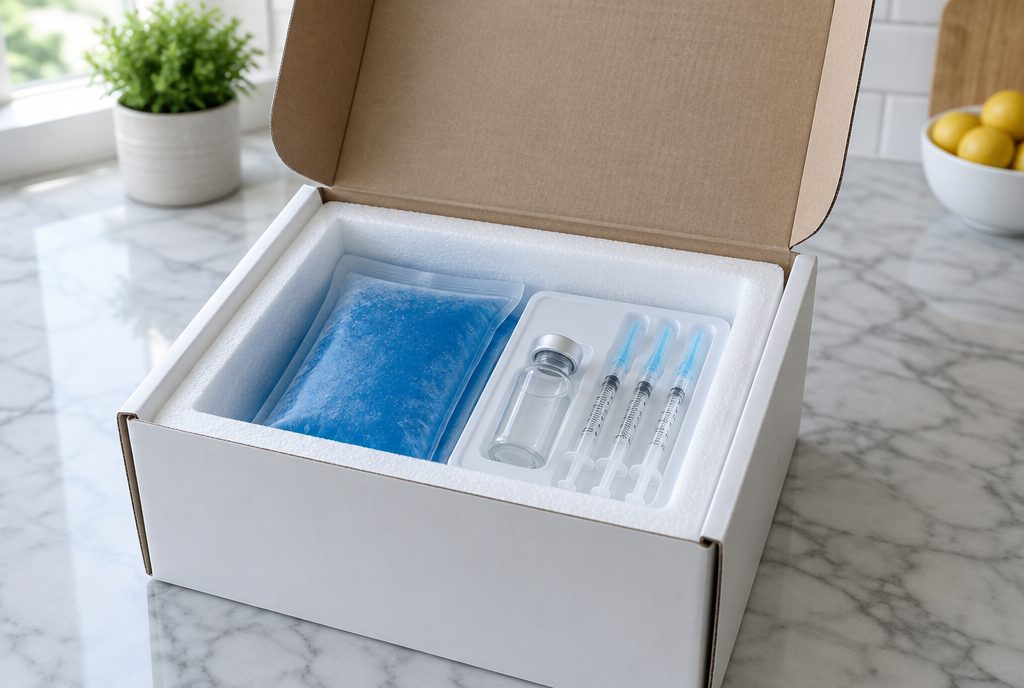
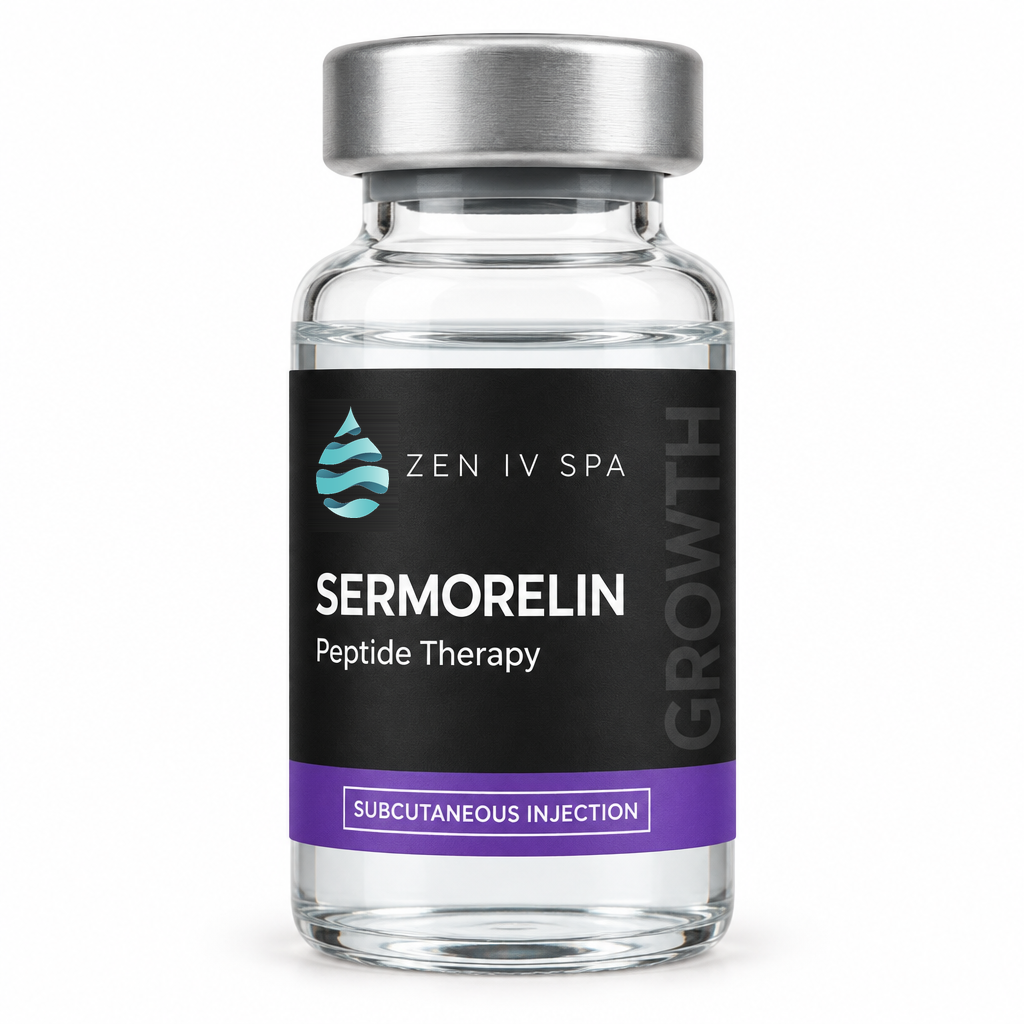
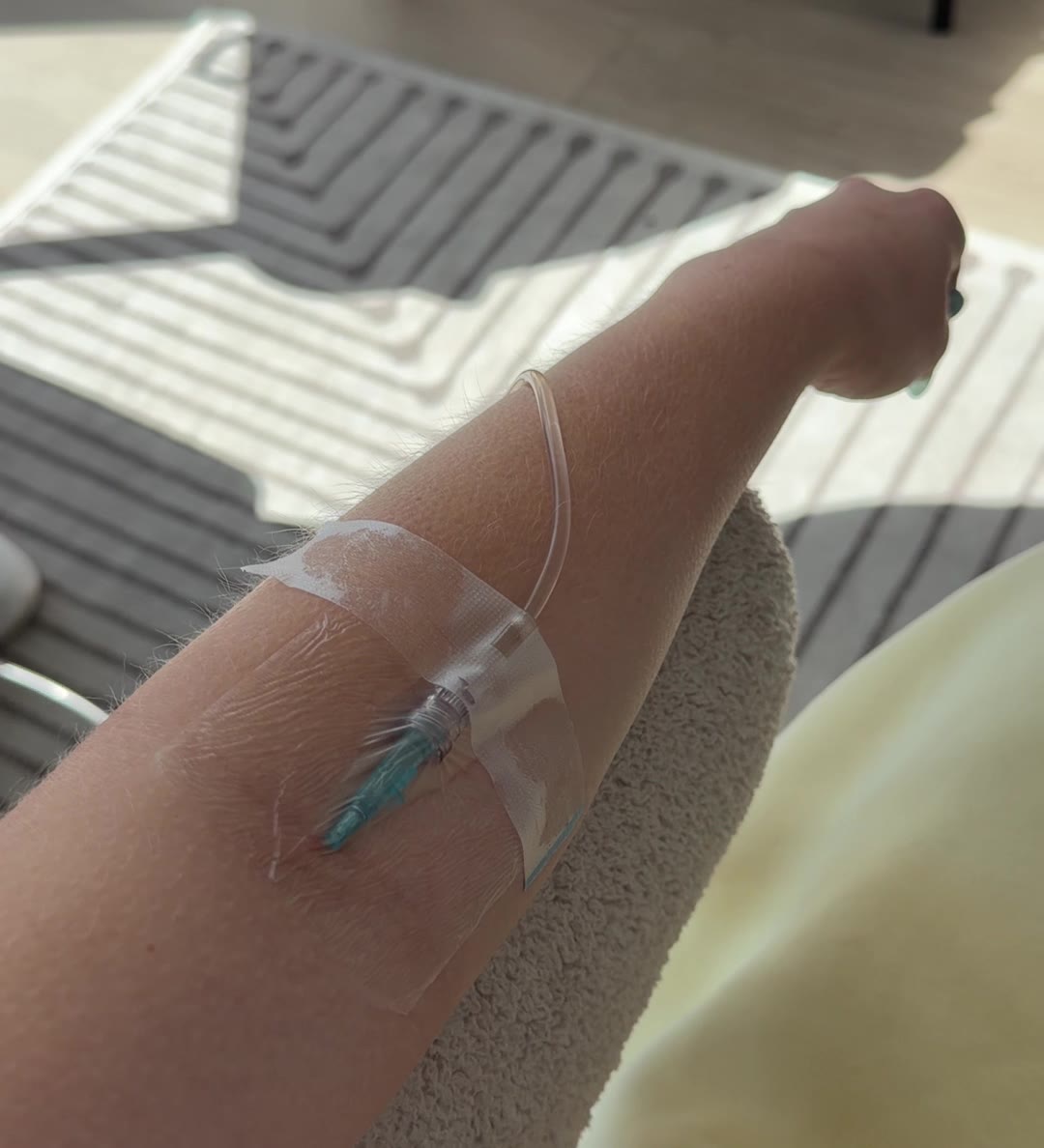
NAD+ has more direct human data showing levels can be raised. Zen IV Spa offers NAD+ IVs from $399, an NAD+ shot for $175, and a self-injection program shipped to your home after a video visit. These are wellness services, not FDA-approved treatments for aging, and nobody has proven that either resveratrol or NAD+ extends human life.
Safety and side effects
Resveratrol is safe at typical supplement doses of 150 to 500 milligrams. Doses above 1,000 milligrams a day have caused nausea, diarrhea, and stomach pain in trials. It can thin the blood slightly, so people on warfarin, aspirin, or other blood thinners should talk to a doctor. It may also interact with some drugs processed by the liver.
Supplements are not tested by the FDA before sale. Pick a brand with third-party testing so you get the dose on the label.
Should you take it?
If you enjoy a glass of red wine, enjoy it, but do not count it as medicine. If you want to try a resveratrol supplement, it is low risk and low cost, but keep your expectations modest. The strongest evidence for a longer, healthier life still comes from exercise, sleep, not smoking, and a diet heavy in plants.
Where to go next
If you are interested in the cellular energy side of longevity, visit /nad/ to learn about NAD+ options at Zen IV Spa in New York and New Jersey. Call (332) 239-2005 or book a free video visit.
Common Questions
Does resveratrol make you live longer?+
In yeast, worms, and some mice, yes. In humans, no study has shown this. A large Italian study found no link between resveratrol intake and lifespan.
How much resveratrol is in red wine?+
About 1 to 2 milligrams per glass. Supplements usually contain 100 to 500 milligrams, far more than any amount of wine could provide safely.
Is resveratrol good for the heart?+
Small trials show minor improvements in blood pressure and blood sugar in some groups. It is not a proven heart treatment.
Can I take resveratrol with blood thinners?+
Ask your doctor first. Resveratrol has a mild blood-thinning effect that could add to your medication.
Is resveratrol the same as NAD+?+
No. Resveratrol is thought to activate sirtuin enzymes. NAD+ is the fuel those enzymes need. They are related but different.
Sources: Semba et al., JAMA Internal Medicine 2014 (resveratrol levels and mortality in older adults); meta-analysis of resveratrol trials in diabetes (Nutrients 2020); NIH National Center for Complementary and Integrative Health summary on resveratrol; Baur et al., Nature 2006 (resveratrol in mice).
All treatments are medical services. Every guest is screened, and every treatment is prescribed by a licensed provider. Nothing on this page is medical advice for you personally, and the opinions summarized here belong to the doctors named, not to Zen IV Spa. Talk to a provider before starting or stopping anything.