First, what Ozempic is
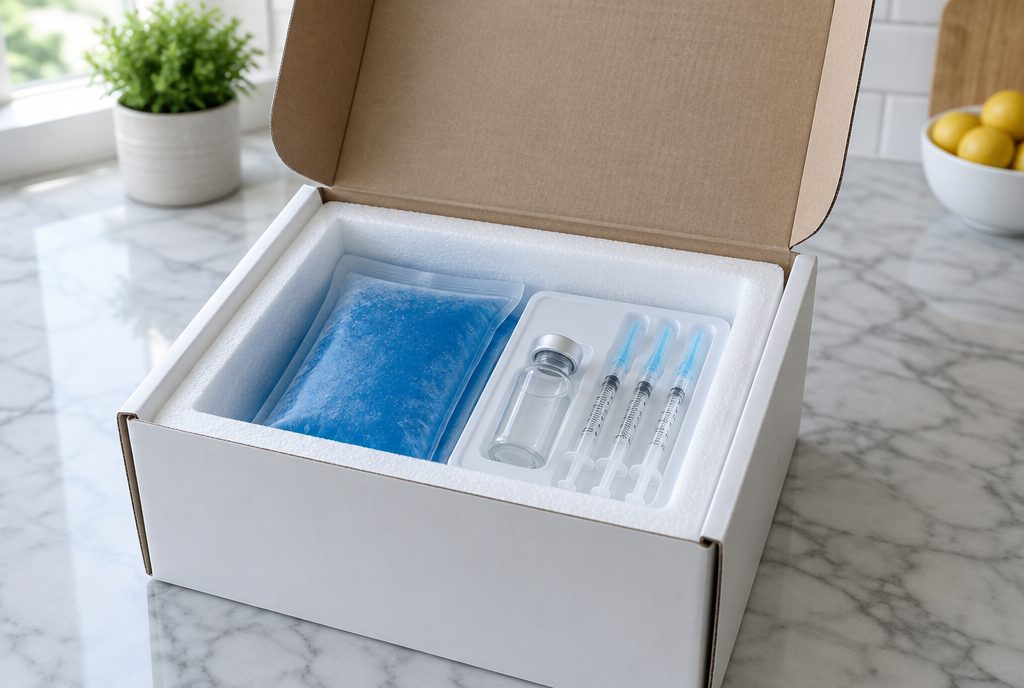
Ozempic is a weekly injection made by Novo Nordisk. It is FDA-approved for type 2 diabetes. Its active ingredient, semaglutide, is the same one found in Wegovy, which is approved for weight loss. Many people use the two names to mean the same thing.
Semaglutide copies a gut hormone called GLP-1. It lowers appetite, slows the stomach, and helps the body manage blood sugar. The side effects are mostly tied to that slow stomach.
Side effects everyone can get
The most common side effects for both men and women are nausea, vomiting, diarrhea, constipation, and belly pain. In the trials, nausea affected roughly 1 in 5 people and was usually mild. Fatigue, headache, and dizziness are also reported.
Rare but serious risks include pancreatitis (inflamed pancreas), gallbladder problems, and a possible thyroid tumor risk seen in animal studies. People with a personal or family history of medullary thyroid cancer should not take it.
Why women may feel stomach effects more
When researchers looked back at the trial data, women reported nausea and vomiting more often than men. There are a few likely reasons. Women on average have smaller body size, so the same dose is more medicine per pound. Women also tend to have slower stomach emptying to begin with, and hormones may play a role.
This does not mean women should avoid the drug. It means a slower dose ramp and smaller meals are even more useful. Tell your prescriber if nausea is getting in the way so the schedule can be adjusted.
Birth control pills and pregnancy
This is the biggest difference for women. Semaglutide slows the stomach, so some medicines taken by mouth may not be absorbed the same way. The FDA label advises caution with oral drugs that need a steady blood level. Birth control pills are a common concern, and some clinicians recommend a backup method, like condoms, especially around dose changes.
For the related drug tirzepatide (Mounjaro and Zepbound), the label specifically says to use backup birth control for four weeks after starting and after each dose increase.
Semaglutide should be stopped at least two months before trying to get pregnant. It has not been studied in pregnancy, and animal studies showed harm. If you find out you are pregnant while taking it, stop and call your clinician. It also should not be used while breastfeeding, since we do not know whether it passes into milk.
Periods, fertility, and PCOS
Some women notice their periods change after starting semaglutide. Most of this comes from weight loss itself, not the drug. Losing even 5 to 10 percent of body weight can make cycles more regular in women with polycystic ovary syndrome (PCOS), a hormone condition that can make periods irregular and weight loss hard.
More regular cycles can mean higher fertility. Women who do not want to get pregnant should treat this as a real possibility, which brings us back to using reliable birth control.
Hair thinning and skin changes
Hair shedding a few months into fast weight loss is common in women. It is called telogen effluvium. The body treats rapid weight loss as a stress and pushes more hairs into the resting phase. It usually grows back once weight stabilizes, and eating enough protein and iron helps.
Loose or thin-looking facial skin, sometimes called Ozempic face, is also a weight-loss effect rather than a drug effect. Slower weight loss, strength training, and good skin care reduce it.
How Zen IV Spa supports women on GLP-1 care
Zen IV Spa prescribes compounded semaglutide for $199 per month and compounded tirzepatide for $299 per month. Compounded medicines are made by a licensed pharmacy for a specific patient and are not FDA-approved. Our medical director reviews your health history, your medicines, and your pregnancy plans in a free video visit before anything is prescribed.
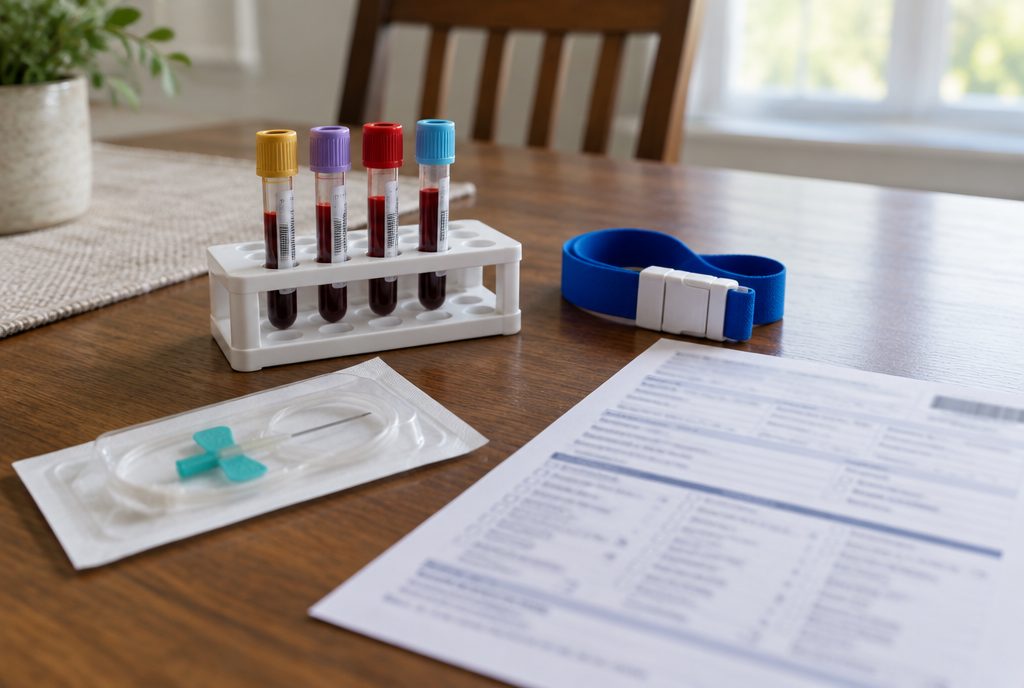
A nurse draws labs at your home in New York and New Jersey, including hormone and thyroid tests when they make sense. If hair thinning becomes a problem, our hair-loss program starts at $49 per month. Start at /weight-loss/ or call (332) 239-2005.
Common Questions
Do women get more side effects from Ozempic than men?+
Trial data suggests women report nausea and vomiting somewhat more often. A slower dose ramp usually fixes it.
Does Ozempic affect birth control pills?+
It can slow absorption of oral medicines. Many clinicians advise a backup method, especially around dose increases. For tirzepatide, the label says to use backup for four weeks after starting and after each dose change.
Can I take Ozempic while pregnant?+
No. Stop at least two months before trying to conceive. If you become pregnant while taking it, stop and call your clinician.
Will Ozempic help with PCOS?+
It is not approved for PCOS, but weight loss of 5 to 10 percent often makes cycles more regular and improves insulin resistance.
Why is my hair falling out on Ozempic?+
Rapid weight loss can trigger temporary shedding called telogen effluvium. It usually regrows once weight stabilizes.
Does Zen IV Spa prescribe brand Ozempic?+
We prescribe compounded semaglutide, which contains the same active ingredient but is made by a compounding pharmacy and is not FDA-approved.
Sources: FDA prescribing information for Ozempic and Wegovy (semaglutide), 2024; FDA prescribing information for Zepbound (tirzepatide), 2024; STEP 1 trial, NEJM 2021; Mayo Clinic guidance on PCOS and telogen effluvium.
All treatments are medical services. Every guest is screened, and every treatment is prescribed by a licensed provider. Nothing on this page is medical advice for you personally, and the opinions summarized here belong to the doctors named, not to Zen IV Spa. Talk to a provider before starting or stopping anything.