What a nootropic is
Nootropic is a broad word for anything taken to improve memory, focus, or mental energy. The list includes everyday items like coffee, prescription drugs, and dozens of supplements sold online. There is no official definition, so sellers use the word freely.
The key question for any nootropic is whether it has been tested in people. Many have only been tested in cells or in mice. Others have small human trials with mixed results. A few have strong evidence. Knowing which is which saves money and avoids risk.
Nootropics with good evidence
Caffeine is the most studied nootropic in the world. It improves alertness and reaction time, and the effect is reliable. L-theanine, an amino acid found in tea, is often paired with caffeine. Several small trials show the combination gives focus with less jitter than caffeine alone.
Creatine is known as a gym supplement, but a 2023 review of randomized trials found small improvements in memory, especially in people who eat little meat and in older adults. Omega-3 fats from fish support brain health over the long term, though they do not sharpen thinking in a single dose.
Sleep, exercise, and a diet low in sugar beat every supplement on this list. That sounds boring, but the research is clear. A tired brain cannot be fixed by a capsule.
Nootropics with weak or mixed evidence
Ginkgo biloba was once popular for memory. The largest trial, with more than 3,000 older adults, found it did not prevent memory decline. Bacopa monnieri, an herb from Indian medicine, has a few small trials showing slight memory gains after several weeks, but the studies are not strong.
Racetams, such as piracetam, are sold online as cognitive enhancers. They are not approved in the United States, and good human trials in healthy people are lacking. Many stacked products combine a dozen ingredients in doses too small to matter.
Prescription stimulants are not nootropics for healthy people
Drugs like modafinil, Adderall, and Ritalin are sometimes called nootropics. They are approved for conditions such as ADHD and narcolepsy. In healthy people without those conditions, studies show they raise confidence more than performance. They also carry real risks, including heart strain, dependence, and sleep loss.
Using someone else's prescription is illegal and unsafe. If you suspect ADHD, a proper evaluation is the right path.
Vitamins and nutrients that affect thinking
A brain that is short on vitamin B12, iron, vitamin D, or thyroid hormone works poorly. Fixing a true deficiency can feel like a nootropic effect, because fog and fatigue lift. This is one reason labs matter before buying supplements. Zen IV Spa can send a nurse to draw blood at your home in New York and New Jersey.
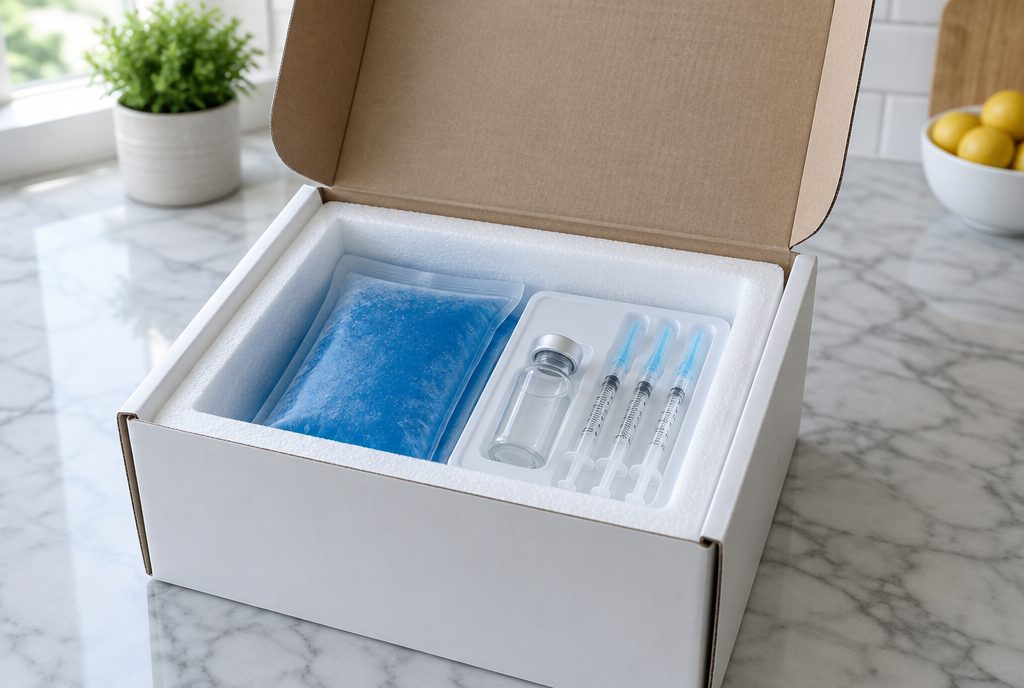
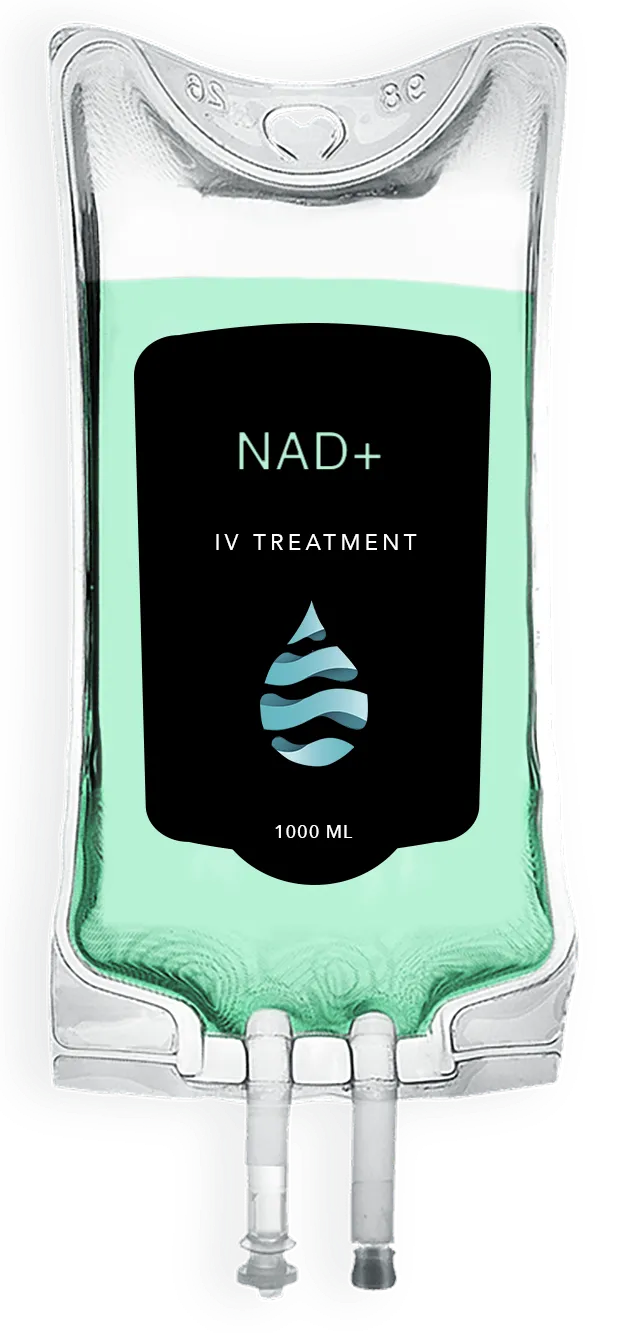
NAD+ is a molecule every cell uses to make energy. Levels fall with age. Some people report clearer thinking after NAD+ infusions, but the human research on cognition is still early and small. Zen IV offers an NAD+ IV from $399, an NAD+ shot for $175, and a shipped self-injection program. These are wellness services, not treatments for any disease.
The Myers' cocktail is an IV blend of B vitamins, vitamin C, and magnesium. It is $299 at Zen IV, with a Mega Myers' at $399. People use it for energy and recovery. It is not a proven cognitive enhancer, but it does correct low levels of these vitamins quickly.
How to try a nootropic safely
Start with one thing at a time so you know what is doing what. Buy from a company that tests its products with a third-party lab. Check for interactions with any medication you take. Ask a doctor before adding anything if you are pregnant, have a heart condition, or take blood thinners.
Give it a fair trial of a few weeks, then be honest about whether it helped. If you cannot tell, it probably did not.
Where to start with Zen IV Spa
If you want to rule out a nutrient gap before spending on supplements, or try NAD+ with a nurse present, visit /nad/ to see the options. Call (332) 239-2005 or book at zenivspa.zenoti.com to set up a home visit.
Common Questions
Are nootropics safe?+
Caffeine, L-theanine, creatine, and omega-3s are safe for most adults at normal doses. Unregulated stacks and prescription stimulants carry more risk. Always check interactions with your medications.
Do nootropics work right away?+
Caffeine works within an hour. Creatine, omega-3s, and bacopa take weeks. Anything promising instant genius is overpromising.
Is NAD+ a nootropic?+
Some people use it that way, and small studies show it raises cell energy markers. Good trials on memory and focus in healthy adults are still lacking.
Can I get nootropics by prescription?+
Stimulants are prescribed only for diagnosed conditions like ADHD. A doctor will not prescribe them for general focus in a healthy person.
What is the best nootropic for beginners?+
Caffeine with L-theanine is cheap, well studied, and easy to stop. Fixing sleep and checking labs for deficiencies is an even better first step.
Sources: Ginkgo Evaluation of Memory study, JAMA 2008; meta-analysis of creatine and cognition, Nutrition Reviews 2023; randomized trials of caffeine with L-theanine (Nutritional Neuroscience); NIH Office of Dietary Supplements fact sheets.
All treatments are medical services. Every guest is screened, and every treatment is prescribed by a licensed provider. Nothing on this page is medical advice for you personally, and the opinions summarized here belong to the doctors named, not to Zen IV Spa. Talk to a provider before starting or stopping anything.