What niacin is
Niacin is another name for vitamin B3. It comes in two main forms in food and supplements: nicotinic acid and nicotinamide (also called niacinamide). Both count as niacin. Your body can also make a little niacin from tryptophan, an amino acid found in protein foods.
Niacin's main job is to build a molecule called NAD+. NAD+ stands for nicotinamide adenine dinucleotide. Every cell in your body uses NAD+ to turn food into energy, repair DNA, and keep cells working. Without niacin, there is no NAD+.
How much you need
The National Institutes of Health (NIH) recommends 16 milligrams a day for adult men and 14 mg for adult women. Pregnant women need 18 mg and breastfeeding women 17 mg. These amounts are measured in niacin equivalents, which count both niacin itself and the niacin your body makes from tryptophan.
The safe upper limit for adults is 35 mg a day from supplements and fortified foods. Niacin from regular food does not count toward that limit.
Where it comes from
Niacin is easy to get. Chicken, turkey, beef, salmon, tuna, and peanuts are all rich sources. Brown rice, whole grains, and fortified breads and cereals add more. Since the 1940s, most flour in the U.S. has had niacin added to it, which nearly wiped out deficiency.
Severe niacin deficiency is called pellagra. It causes the three Ds: dermatitis (a dark, scaly rash on sun-exposed skin), diarrhea, and dementia. It is now rare in the U.S. but still seen in people with alcohol use disorder, certain gut conditions, or very limited diets.
The niacin flush
If you take nicotinic acid in doses above about 30 to 50 mg, you may feel your face and chest turn red, warm, and itchy. This is the niacin flush. It happens because nicotinic acid opens up small blood vessels near the skin. It is harmless but uncomfortable, and it usually passes within an hour.
Nicotinamide, the other form, does not cause flushing. That is why it is often used in multivitamins and skin products. Taking niacin with food or using extended-release forms can also reduce the flush.
Niacin and cholesterol: what the trials found
For decades, doctors used high-dose prescription niacin (1,000 to 3,000 mg a day) to raise HDL, the good cholesterol, and lower triglycerides. Then two large randomized trials tested whether adding niacin to a statin actually prevented heart attacks and strokes.
The AIM-HIGH trial, published in the New England Journal of Medicine in 2011, found no benefit. The HPS2-THRIVE trial, published in the same journal in 2014 with more than 25,000 people, also found no benefit and saw more side effects, including bleeding, infections, and new diabetes. Because of these results, niacin is rarely used for cholesterol today. High doses can also stress the liver and raise blood sugar, so they should only be taken under a clinician's care.
Niacin and NAD+ therapy
Because niacin is a building block for NAD+, people ask whether niacin pills can raise NAD+ levels. Research shows they can, to some degree. A small 2020 study in people with a rare mitochondrial muscle disease found that niacin supplements raised blood NAD+ levels. Whether that translates into benefits for healthy adults is still being studied.
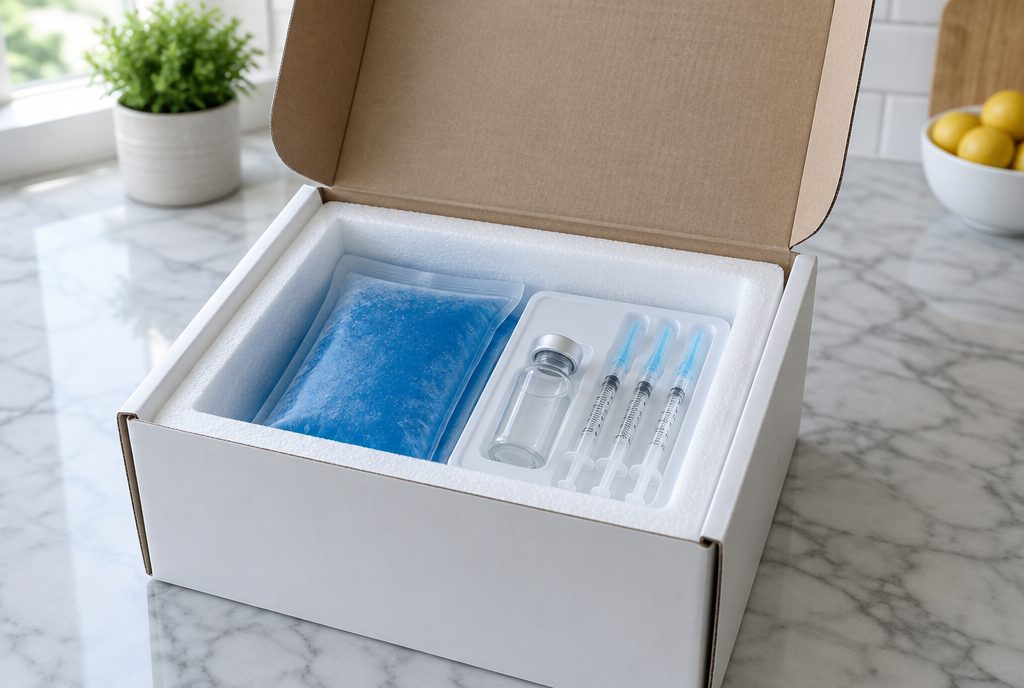
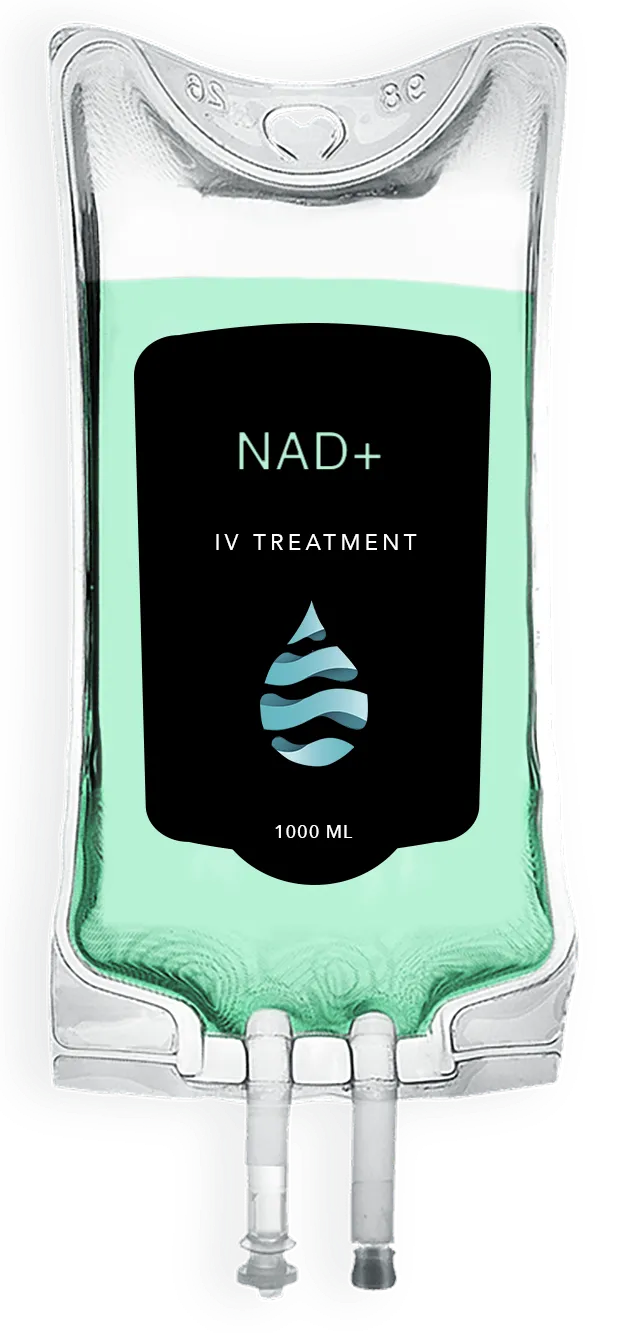
NAD+ therapy takes a more direct route. Instead of giving your body the raw material, it gives the finished molecule. NAD+ can be given by IV drip or injection. Zen IV Spa offers NAD+ IV from $399, an NAD+ shot for $175, and an NAD+ self-injection program that ships to your home. These are popular for energy, focus, and recovery. The science on NAD+ therapy in healthy people is still early, and no one should expect guaranteed results. A licensed clinician can explain what is known and what is not.
How Zen IV Spa can help
If you are curious about NAD+, Zen IV Spa can walk you through the options on a free video visit. A nurse can give an NAD+ IV or shot at your home in New York or New Jersey, or the self-injection program can be shipped to you after a clinician approves it. Learn more at zenivspa.com/nad/ or call (332) 239-2005.
Common Questions
Is niacin the same as NAD+?+
No. Niacin is vitamin B3. Your body uses it to build NAD+, which is the molecule your cells actually use for energy.
Why does niacin make me flush?+
Nicotinic acid widens small blood vessels in the skin, causing redness, warmth, and itching. It is harmless and passes in about an hour. Nicotinamide does not cause it.
Should I take niacin for cholesterol?+
Large trials found that adding niacin to a statin did not prevent heart attacks or strokes and caused more side effects. Most clinicians no longer recommend it for this.
How much niacin is safe?+
The safe upper limit from supplements is 35 mg a day for adults. Higher doses should only be taken under medical supervision.
Can niacin raise my NAD+ levels?+
Studies show it can raise NAD+ somewhat. NAD+ IV or injections deliver the finished molecule directly. Evidence for benefits in healthy adults is still early.
Sources: NIH Office of Dietary Supplements, Niacin Fact Sheet for Health Professionals; AIM-HIGH trial (NEJM 2011); HPS2-THRIVE trial (NEJM 2014); Pirinen et al., Cell Metabolism 2020 (niacin and NAD+ in mitochondrial myopathy).
All treatments are medical services. Every guest is screened, and every treatment is prescribed by a licensed provider. Nothing on this page is medical advice for you personally, and the opinions summarized here belong to the doctors named, not to Zen IV Spa. Talk to a provider before starting or stopping anything.