What dandruff actually is
Dandruff is a mild form of seborrheic dermatitis. Your scalp sheds skin cells faster than normal, and the cells clump into visible white or yellow flakes. The scalp is often itchy and a little oily, not dry.
The main culprit is a yeast called Malassezia that lives on everyone's scalp. In some people it grows more and irritates the skin. Oil, stress, cold dry weather and not washing often enough all make it worse.
Dandruff vs. dry scalp vs. other problems
Dry scalp makes small, white, dry flakes and often comes with dry skin elsewhere. The fix is washing less often and using a gentle moisturizing shampoo.
Dandruff makes larger, oily, yellowish flakes and an itchy, greasy scalp. The fix is an anti-dandruff shampoo.
Scalp psoriasis makes thick, silvery, raised patches that may extend past the hairline. Ringworm causes round, scaly bald patches and is contagious. Both need a clinician.
The ingredients that work
Zinc pyrithione. Slows the yeast and reduces flaking. Found in many everyday dandruff shampoos. Good first choice.
Ketoconazole. An antifungal that directly kills the yeast. The 1 percent strength is over the counter. The 2 percent strength is prescription and is one of the most effective options.
Selenium sulfide. Slows skin cell turnover and controls yeast. Can discolor light hair if left on too long.
Salicylic acid. Loosens and lifts thick flakes so other ingredients can reach the scalp. Works best paired with an antifungal.
Coal tar. Slows how fast skin cells grow. Effective but has a strong smell and can stain.
For stubborn cases, a clinician may prescribe a short course of a steroid scalp solution to calm inflammation and itching while the antifungal shampoo does its work. This is not a long-term treatment, but it can break the cycle of scratching that keeps the scalp irritated.
How to use them so they actually work
Most people use dandruff shampoo wrong. They lather, rinse right away and wonder why it did not help. The ingredients need time. Work the shampoo into the scalp, not just the hair, and leave it on for five minutes before rinsing.
Use it two to three times a week at first. Once flakes are under control, drop to once a week to keep them away. Dandruff tends to come back if you stop entirely.
If one ingredient stops working after a few months, switch to a different one. Rotating between zinc pyrithione and ketoconazole is a common approach.
Between washes, avoid heavy styling products, oils and pomades. They build up on the scalp and feed the yeast. Rinse well after workouts too, since sweat and oil sitting on the scalp overnight make flaking worse.
Does dandruff cause hair loss?
Dandruff itself does not make hair fall out. But a scalp that is inflamed and scratched constantly can shed more, and some studies suggest heavy Malassezia growth may add to inflammation around follicles in people who already have pattern hair loss.
If you have both flakes and thinning, treating the dandruff is step one. It makes the scalp healthier and makes topical hair treatments like minoxidil less likely to sting.
When to see a clinician and how Zen IV Spa can help
If four to six weeks of a proper over-the-counter routine has not helped, the flakes are thick and crusted, or you have thinning along with the flaking, it is time to get it looked at. Prescription ketoconazole, steroid scalp solutions and other treatments can clear stubborn cases.
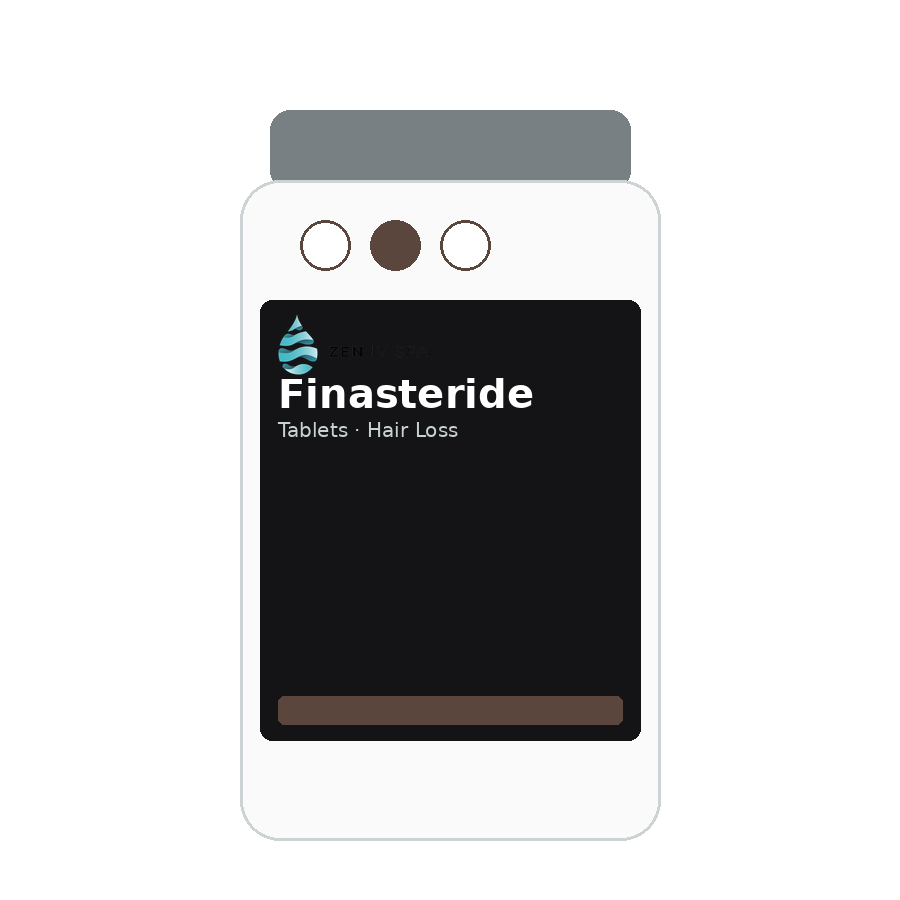
Zen IV Spa can help with both the scalp and the hair. A free video visit with our medical director comes first. If thinning is part of the picture, options include finasteride for $49 a month, oral minoxidil for $59, a topical spray for $69, or the full program for $149, shipped to you in New York and New Jersey. Visit /hair-loss/ to get started.
Common Questions
Is dandruff caused by poor hygiene?+
No. It is caused by a yeast reaction and oil, not dirt. Washing more often can help, but it is not a sign you are unclean.
Can I wash my hair every day with dandruff shampoo?+
You can, but it may dry out the hair. Most people do best using it two to three times a week and a regular shampoo in between.
Is dandruff contagious?+
No. Everyone has the yeast involved. Dandruff just means your scalp reacts to it more.
Why does my dandruff get worse in winter?+
Cold dry air and indoor heating dry out the scalp, and people tend to wash less. Both make flaking worse.
Does coconut oil cure dandruff?+
No. Oils can soften flakes, but they also feed the yeast. An antifungal shampoo works better.
Can dandruff shampoo be used on the beard?+
Yes. Beard dandruff is the same condition, and the same ingredients work. Avoid getting it in your eyes.
Sources: American Academy of Dermatology guidance on seborrheic dermatitis and dandruff; FDA Drug Facts labeling for ketoconazole 1 percent shampoo; Borda and Wikramanayake, Journal of Clinical and Investigative Dermatology, 2015 review of seborrheic dermatitis and dandruff.
All treatments are medical services. Every guest is screened, and every treatment is prescribed by a licensed provider. Nothing on this page is medical advice for you personally, and the opinions summarized here belong to the doctors named, not to Zen IV Spa. Talk to a provider before starting or stopping anything.