What zinc does in the body
Zinc is a mineral you need in small amounts. It helps with immune function, wound healing, taste and smell, and making proteins and DNA. It also plays a role in the enzymes that build hormones, including testosterone.
Adult men need about 11 milligrams a day. Oysters, beef, crab, pumpkin seeds, beans and fortified cereals are good sources. Most men in the United States get enough from food. The people most likely to run low are vegetarians, people with gut conditions that limit absorption, heavy drinkers and some older adults.
Where the testosterone claim comes from
The best-known study was published in the journal Nutrition in 1996. Researchers put a small group of healthy young men on a low-zinc diet for several months. Their testosterone dropped sharply. They then gave zinc supplements to a group of older men who were mildly zinc-deficient, and their testosterone roughly doubled over six months.
That study is real, but it is small and it is about deficiency. It shows that running low on zinc lowers testosterone and that fixing the shortage brings it back. It does not show that extra zinc pushes normal levels higher.
What happens if your zinc is already normal
Studies in men with normal zinc levels do not show a meaningful testosterone boost from supplements. A few small trials in athletes found no change or only tiny changes that would not affect how you feel.
Think of zinc like fuel in a car. If the tank is empty, adding fuel gets the car moving. If the tank is full, adding more does nothing except spill over. Most men have a full tank.
There is one more nuance. Zinc does seem to protect against the drop in testosterone that can happen after very hard exercise in people who are low. That is still a story about preventing a loss, not creating a gain. For a man with normal zinc and a normal training load, it does not apply.
The risks of taking too much
The safe upper limit for adults is 40 milligrams a day from all sources. Many testosterone booster products contain 30 to 50 milligrams, and some people stack them with a multivitamin.
Taking too much zinc for weeks or months blocks copper absorption. Low copper causes anemia, nerve problems and weakness. High zinc doses also cause nausea and can lower good cholesterol. More is not better here.
How to know if low testosterone is really the issue
Low energy, low sex drive, trouble building muscle and poor mood can all be signs of low testosterone. They can also be signs of poor sleep, stress, thyroid problems, depression or being overweight. The only way to know is a blood test, ideally drawn in the morning when levels are highest.
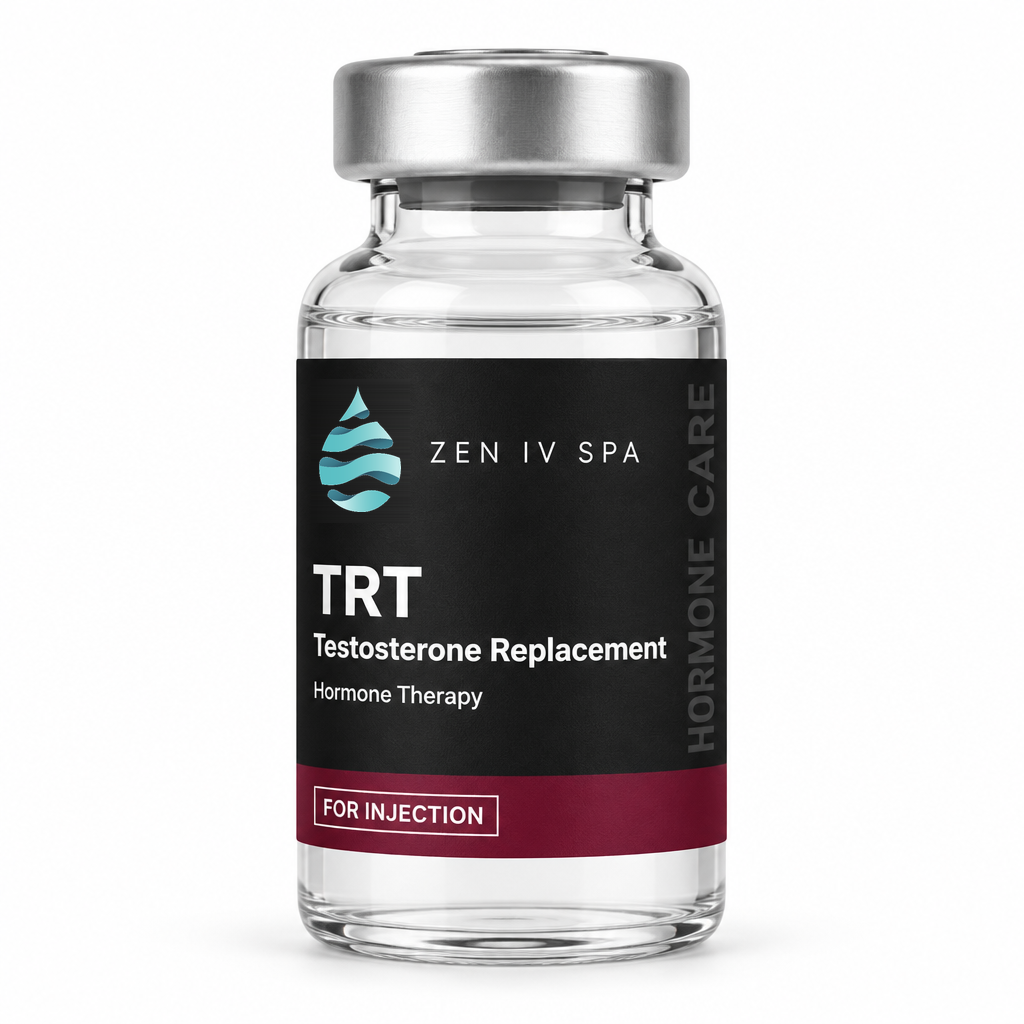
If your testosterone is truly low on two separate tests, there are real treatments. If it is normal, zinc will not change it, and the fix lies elsewhere. Sleep, strength training, losing excess weight and cutting back on alcohol all move testosterone more than any supplement.
Testosterone naturally drops about one percent a year after age 30. That slow decline is normal and does not need treatment by itself. What matters is whether your level is below the normal range and whether you have symptoms to go with it. A clinician weighs both before recommending anything.
How Zen IV Spa can help
Instead of guessing with a supplement, get tested. Zen IV Spa offers a free video visit with our medical director, and a nurse can come to your home anywhere in New York and New Jersey to draw a hormone panel that includes testosterone. From there, our medical team can tell you what is actually going on and what, if anything, needs treatment. Visit /everyday-health/ to get started, or /sexual-wellness/ if low sex drive or erections are your main concern.
Common Questions
How much zinc should I take for testosterone?+
If a test shows you are low, 11 to 25 milligrams a day is a normal range to correct it. If you are not low, extra zinc will not raise testosterone.
Can zinc raise testosterone in a week?+
No. Even in deficient men, the 1996 study took months to show a change.
Do testosterone boosters with zinc work?+
Most contain zinc, magnesium and herbal extracts. There is no strong evidence any of them raise testosterone in men with normal levels.
Is it safe to take 50 milligrams of zinc daily?+
That is above the 40 milligram upper limit. Over time it can cause copper deficiency. Do not take that much without a clinician's advice.
What are the signs of low zinc?+
Frequent colds, slow wound healing, loss of taste or smell, hair thinning and skin rashes. A blood test can confirm it.
Sources: National Institutes of Health Office of Dietary Supplements zinc fact sheet; Prasad et al., Nutrition, 1996 study of zinc status and testosterone in men; Endocrine Society clinical practice guideline on testosterone therapy in men with hypogonadism (2018).
All treatments are medical services. Every guest is screened, and every treatment is prescribed by a licensed provider. Nothing on this page is medical advice for you personally, and the opinions summarized here belong to the doctors named, not to Zen IV Spa. Talk to a provider before starting or stopping anything.