Meet the two medicines
Contrave is a pill sold by Currax Pharmaceuticals. It combines two older drugs: naltrexone, which is used for alcohol and opioid dependence, and bupropion, an antidepressant that also helps people quit smoking. The FDA approved it for weight management in 2014.
Zepbound is a weekly shot made by Eli Lilly, a large U.S. drug company. Its active ingredient is tirzepatide. The FDA approved Zepbound for weight loss in late 2023 and for obstructive sleep apnea in adults with obesity in 2024.
Both are prescription-only. Both are meant to be used along with a lower-calorie diet and more physical activity.
How each one works
Contrave works on the brain. Bupropion affects chemicals called dopamine and norepinephrine, which play a role in appetite and reward. Naltrexone blocks a feedback loop that would normally cancel out that effect. Together they are thought to reduce hunger and cravings, especially the 'reward' type of eating.
Zepbound works on gut hormones. Tirzepatide copies two hormones at once, GLP-1 and GIP. These slow stomach emptying, tell the brain you are full, and improve how the body handles blood sugar. It is the first medicine to act on both hormones.
How much weight people lose
This is the biggest difference. In the COR-I trial for Contrave, published in The Lancet in 2010, people on the full dose lost about 6 percent of their body weight over 56 weeks. The placebo group lost about 1 percent. So the medicine added roughly 5 percent.
In the SURMOUNT-1 trial for Zepbound, published in the New England Journal of Medicine in 2022, people on the highest dose lost about 21 percent over 72 weeks. The placebo group lost about 3 percent. That is more than three times the result seen with Contrave.
To make it real: for a 250-pound person, 6 percent is about 15 pounds. Twenty-one percent is about 52 pounds. Averages hide a lot of variation, but the gap between these two drugs is large and consistent across studies.
Side effects and safety warnings
Contrave's most common side effects are nausea, constipation, headache, dizziness, trouble sleeping, and dry mouth. It carries a boxed warning about suicidal thoughts, because bupropion is an antidepressant. It can raise blood pressure and heart rate, and it can trigger seizures in people at risk. It cannot be taken with opioid pain medicines.
Zepbound's most common side effects are stomach-related: nausea, diarrhea, vomiting, constipation, and reduced appetite. It carries a boxed warning about thyroid C-cell tumors seen in rodents. Rare but serious risks include pancreatitis, gallbladder problems, and severe dehydration.
Neither medicine is safe in pregnancy. Each has a different list of people who should not take it, so a full medical history is a must before starting either.
Cost, convenience, and daily life
Contrave is a pill taken twice a day once you reach the full dose. No needles. Some people strongly prefer that. Brand-name Contrave often costs several hundred dollars a month without insurance, though the company offers discount programs.
Zepbound is one small shot each week with a pre-filled pen. Brand-name Zepbound is expensive, often over $1,000 a month at list price, although Lilly sells lower-priced vials for cash-pay patients.
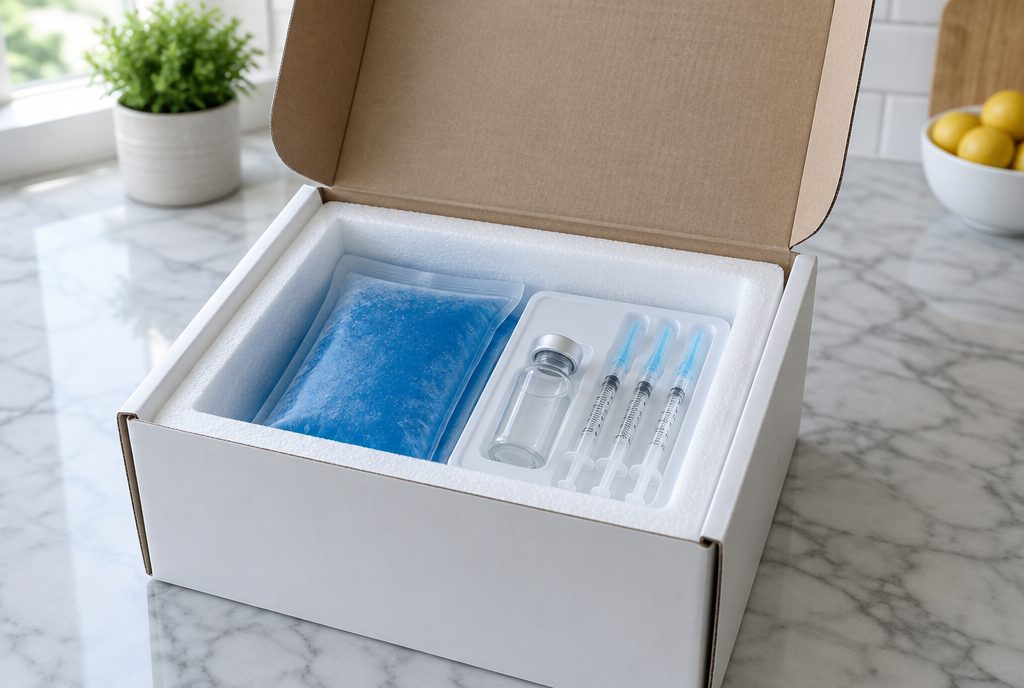
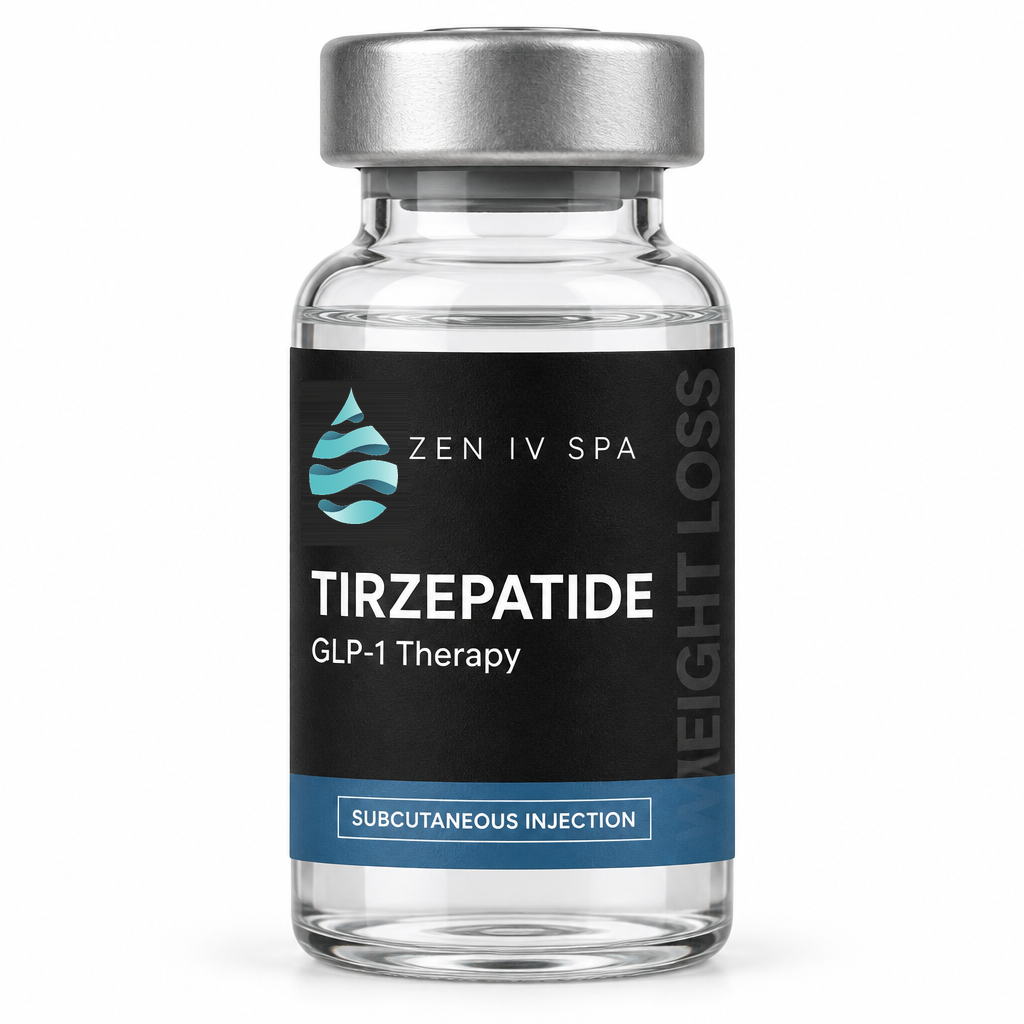
Zen IV Spa prescribes compounded tirzepatide, the same active ingredient in Zepbound, prepared by a licensed compounding pharmacy, for $299 per month. Compounded medicines are not FDA-approved. We do not currently offer Contrave.
Which one makes sense for you?
Contrave may be a fit if you cannot or do not want to use a GLP-1 medicine, if cravings and emotional eating are your main struggle, or if you also want help quitting smoking. It is a modest tool and should be judged after 12 weeks; if you have not lost 5 percent by then, the label says to stop.
Zepbound makes sense when you need substantial weight loss, have sleep apnea or prediabetes, or have tried other approaches without success. The results are stronger, but the cost is higher and you will be giving yourself weekly shots.
Our medical team helps people in New York and New Jersey sort this out during a free video visit, with labs drawn at home by a nurse. Explore our tirzepatide and semaglutide programs on the weight-loss page at /weight-loss/.
Common Questions
Can you take Contrave and Zepbound together?+
This combination has not been studied in large trials and is not standard practice. Do not combine them unless a prescriber who knows your full history directs it.
Which works faster?+
Both reduce appetite within weeks. Zepbound's weight loss keeps climbing for over a year as the dose rises; Contrave's effect tends to level off sooner.
Is Contrave a stimulant?+
Bupropion has mild stimulant-like effects, which is why it can cause trouble sleeping and a faster heart rate. It is not an amphetamine.
Does Zepbound help with sleep apnea?+
Yes. The FDA approved it in 2024 for moderate to severe obstructive sleep apnea in adults with obesity, based on the SURMOUNT-OSA trials.
Is compounded tirzepatide the same as Zepbound?+
It contains the same active ingredient but is made by a compounding pharmacy rather than Eli Lilly, and it is not FDA-approved.
Sources: FDA prescribing information for Contrave (2024) and Zepbound (2024); COR-I trial, The Lancet 2010; SURMOUNT-1 trial, NEJM 2022; SURMOUNT-OSA trials, NEJM 2024.
All treatments are medical services. Every guest is screened, and every treatment is prescribed by a licensed provider. Nothing on this page is medical advice for you personally, and the opinions summarized here belong to the doctors named, not to Zen IV Spa. Talk to a provider before starting or stopping anything.