What alpha-GPC is
Alpha-GPC stands for alpha-glycerylphosphorylcholine. It is a form of choline, a nutrient your body uses to build cell membranes and to make a brain chemical called acetylcholine. Acetylcholine is involved in memory, attention, and the signal that tells muscles to contract.
Alpha-GPC is found in small amounts in foods like eggs, meat, and dairy. The supplement form is usually made from soy or sunflower lecithin. What makes it popular is that it crosses the blood-brain barrier well, so more of the choline reaches the brain compared with plain choline.
In the United States, alpha-GPC is sold as a dietary supplement. In some European countries it is a prescription drug for memory problems after stroke or in dementia. The FDA has not approved it to treat any condition.
What people use it for
Three groups buy alpha-GPC. Students and office workers take it for focus and memory. Athletes take it hoping for more power and a boost in growth hormone. And some older adults take it to slow memory decline. Each claim has a different amount of evidence behind it.
What the research shows
The strongest evidence is in people who already have memory disease. A 2003 Italian trial gave 400 milligrams of alpha-GPC three times a day, or a placebo, to about 260 people with mild to moderate Alzheimer's disease for six months. The alpha-GPC group improved on a standard thinking test while the placebo group got worse. Older trials in people recovering from stroke reported similar results. These are real randomized trials, but they are older, mostly from one country, and have not been repeated on a large scale.
For healthy young adults, the evidence is thin. A few small studies report slightly better reaction time or mental performance after a single dose. These studies had fewer than 30 people each. There is no solid proof that alpha-GPC makes a healthy person smarter.
For exercise, a 2008 study of seven men found that a 600 milligram dose raised growth hormone briefly and improved bench press power. Later small studies gave mixed results. A quick spike in growth hormone after one dose does not mean more muscle over time.
A safety question worth knowing about
In 2021, researchers in South Korea published a study in Alzheimer's Research and Therapy that followed over 12 million people for about 10 years. Those who had been prescribed alpha-GPC had a higher rate of stroke than those who had not, with the risk growing the longer they used it. This was an observational study, so it cannot prove alpha-GPC caused the strokes. People prescribed it may already have been sicker. But the finding has not been ruled out either.
The concern is biologically plausible. Gut bacteria turn choline into a compound called TMAO, which has been linked to heart disease and stroke in other research. Until better studies exist, anyone with a history of stroke, heart disease, or high stroke risk should be cautious with alpha-GPC and other high-dose choline supplements.
Dose and side effects
Studies used 300 to 1,200 milligrams a day, often split into doses. Supplement labels typically suggest 300 to 600 milligrams. It is usually taken in the morning, because it can cause insomnia if taken late.
Common side effects are headache, heartburn, dizziness, and trouble sleeping. Some people report a fishy body odor at higher doses, a known effect of excess choline. Alpha-GPC may interact with drugs that affect acetylcholine, including some Alzheimer's medicines and the opposite class called anticholinergics, which includes many allergy and bladder drugs.
Because it is a supplement, quality varies. Choose a product with a third-party seal such as NSF or USP.
A different approach to brain energy
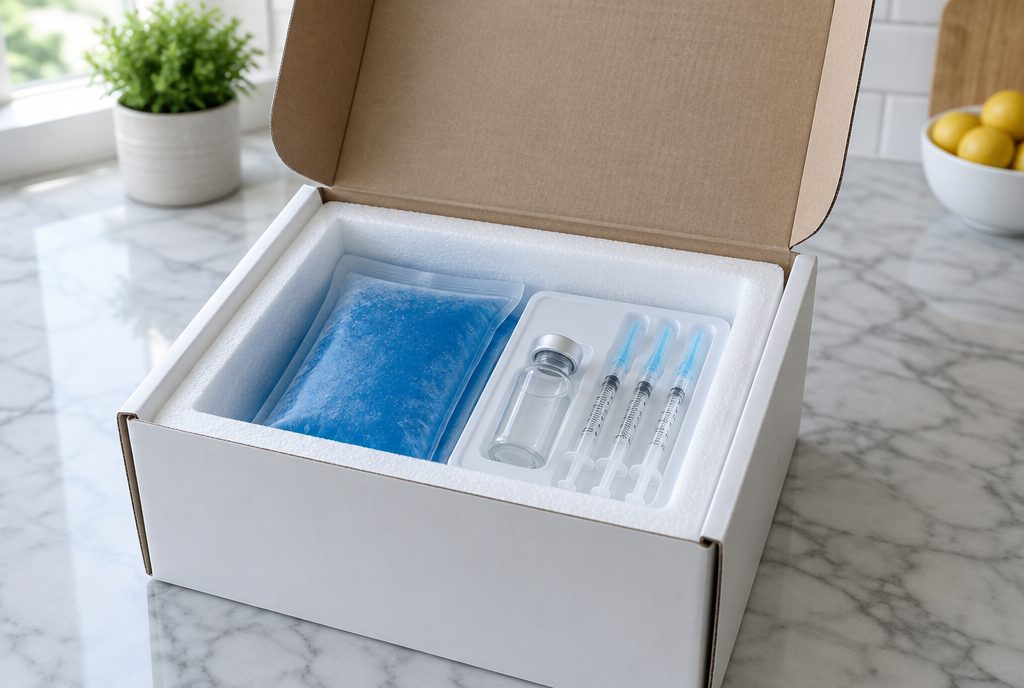
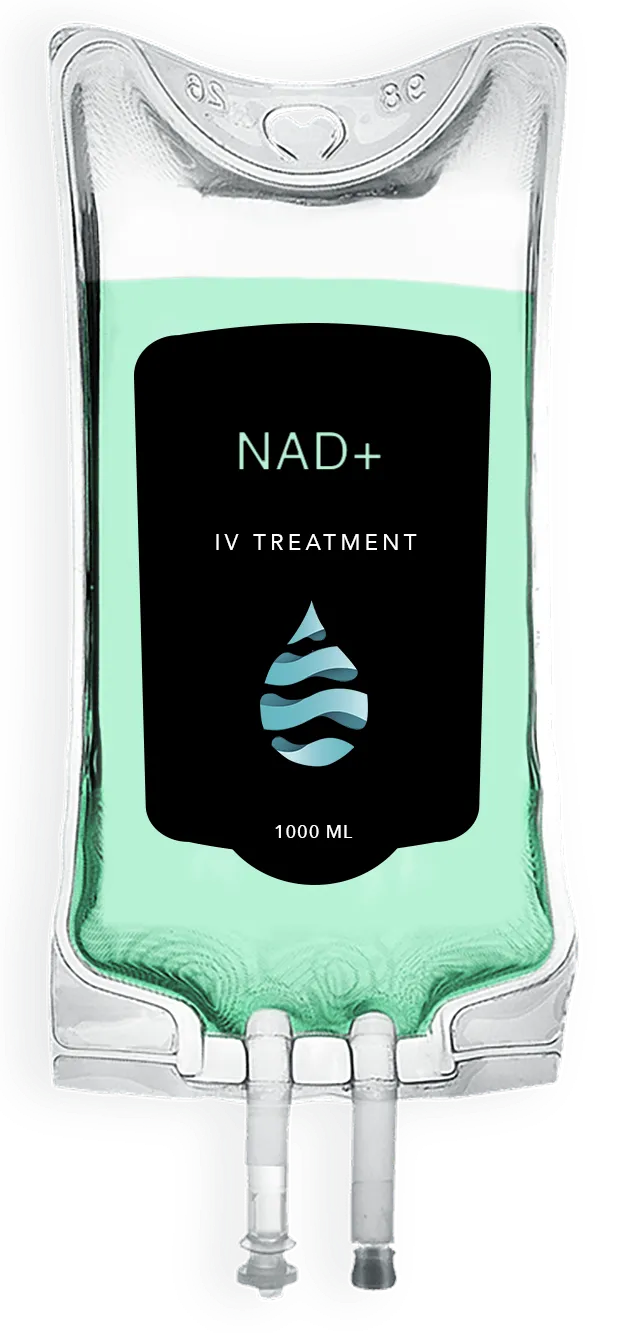
If your goal is clearer thinking and more energy, it helps to look at the whole picture. Poor sleep, low B12, low vitamin D, low thyroid, and low testosterone all cause brain fog, and all are easy to test. Zen IV Spa serves New York and New Jersey. A nurse can draw labs at your home and our medical team reviews them on a free video visit. Many clients also ask about NAD+, a molecule involved in cell energy. We offer an NAD+ IV from $399, an NAD+ shot for $175, and a self-injection program shipped to your door. Learn more at /nad/ or call (332) 239-2005.
Common Questions
What does alpha-GPC do?+
It supplies choline to the brain, which is used to make acetylcholine, a chemical involved in memory and attention.
Does alpha-GPC improve memory?+
In trials of people with Alzheimer's disease, yes, modestly. In healthy adults, the studies are too small to say.
Is alpha-GPC safe?+
Most people tolerate it short term. A large 2021 Korean study found users had a higher stroke rate over 10 years, though it could not prove cause. People with stroke or heart risk should be careful.
How much alpha-GPC should I take?+
Studies used 300 to 1,200 milligrams a day. Most labels suggest 300 to 600 milligrams in the morning.
Is alpha-GPC FDA approved?+
No. It is sold as a dietary supplement in the United States and is not approved to treat any condition.
Does alpha-GPC help build muscle?+
One tiny study found a brief rise in growth hormone and power after a dose. There is no good evidence it builds muscle over time.
Sources: De Jesus Moreno Moreno, alpha-GPC in Alzheimer's disease, Clinical Therapeutics, 2003; Ziegenfuss et al., alpha-GPC and growth hormone, Journal of the International Society of Sports Nutrition, 2008; Lee et al., alpha-GPC and stroke risk, Alzheimer's Research and Therapy, 2021; NIH Office of Dietary Supplements, Choline Fact Sheet.
All treatments are medical services. Every guest is screened, and every treatment is prescribed by a licensed provider. Nothing on this page is medical advice for you personally, and the opinions summarized here belong to the doctors named, not to Zen IV Spa. Talk to a provider before starting or stopping anything.