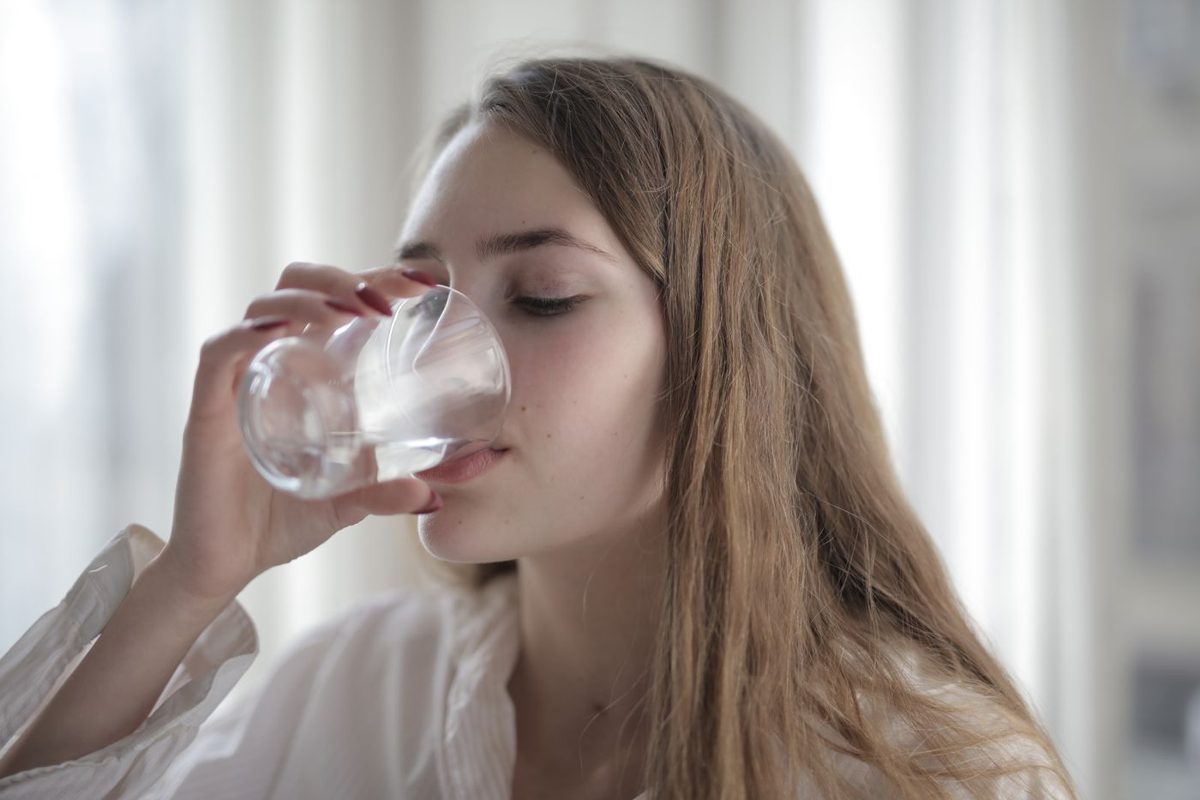
A headache can drag your whole day down. The thumping stops you from getting anything done, and it can feel like the only choice is a dark room and waiting. Knowing the signs of a dehydration headache helps you find relief faster with the right treatment.
Zen IV Spa, the short version
- A nurse comes to you and stays from start to finish.
- All of New York & New Jersey.
- 8 AM to 11 PM, seven days.
- Hydration IV $229.
- No travel fee.
What is a headache?
A headache is pain in your head or face that often feels like drumming, thumping or pounding. We do not fully understand what happens during one, but we know blood vessels can signal pain to the brain. The brain tissue and skull cannot feel pain themselves, because they have no nerves for it. Many things cause headaches, and they are not all equal. It matters to know when a headache is a worry and when it can be treated at home.
What causes headaches?
- Tension headache. Caused by stress or tight muscles. Pain around the neck, forehead, scalp or shoulders. A dull ache more than a throb.
- Cluster headache. More painful. A stabbing or piercing pain on one side of the face, sometimes with sweating, redness or a stuffy nose. Several can come and go in one day.
- Sinus headache. Often with an allergic reaction. Pain around the nose and eyes. More common when the seasons change.
- Hormonal headache. Common for women around hormone changes, periods, or a change in birth control.
- Dehydration headache. Happens when the body needs fluid, for example from heat or illness.
The basics of a dehydration headache
Fluid keeps the body working. We lose water with exercise, hot days, the flu or a sauna, and we need to put it back. That is why runners carry electrolyte drinks. When we are dehydrated, the brain can pull away from the skull and contract. That is the pain and throbbing you feel.
What are the symptoms?
A dehydration headache does not feel like a sinus headache. You will not have pain around the neck or in your face. The pain is around the head, and moving may hurt. It is often a dull kind of pain. Other signs:
- Peeing less
- Dark urine
- Exhaustion
- Skin that is slow to spring back
- Dizziness
- Nausea
- Thirst
In extreme cases there may be fever, delirium or fainting. You may also have muscle cramps, a dry mouth or cool skin. These come from your body lacking fluid and working harder to do normal things.
How do I prevent one?
Keep up your water through the day. If you know you will sweat a lot, like at an outdoor event or on a long run, drink ahead of time. Fruit and vegetables help, because they are mostly water. Remember that alcohol adds to dehydration.
Some people are more at risk:
- People living at high altitude
- Infants, children and older adults
- People with a chronic illness like diabetes
- People on medications that add to dehydration
- Very active athletes
- People in hot climates
How long does it take to go away?
That depends on you. Once you notice the signs, start drinking water and fluids. Plain water is best, and a sports drink can add electrolytes. Most dehydration headaches start to ease in as little as half an hour of drinking water, though it can take up to three hours. The sooner you get fluids in, the shorter the headache.
How do I stop one?
Drink water to restore your fluids. For severe dehydration from illness or heavy workouts, a rehydration drink with glucose and electrolytes can speed things up. Rest somewhere cool and dark so you lose no more fluid, and avoid bright lights and loud noise. Until your body catches up, an over-the-counter pain reliever can help.
When should I see a doctor?
Dehydration can be severe and dangerous. Many people end up in the hospital each year because they cannot keep fluids down. If you have fever, delirium, faintness, confusion or extreme pain, see a doctor. In those cases you will likely be given IV fluids, which quickly replace what you lost and can carry other helpful vitamins. Restoring lost fluids eases the pain and gets you back on your feet.
Rehydrate at home with Zen IV Spa
We are open 8 AM to 11 PM, seven days a week. A licensed registered nurse comes to your home, office or hotel anywhere in New York & New Jersey. Whether it is a rough morning or a hard workout, IV hydration is a fast way to recover and get back to your day.
Helpful pages
Hydration IV · Migraine IV · 10 signs of dehydration · Mobile IV Therapy in Brooklyn
Quick Answers
What does a dehydration headache feel like?+
A dull pain around the whole head that can get worse when you move.
How fast does it go away?+
Often within half an hour of drinking water. It can take up to three hours.
What helps the most?+
Fluids, rest in a cool dark room, and electrolytes if you have been sick or sweating hard.
When is it an emergency?+
Fever, confusion, fainting or extreme pain mean see a doctor.
All treatments are medical services. Every guest is screened, and every treatment is provided only under the clearance, prescription or standing protocol of a licensed medical provider. Nothing on this page is a diagnosis or a promise of results. For an emergency, call 911.