If you are thinking about adding NAD+ IV therapy to your routine, you are probably wondering if your health insurance will pay for it. The answer depends on your policy and on whether your insurer sees the treatment as medically necessary. At Zen IV Spa, NAD+ IV therapy is paid out of pocket, but many people use HSA or FSA funds to help. We give you an itemized receipt for what you received. There are also several ways to bring the cost down.
Zen IV Spa, the short version
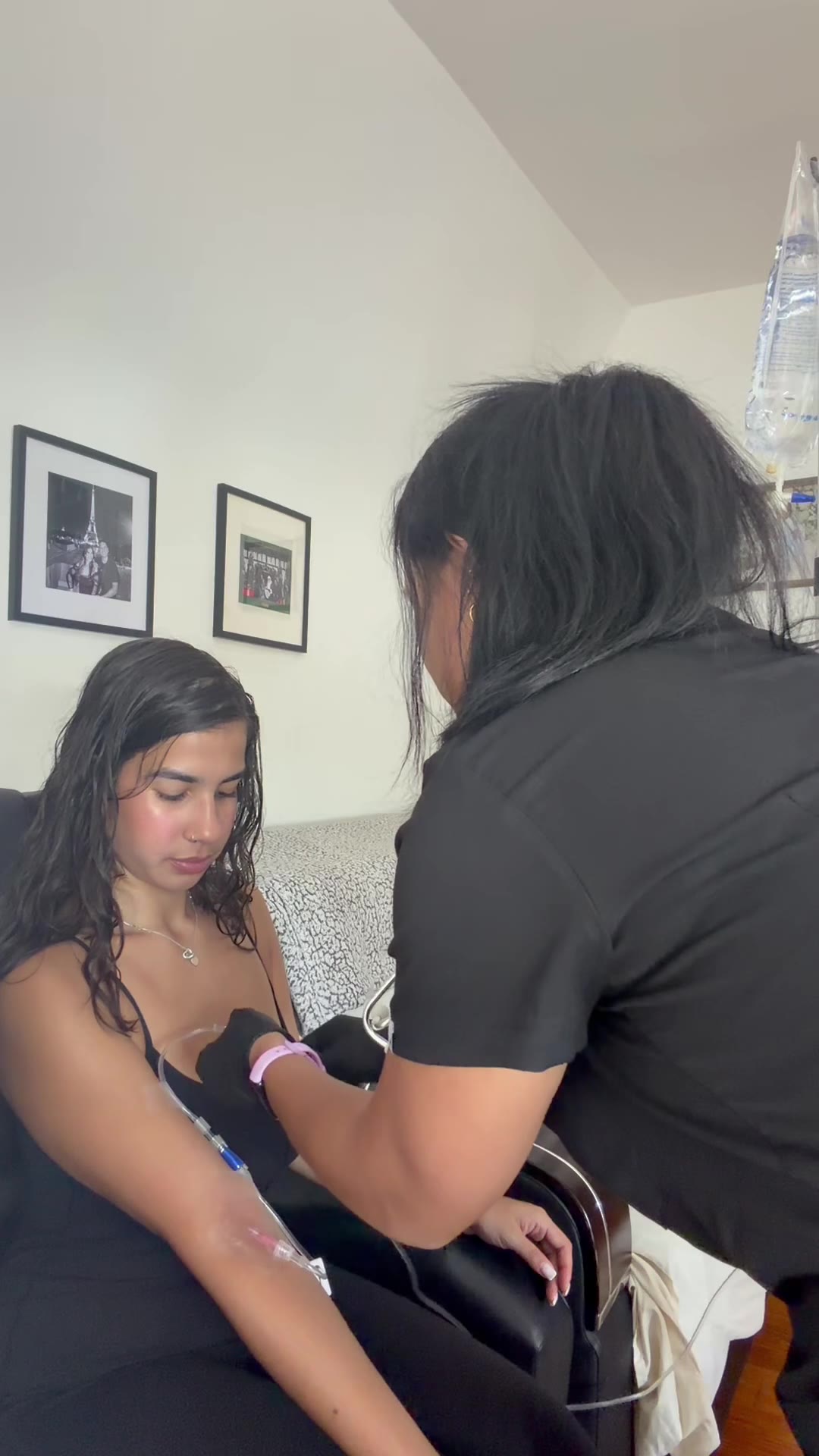
- A nurse comes to you and stays from start to finish.
- All of New York & New Jersey.
- 8 AM to 11 PM, seven days.
- Book online, or call or text (332) 239-2005.
What is NAD therapy?
NAD stands for nicotinamide adenine dinucleotide. It is a coenzyme found in every living cell. The reactions it supports play an essential part in how your body makes energy and repairs cells. NAD levels may affect your metabolism and thinking, and they play a role in healthy aging. NAD therapy adds to your body's NAD+ through IV drips, injections or nasal sprays. Many people use NAD+ IV therapy to support healthy aging and brain health while lifting their energy.
Why does insurance usually not cover it?
The main reason is that the FDA has not approved NAD therapy to treat or prevent a specific medical condition. So most policies treat it as an elective wellness treatment. Still, talk to your insurer about your own coverage, because rare exceptions apply.
Can I use an HSA or FSA for NAD therapy?
Yes, you may be able to. Your plan administrator may ask for paperwork to decide if the expense qualifies under your plan. Our NAD+ IVs can be paid with HSA and FSA cards, but that does not always guarantee reimbursement.
Under IRS Publication 502, qualified medical expenses generally include the cost of diagnosing, treating, preventing or managing illness. Whether an NAD+ IV qualifies depends on the tax rules and your situation. Expenses for general wellness may not qualify.
Why might I need a letter of medical necessity?
It is a document from a qualified healthcare provider explaining why a treatment is recommended for a medical condition. Some administrators ask for one. It does not guarantee reimbursement. Ask your administrator what they need before you book.
HSA, FSA and HRA: what is the difference?
- HSA (health savings account). You put money in through the year, and some employers add to it. You can usually use it for any qualified medical expense, and it rolls over year to year, even if you change jobs.
- FSA (flexible spending account). Funded through payroll. Many plans make you use it or lose it at the end of the plan year, though some allow a grace period or a small carryover.
- HRA (health reimbursement arrangement). Funded and controlled by your employer, who decides what qualifies and whether money carries over.
Using HSA money for something that does not qualify can have tax consequences: income tax, and possibly an extra 20% tax before age 65. IRS Publication 969 explains the rules.
How do I use HSA or FSA funds?
- Call your plan administrator. Ask if NAD therapy qualifies and what paperwork they need.
- Ask for a letter of medical necessity from your healthcare provider, if they require one.
- Keep your receipts. They will likely ask for proof of payment.
- Submit your claim the way your administrator tells you.
Check with your plan administrator or a tax advisor about your own case. This is general information, not tax advice.
What does NAD+ IV therapy cost at Zen IV Spa?
| NAD+ IV | Size | Price |
|---|---|---|
| Standard | 250 mg | $399 |
| High | 500 mg | $699 |
| Maximum | 1,000 mg | $999 |
No travel fee.
Ways to lower the cost
- Memberships. A membership lowers your cost per visit when you come regularly.
- NAD+ injection. A quick shot given by your nurse, $175.
- NAD+ at home. A shipped program you use on your own schedule.
- Niagen IV. Delivers nicotinamide riboside, which your body uses to make NAD+.
Is NAD therapy worth the cost?
Three things decide that: your goals, your budget and your expectations. NAD therapy is not a cure for any medical condition. It is a wellness treatment meant to support cellular health and healthy aging. Research on its benefits is still emerging, and there is not yet enough clinical evidence to confirm long-term health or anti-aging effects.
Side effects can range from mild to more uncomfortable and may include nausea and stomach discomfort, flushing or warmth, headaches, dizziness or lightheadedness, and chest tightness or pressure (a potentially serious reaction). If you are not sure it is worth it, your healthcare provider can help you decide.
Helpful pages
NAD+ IV · Niagen IV · Memberships · Does insurance cover IV therapy? · Mobile IV Therapy in Manhattan
Quick Answers
Does Medicare cover NAD therapy?+
Most Medicare plans do not, especially for general wellness. There is limited clinical evidence and no FDA approval for those uses.
Can I use my HSA card?+
Yes, we take HSA and FSA cards. That does not guarantee the expense qualifies under IRS rules or your plan. Confirm with your administrator before booking.
Do I need a letter of medical necessity?+
Not always. Some administrators require one. It does not guarantee reimbursement.
Is NAD therapy tax deductible?+
When it is used to treat a diagnosed condition and meets IRS rules, it may be. Generally you must itemize, and only the part of your unreimbursed medical costs above 7.5% of your adjusted gross income counts.
How much is an NAD+ IV at Zen IV Spa?+
$399 for 250 mg, $699 for 500 mg, $999 for 1,000 mg.
All treatments are medical services. Every guest is screened, and every treatment is provided only under the clearance, prescription or standing protocol of a licensed medical provider. Nothing on this page is a diagnosis or a promise of results. For an emergency, call 911.