Why it matters
Recovering well takes a thoughtful mix of hydration, targeted nutrients, prevention and personal care.
How travel and the holidays affect immunity
| Stressor | What it does |
|---|---|
| Broken sleep and jet lag | Disrupts the body clock, which is closely tied to immune regulation |
| Mental and physical stress | Raises cortisol, which can suppress immune activity over time |
| Dehydration | Affects circulation and the moist barriers that help defend against germs |
| Crowds | More exposure to germs, especially respiratory viruses |
Sleep disruption and body-clock stress. Crossing time zones and late nights interfere with circadian rhythms. Too little sleep, or broken sleep, can suppress immune function and leave the body more open to infection.
Psychological and physical stress. Holiday travel often stacks work deadlines, family commitments and crowded places on top of each other. Chronic stress raises cortisol. Prolonged stress can reduce the body's ability to fight off viruses and bacteria.
Dehydration during travel. Airplane cabins have low humidity, so you lose fluid even when you do not feel thirsty. Dehydration can also worsen fatigue and delay recovery after a trip.
More environmental exposure. Crowded airports, public transportation and close contact with other people raise the odds of meeting an infectious agent.
IV therapy and nutrients for immune recovery
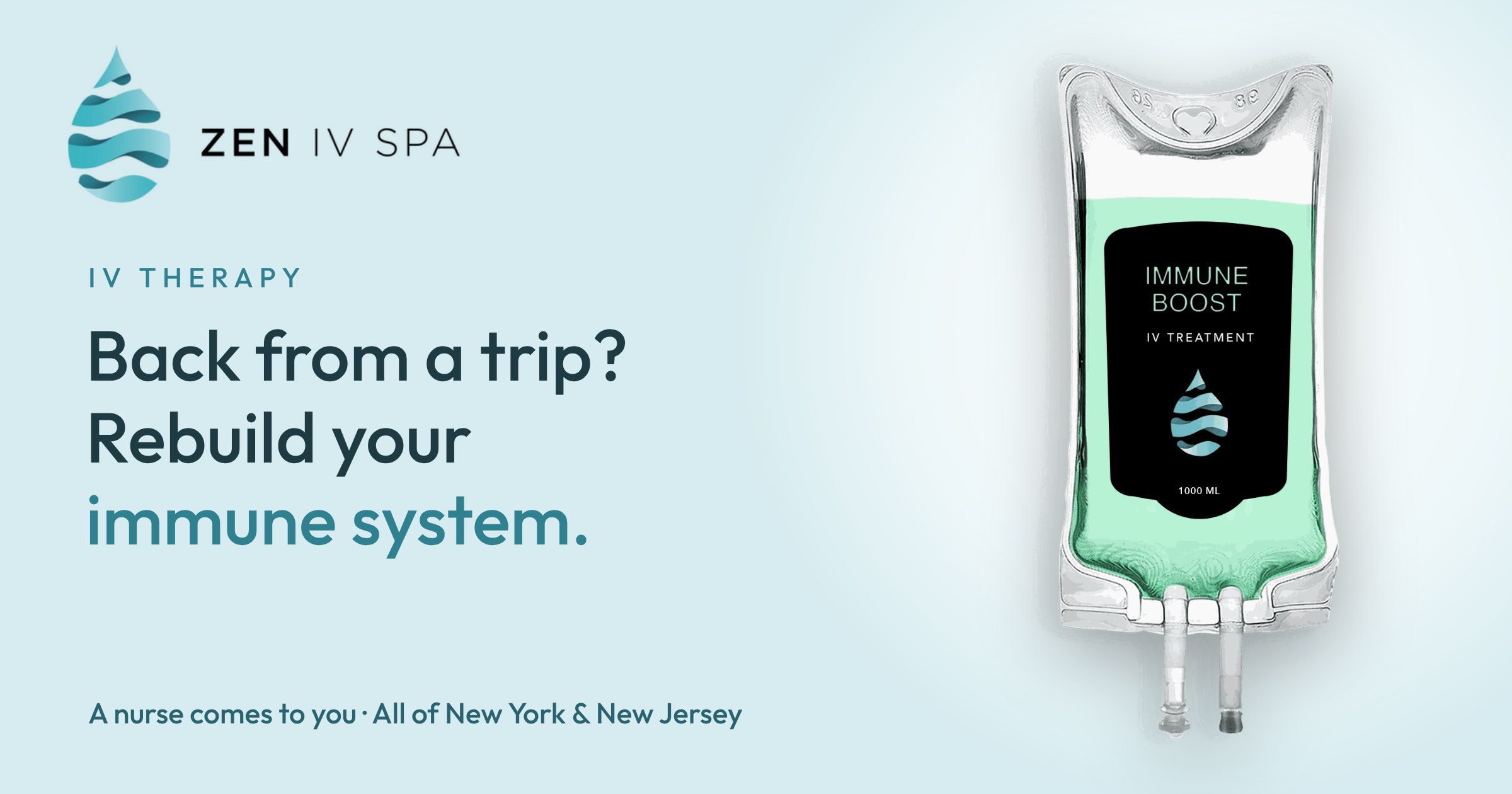
Supporting the immune system after travel means restoring hydration and replacing nutrients that stress, poor sleep and an uneven diet may have drained.
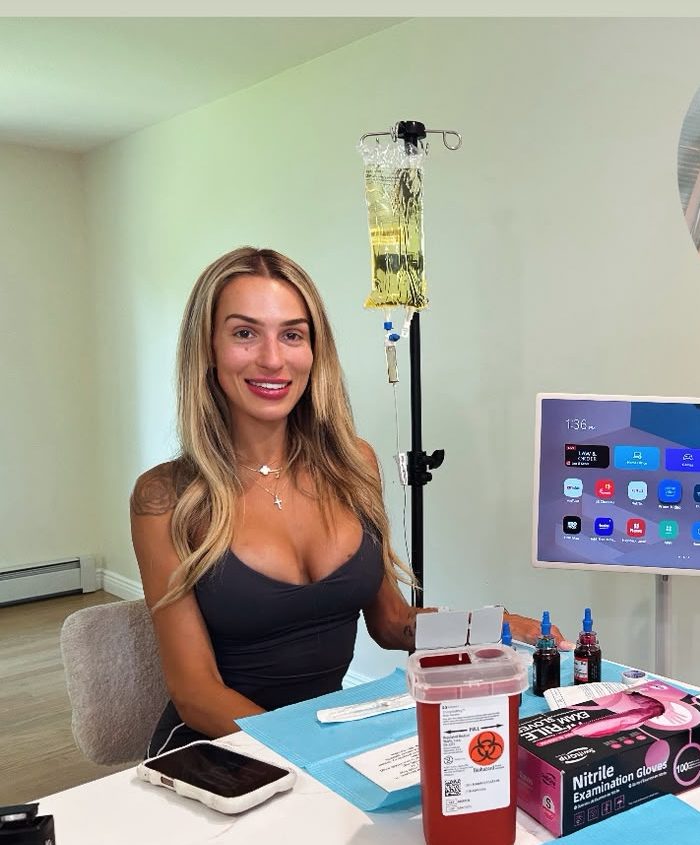
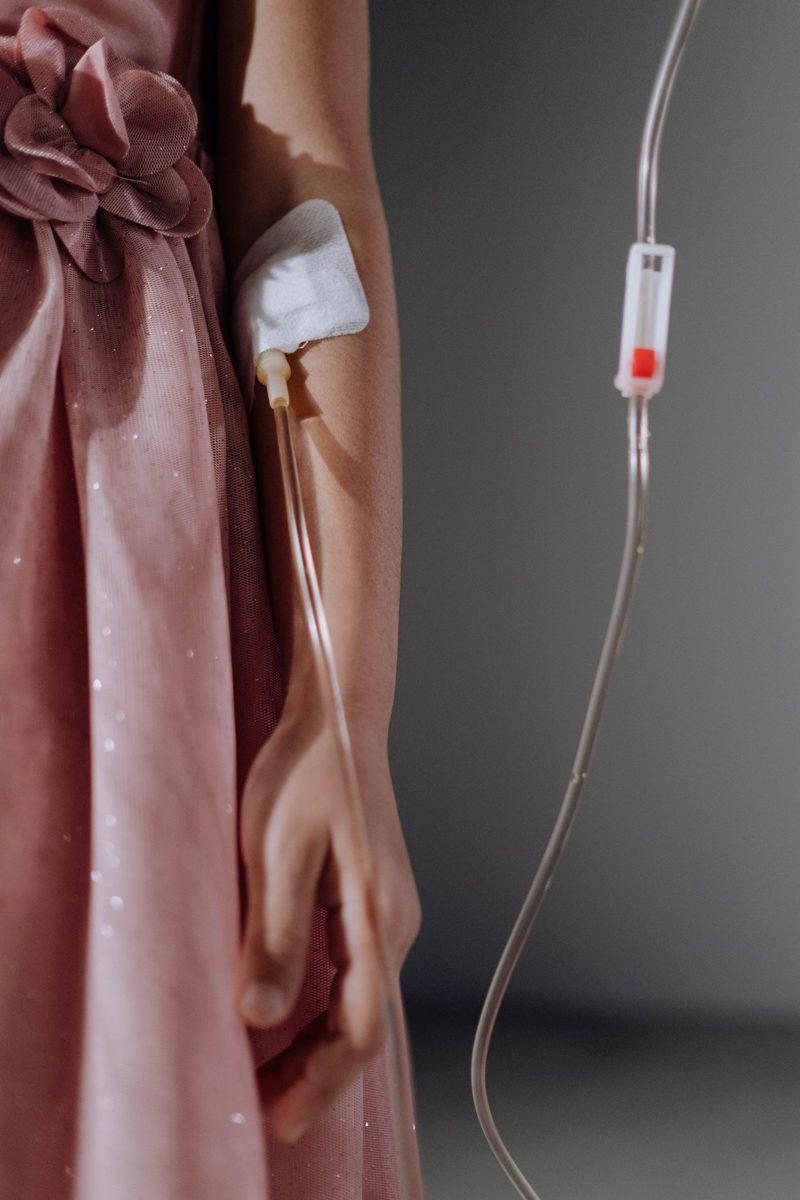
Hydration and electrolyte balance. IV therapy delivers fluids directly into the bloodstream for rapid rehydration. This is especially useful for travelers who struggle to rehydrate by drinking alone. Proper hydration supports circulation, delivery of nutrients and the work of immune cells.
Immune-supportive vitamins and antioxidants. Many immune IV formulas include:
- Vitamin C, which supports immune cell function and antioxidant defense
- B-complex vitamins, which help manage stress and support energy metabolism
- Zinc, involved in immune signaling and wound healing
- Glutathione, a powerful antioxidant that supports cellular recovery
Vitamin C and zinc play essential roles in the immune response and may help shorten an illness when levels are adequate.
Minerals for stress and recovery. Magnesium and other minerals are often depleted during stress. Magnesium supports immune health indirectly by regulating the stress response and sleep quality, both of which influence immunity.
Given by IV, these nutrients bypass digestion. That makes delivery efficient for people with post-travel fatigue or an upset stomach.
Lab panels for personal support
Not all immune challenges are the same. This is where lab testing becomes essential.
Finding deficiencies. A comprehensive panel can check:
- Vitamin D
- B12 and folate
- Inflammatory markers such as CRP
- Electrolyte balance
- Stress-related hormone patterns
Preventing illness with data. Lab data replaces guessing about which supplements or therapies you need. Testing helps clinicians find the hidden contributors to fatigue or frequent illness. With those results, they can recommend targeted nutrient replacement, lifestyle changes or follow-up testing. That supports immune resilience, not reactive treatment.
Immune guidance that continues
True immune recovery goes beyond one session.
Lifestyle recommendations often include:
- Sleep strategies to reset the body clock
- A nutrition plan built around anti-inflammatory foods
- Stress management such as breathwork or light exercise
- A hydration plan matched to your activity and the climate
Sleep, nutrition and stress management are the foundation of immune health and infection prevention.
Preventive planning and follow-up. Good care is continuous: rechecking labs, adjusting nutrients, and watching how the immune system responds over time. Studies show that proactive immune support and preventive strategies are associated with fewer sick days and better overall well-being. This is especially valuable for frequent travelers and high-performing professionals.
Post-travel recovery with Zen IV Spa
A licensed nurse comes to your home, office or hotel anywhere in New York & New Jersey, 8 AM to 11 PM. A licensed provider clears every treatment first. We can draw labs at the same visit, and our medical director oversees every service.
See the Immunity Boost IV and Labs & Testing. Related reading: The Myers' Cocktail and Your Immune System; How Cold Weather Affects Your Health.
Supporting immunity beyond the trip
Travel does not have to compromise your health. By addressing hydration, nutrient status, stress and immune markers, you can recover faster and lower your risk of illness after busy travel periods. IV therapy, lab testing and ongoing guidance together make a proactive plan for immune resilience and long-term wellness.
Quick answers
How quickly will my immunity improve? Hydration and nutrient replacement from IV therapy can be felt within hours, especially in energy and recovery. Immune resilience improves over days to weeks as sleep, stress and nutrient balance are restored.
How often should I get a post-travel immune IV? It depends on how hard you travel, your baseline health and your lab findings. Some people benefit from a single session after a trip. Frequent travelers may schedule regular support as part of ongoing preventive care.
Just back from a trip? Call or text (332) 239-2005 or book at zenivspa.com/iv/immune/.
Sources: Mayo Clinic, Sleep Tips: 6 Steps to Better Sleep; Healthline, What to Know About Hydration; Iddir et al., Strengthening the Immune System and Reducing Inflammation and Oxidative Stress through Diet and Nutrition (National Library of Medicine, PMC7352291, 2020). Educational content, not medical advice.
Ready to book?
Call or text (332) 239-2005, or book online. A licensed nurse comes to you anywhere in all of New York & New Jersey, 8 AM to 11 PM, seven days a week.
All treatments are medical services. Every guest is screened, and every treatment is provided only under the clearance, prescription or standing protocol of a licensed medical provider. Compounded peptides are not FDA-approved unless stated. Nothing on this page is a diagnosis or a promise of results.