What cold does to the body
Blood vessels narrow. When skin senses cold, the nervous system tightens the blood vessels in the skin, hands and feet. Less warm blood reaches the surface, so less heat is lost and the core stays warm. This is why fingers and toes get cold first.
Blood pressure rises. Narrower vessels mean the heart pumps against more resistance. Blood pressure runs higher in winter than in summer, and the heart works harder.
Shivering starts. Rapid muscle contractions produce heat. Shivering can raise the body's heat production several times over, and it uses a lot of energy.
You lose more water than you notice. Cold air is dry, and you lose moisture with every breath. Narrowed blood vessels also signal the kidneys to make more urine. At the same time, cold reduces the feeling of thirst by as much as 40%.
The heart in winter
Heart attacks and strokes are more common in winter. Cold raises blood pressure and makes blood slightly more likely to clot. Sudden heavy effort in the cold adds to the load.
Snow shoveling deserves a specific warning. It combines hard arm work, breath-holding and cold air. A study of more than 128,000 hospital admissions in Canada found that heavy snowfall was followed by a 16% rise in heart attack admissions in men. The American Heart Association advises people with heart disease, high blood pressure or high cholesterol, and anyone who is usually inactive, to be cautious about shoveling.
If you do shovel: warm up first, push snow instead of lifting it, take breaks, and stop at once if you feel chest discomfort, shortness of breath or lightheadedness.
Why colds and flu peak in winter
Cold weather does not cause a cold. Viruses do. But winter helps them in four ways:
- People are indoors together, with windows shut, sharing air.
- Dry air helps flu spread. In low humidity the virus stays stable longer and travels farther.
- Cold weakens the nose's defenses. A 2022 study found that lowering the temperature inside the nose by about 9°F cut one of its frontline immune responses nearly in half.
- Vitamin D falls. At our latitude, winter sun is too weak for skin to make much vitamin D, which plays a part in immune function.
Cold, dry air also tightens the airways. People with asthma or COPD often have more symptoms in winter. A scarf over the nose and mouth warms the air before it reaches the lungs.
Cold injuries
Hypothermia is a body temperature below 95°F. It can happen indoors, especially in older adults in poorly heated homes, and in wet conditions well above freezing. Signs are shivering, confusion, slurred speech, fumbling hands, drowsiness and poor coordination. In severe cases shivering stops. This is an emergency. Call 911, move the person somewhere warm, remove wet clothing, and warm the chest and trunk first.
Frostbite is freezing of the skin and the tissue under it, most often on fingers, toes, nose, ears and cheeks. Early signs are numbness and skin that looks white, grayish or waxy and feels firm. Get indoors, warm the area in warm (not hot) water, do not rub it, and do not walk on frostbitten feet if you can avoid it. Seek medical care.
Frostnip is the mild early stage: cold, red, tingling skin with no lasting damage. Rewarm and cover up.
Chilblains are itchy, painful red or purple patches on fingers and toes after repeated exposure to cold, damp air above freezing. They heal in one to three weeks when the skin is kept warm and dry.
Trench foot comes from feet staying cold and wet for many hours. Dry socks and dry footwear prevent it.
Skin in winter
Cold outdoor air and heated indoor air both hold little moisture, and they pull water from the skin. The result is dry, itchy, cracked skin, sometimes with a red rash, most often on the hands, face and lower legs. Eczema commonly flares.
What helps: short lukewarm showers, a thick cream or ointment applied while the skin is still damp, gloves outdoors, and a humidifier set to keep indoor humidity between 30% and 50%.
Cold urticaria is different. It is an allergic-type reaction in which hives, redness and swelling appear within minutes on skin exposed to cold air, water or objects. Swimming in cold water can trigger a reaction across the whole body, with a drop in blood pressure or trouble breathing. Anyone who gets hives from cold should see a doctor, and people with severe reactions are usually prescribed an epinephrine auto-injector.
Raynaud's causes fingers and toes to turn white, then blue, then red in the cold as small arteries over-tighten. It is common and usually harmless, but new or severe cases should be checked.
Mood and sleep
About 5% of US adults experience seasonal affective disorder, a form of depression that returns each fall and winter and lifts in spring. Signs are low mood, oversleeping, craving carbohydrates, weight gain and loss of interest. Light therapy, time outdoors in the morning, exercise, talk therapy and medication all have evidence. If low mood lasts two weeks or more, see a doctor. If you have thoughts of self-harm, call or text 988.
Other winter hazards
- Carbon monoxide. Furnaces, space heaters, generators and car exhaust cause more than 400 deaths a year in the US. Install a detector on every floor, never run a generator indoors or in a garage, and never heat a home with a gas oven.
- Falls on ice. Wear shoes with grip, take short steps, and keep hands out of pockets for balance.
- Dehydration. Drink through the day even without thirst. Pale yellow urine is the target.
Who is most at risk
- Adults over 65. The body senses cold less well and generates less heat with age.
- Babies and young children, who lose heat quickly.
- People with heart disease, high blood pressure, diabetes, asthma or COPD.
- People with an underactive thyroid.
- People taking certain medications, including some for blood pressure, depression and sleep.
- Anyone who has been drinking. Alcohol widens blood vessels in the skin, so you feel warm while losing heat faster.
- People who work outdoors, and people without reliable heating.
Check on older neighbors and relatives during cold snaps.
Staying well until spring
Dress in three layers. A base layer that moves sweat away from the skin (not cotton), a middle layer that insulates, such as fleece or wool, and an outer layer that blocks wind and water. Add a hat, gloves or mittens, a scarf and warm, dry socks. Wind chill is what determines how fast skin freezes, so check it as well as the temperature.
Get vaccinated. A yearly flu shot, and other vaccines your doctor recommends, before winter peaks.
Wash your hands and keep them away from your face.
Humidify. Keeping indoor air at 30% to 50% humidity helps skin and airways.
Keep moving. Regular exercise supports circulation, mood and immune function. Warm up indoors before going out in the cold.
Eat well and drink enough. Warm soups count toward fluids.
Get your vitamin D checked if you are tired or low through the winter. A blood test shows your level, and a provider can advise on the amount to take.
Sleep seven hours or more.
Limit alcohol outdoors in the cold.
Is cold exposure good for you?
Cold showers and cold-water swimming have become popular. A 2022 review of the research found possible benefits for mood, circulation and metabolism, and concluded that most studies were small and the evidence is not yet firm. In one Dutch trial of about 3,000 adults, people who finished their showers with 30 to 90 seconds of cold water took 29% fewer sick days from work, although they reported the same number of days feeling ill.
The risks are real. Sudden immersion in cold water triggers a gasp reflex and a sharp rise in heart rate and blood pressure, which can cause drowning or a cardiac event. People with heart disease or high blood pressure should ask a doctor first. Start with short cold showers, and never swim in cold water alone.
When to get medical help
- Call 911: signs of hypothermia, chest pain, trouble breathing, signs of stroke, or a severe allergic reaction.
- Seek care the same day: suspected frostbite, a fever above 103°F, a fever lasting more than three days, wheezing, or symptoms that improve and then get worse.
- See your doctor: a cough lasting more than three weeks, low mood lasting two weeks or more, or hives from cold exposure.
How Zen IV Spa helps in winter
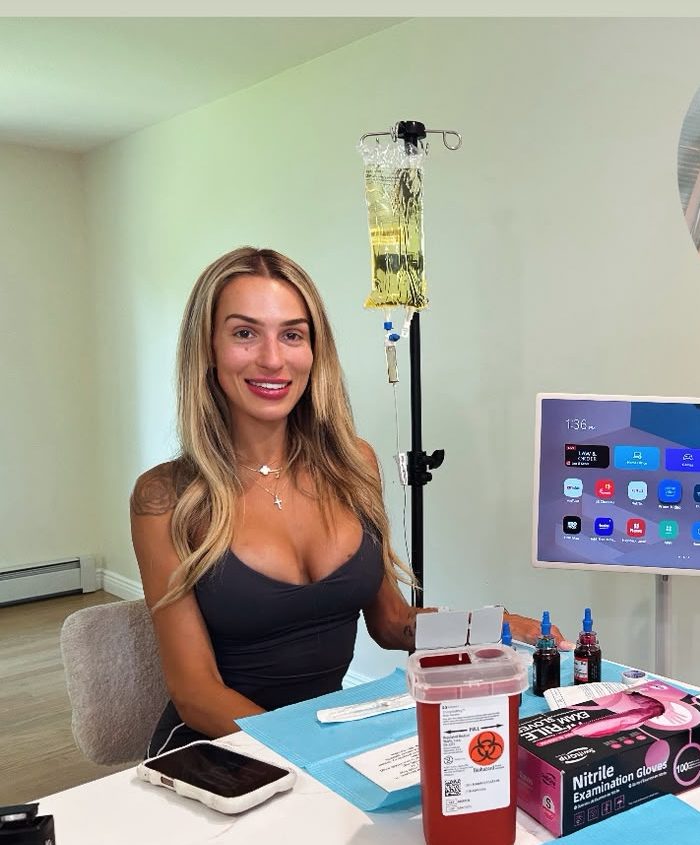
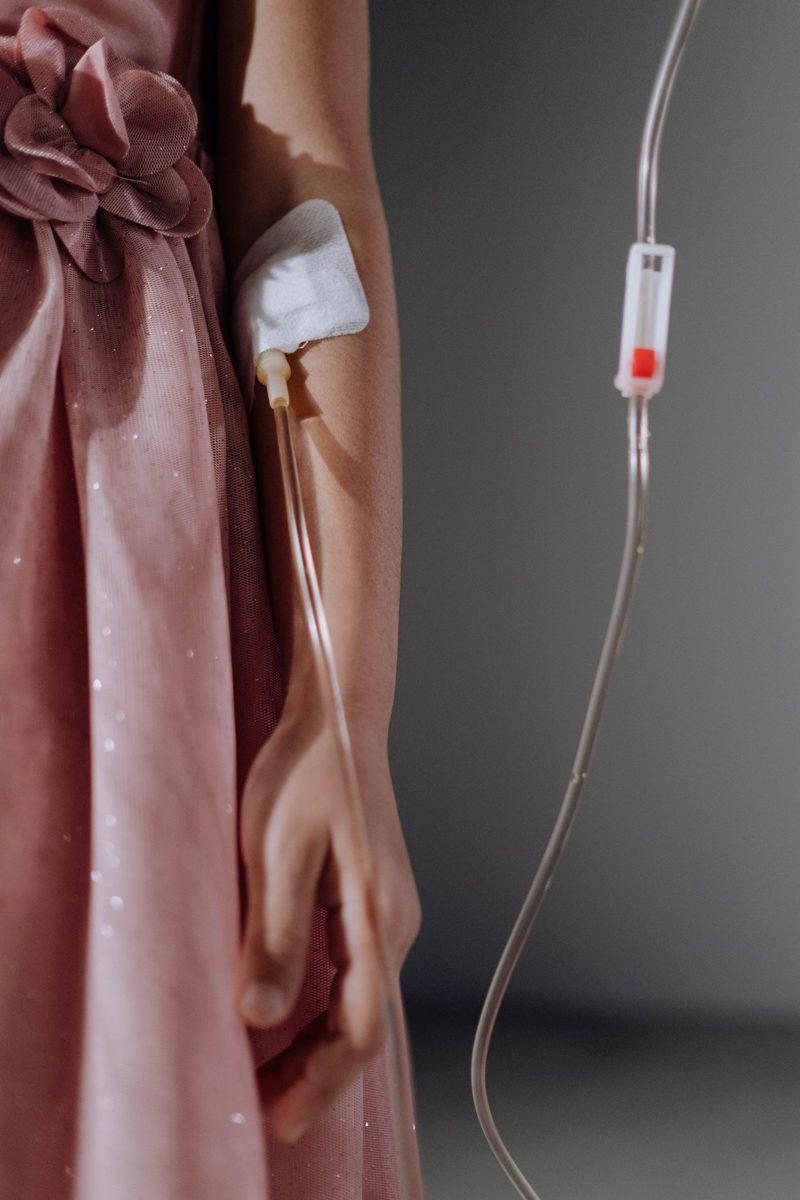
We come to homes, offices and hotels anywhere in New York & New Jersey, 8 AM to 11 PM. In winter that most often means IV fluids for people dehydrated by a stomach bug or the flu, on a provider's order; vitamin D testing with a blood draw at home; flu shots; and doctor house calls and video visits when you are sick and do not want to travel. Drips do not prevent or cure colds or flu. They replace fluid and nutrients while you recover. Our medical director oversees every treatment.
Quick answers
Can cold weather make you sick? Not directly. Viruses cause colds and flu. Winter conditions help them spread and weaken the nose's defenses.
At what temperature does frostbite happen? It becomes possible when skin is exposed below freezing. With strong wind chill it can occur in under 30 minutes.
What are the first signs of hypothermia? Shivering, confusion, slurred speech and clumsiness.
Why are heart attacks more common in winter? Cold narrows blood vessels and raises blood pressure, and exertion such as shoveling adds strain.
Do I need to drink as much water in winter? Yes. You lose water through breathing and urination, and cold blunts thirst.
Should I take vitamin D in winter? Many people in the Northeast run low. A blood test shows whether you need it and how much.
Does going out with wet hair cause a cold? No. It can make you colder, which is uncomfortable, and it does not cause infection.
Down with a winter bug and cannot keep fluids down? Call or text (332) 239-2005.
Sources: CDC, Preventing Hypothermia and Preventing Frostbite; CDC, Carbon Monoxide Poisoning; National Institute on Aging, Cold Weather Safety for Older Adults; American Heart Association, Snow shoveling and heart health; Auger et al., CMAJ 2017 (snowfall and myocardial infarction); Lowen & Steel, Journal of Virology 2014 (humidity, temperature and influenza seasonality); Huang et al., Journal of Allergy and Clinical Immunology 2022 (cold exposure and nasal antiviral immunity); Kenefick et al., Medicine & Science in Sports & Exercise 2004 (thirst during cold exposure); National Institute of Mental Health, Seasonal Affective Disorder; Mayo Clinic, Cold urticaria and Chilblains; American Academy of Dermatology, dry skin relief; Esperland et al., International Journal of Circumpolar Health 2022 (voluntary cold-water exposure, review); Buijze et al., PLoS ONE 2016 (cold showering and sickness absence); NIH Office of Dietary Supplements, Vitamin D Fact Sheet. Educational content, not medical advice.
Ready to book?
Call or text (332) 239-2005, or book online. A licensed nurse comes to you anywhere in all of New York & New Jersey, 8 AM to 11 PM, seven days a week.
All treatments are medical services. Every guest is screened, and every treatment is provided only under the clearance, prescription or standing protocol of a licensed medical provider. Compounded peptides are not FDA-approved unless stated. Nothing on this page is a diagnosis or a promise of results.