The hallmarks of aging
In 2013 a group of scientists published a framework called the hallmarks of aging. The 2023 update lists twelve. In plain words:
- DNA damage builds up faster than it is repaired.
- Telomeres shorten. These are the protective caps on the ends of chromosomes.
- Gene switches drift, so cells turn the wrong genes on and off.
- Proteins misfold and the cell gets worse at clearing them.
- The cell's recycling system slows down.
- Nutrient sensing goes off balance, so cells misjudge how much fuel is available.
- Mitochondria weaken and produce less energy.
- Worn-out cells stop dividing but do not die. They release signals that irritate nearby tissue.
- Stem cells run low, so tissues repair more slowly.
- Cells communicate less clearly.
- Low-level inflammation becomes constant.
- Gut bacteria shift toward a less healthy mix.
These changes feed each other. Damaged mitochondria cause more DNA damage, which drives more inflammation, and so on.
Where NAD+ fits
NAD+ is directly involved in at least four of the twelve:
- DNA repair. The PARP enzymes that repair DNA consume NAD+ every time they work.
- Gene switches and nutrient sensing. Sirtuins, which regulate both, cannot function without NAD+.
- Mitochondria. NAD+ is needed to make energy and to maintain the mitochondria themselves.
- Inflammation. An enzyme called CD38, found on immune cells, breaks down NAD+. CD38 rises with age and with chronic inflammation.
Why NAD+ falls with age
Three things happen together. The body makes less, because a key enzyme in NAD+ recycling becomes less active. The body uses more, because growing DNA damage keeps the repair enzymes busy. And the body destroys more, because CD38 increases. In some tissues NAD+ falls by about half between young adulthood and old age. Heavy drinking, poor sleep, obesity and inactivity speed this up.
Less NAD+ then means less repair and weaker mitochondria, which produces more damage. Researchers describe this as a cycle that reinforces itself.
What happens when NAD+ is raised in animals
In old mice, restoring NAD+ has improved muscle function, blood vessel health, stem cell activity and endurance. In one widely cited 2016 study, old mice given NR lived about 5% longer. A large and carefully controlled US government testing program later gave NR to mice and found no increase in lifespan. So even in mice, the lifespan result has not been confirmed.
What happens in people
- NAD+ can be raised. Pills, shots and infusions all do it, and short-term safety has been good in trials.
- Some functional measures improve. Trials have reported modest gains in walking distance, walking speed and muscle insulin sensitivity, mainly in middle-aged and older adults.
- Others do not change. Several trials found higher NAD+ with no difference in strength, blood sugar or body composition.
- Lifespan has not been tested. No human study has shown that raising NAD+ extends life or prevents age-related disease. A trial like that would take decades.
The fair reading is that NAD+ decline is a real and measurable part of aging, and restoring it is a reasonable idea that is still being tested in people.
What is proven to slow aging
- Exercise. Both aerobic and strength training. Exercise raises the body's own NAD+ production in muscle.
- Not smoking.
- Sleep, seven hours or more.
- A healthy weight and waistline.
- Blood pressure, blood sugar and cholesterol in range.
- Little or no alcohol.
- Strong social ties.
These have decades of human evidence behind them. NAD+ does not replace any of them.
Who looks into NAD+
In our experience across New York and New Jersey, it is mostly people past 40 who notice slower recovery, lower energy or less mental sharpness, and people going through a demanding period. Most start with a single drip and decide from there. We tell everyone the same thing: this is about how you feel and function now. No one can promise you extra years.
At Zen IV Spa
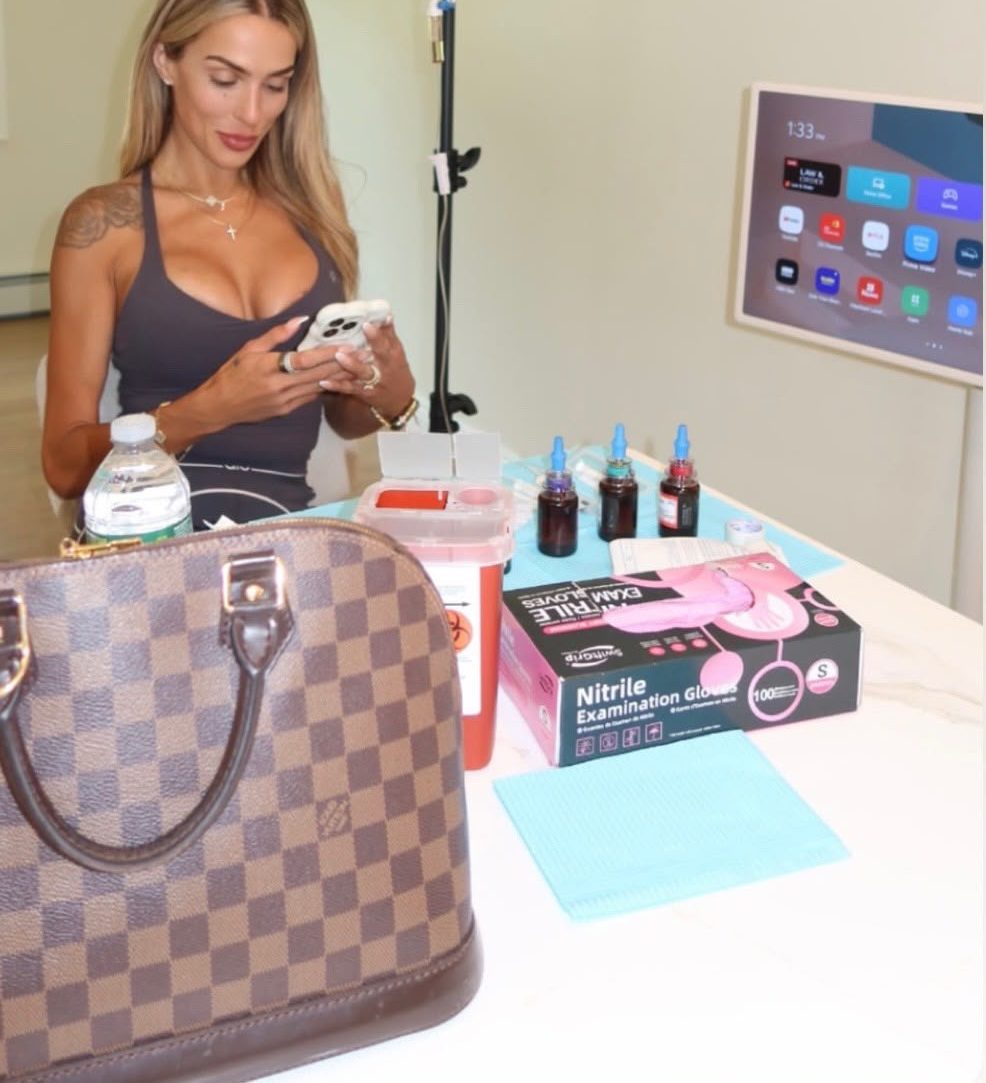
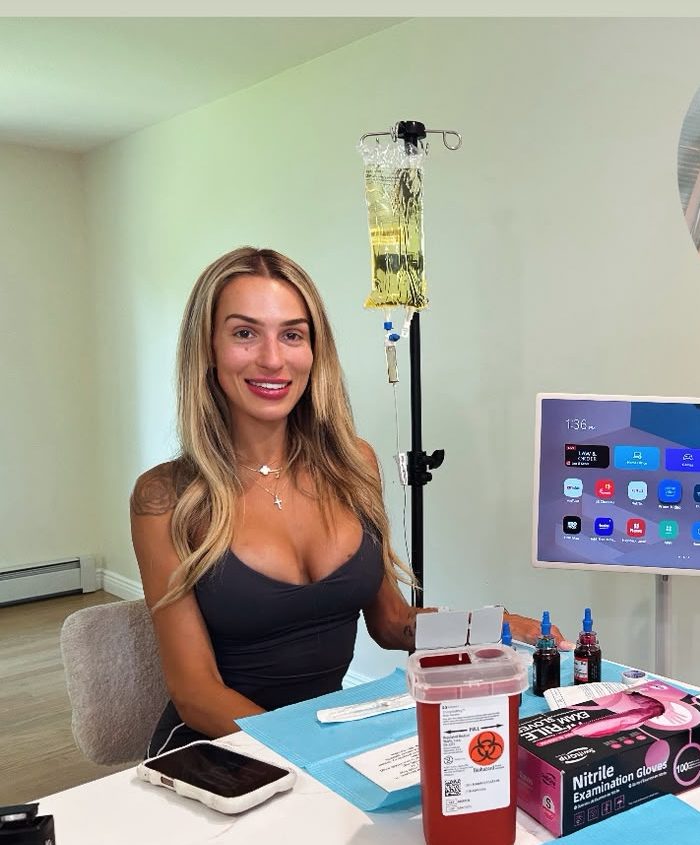
NAD+ drips come in 250, 500 or 1,000 mg and take one to four hours. A licensed provider reviews your health history on a video call first. A licensed nurse comes to your home, office or hotel, checks your blood pressure and pulse, and stays for the whole drip. NAD+ injections can also be shipped to you after the provider visit. Blood work at home is available if you want baseline numbers. Our medical director oversees every treatment.
Quick answers
Does NAD+ reverse aging? No study in people has shown that.
Is the drop in NAD+ with age real? Yes. It has been measured in human blood, muscle, skin and brain.
At what age does it matter? The decline is gradual. Most research interest is in people over 40.
Does exercise raise NAD+? Yes. Training increases the enzyme that recycles NAD+ in muscle.
Is NAD+ safe long term? Trials lasting weeks to months have shown good safety. Multi-year data are limited.
How is it different from NMN or NR pills? Those are building blocks the body turns into NAD+. See NMN vs. NAD+.
Ready to try one and judge for yourself? Book NAD+ at zenivspa.com/iv/nad/.
Sources: López-Otín et al., Cell 2013 and Cell 2023 (The Hallmarks of Aging; Hallmarks of Aging: An Expanding Universe); Covarrubias et al., Nature Reviews Molecular Cell Biology 2021 (NAD+ metabolism and its roles in cellular processes during ageing); Camacho-Pereira et al., Cell Metabolism 2016 (CD38 and age-related NAD+ decline); Massudi et al., PLoS ONE 2012 (age-associated NAD+ changes in human tissue); Zhang et al., Science 2016 (NR, stem cells and lifespan in mice); Harrison et al., Aging Cell 2021 (NIA Interventions Testing Program, NR and lifespan); de Guia et al., Physiological Reports 2019 (exercise training and NAMPT in human muscle); Harvard Health, NAD+ and aging. Educational content, not medical advice.
Ready to book?
Call or text (332) 239-2005, or book online. A licensed nurse comes to you anywhere in all of New York & New Jersey, 8 AM to 11 PM, seven days a week.
All treatments are medical services. Every guest is screened, and every treatment is provided only under the clearance, prescription or standing protocol of a licensed medical provider. Compounded peptides are not FDA-approved unless stated. Nothing on this page is a diagnosis or a promise of results.