Why house calls faded
Three things moved care out of the home in the mid-twentieth century. Diagnostic equipment such as X-ray and laboratory analyzers was large and lived in hospitals. Insurance paid for care delivered in offices and hospitals. And a doctor could see many more patients in a day in an office than by driving between homes.
What changed
The equipment got small. A provider can now carry what is needed for a thorough exam and for rapid tests in one bag. Blood can be drawn at home and sent to a lab. Prescriptions go to the pharmacy electronically. Records are on a tablet.
Getting an appointment got harder. A 2022 survey of 15 large US metropolitan areas found that the average wait for a new-patient physician appointment was 26 days. About a quarter of American adults have no primary care provider at all.
Emergency rooms and clinics are crowded. People with minor problems often wait hours, in rooms full of other sick people.
Video visits made remote care familiar. After 2020, most people had at least one video appointment. Care outside a clinic stopped feeling unusual, and video became a natural first step before an in-person visit.
The population is older. The number of Americans over 65 is rising quickly, and for many of them travel to a clinic is the hardest part of getting care.
The evidence supported it. Medicare tested home-based primary care for frail, chronically ill older adults in a program called Independence at Home. In its first year it reported savings averaging about $3,000 per patient, with fewer hospital readmissions. That program was for a specific high-need group, and the result should not be stretched to everyone. It did show that care at home can be safe and effective.
Who uses house calls here
- Parents. One sick child, other children at home, and no easy way to get everyone to a clinic.
- Older adults and their families. Especially when mobility, balance or memory make travel difficult.
- Working professionals. A visit at the office or at home at a set time, compared with half a day lost.
- Hotel guests and visitors. People far from their own doctor, in Manhattan for work or at the Shore for a week.
- People who value privacy.
- People who are simply too unwell to travel comfortably.
What a doctor can do at home
- A medical history and physical exam
- Evaluation of common illnesses: cold and flu symptoms, sore throat, sinus and ear pain, urinary symptoms, stomach bugs, minor rashes
- Rapid tests with results during the visit
- A blood draw for lab testing
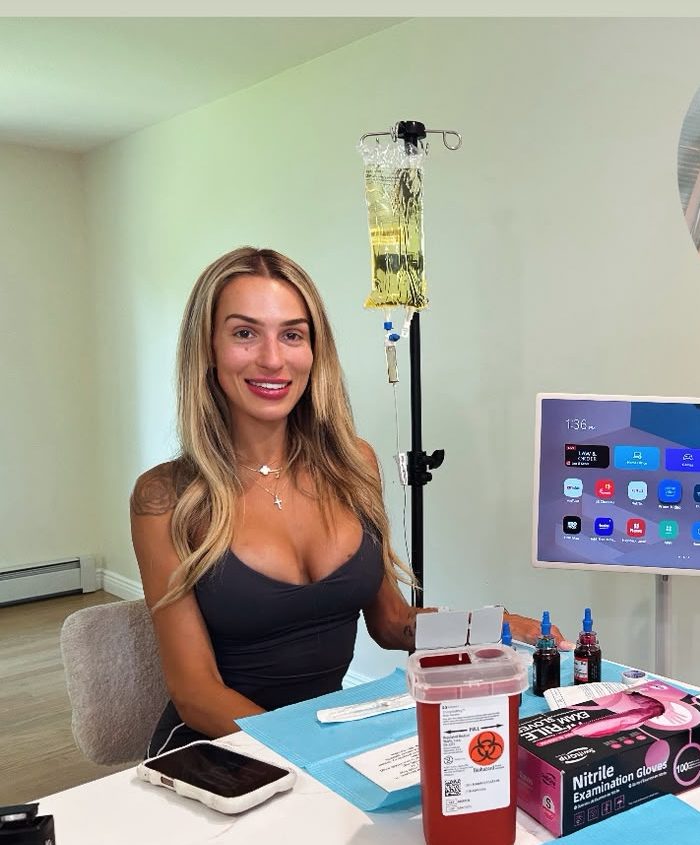
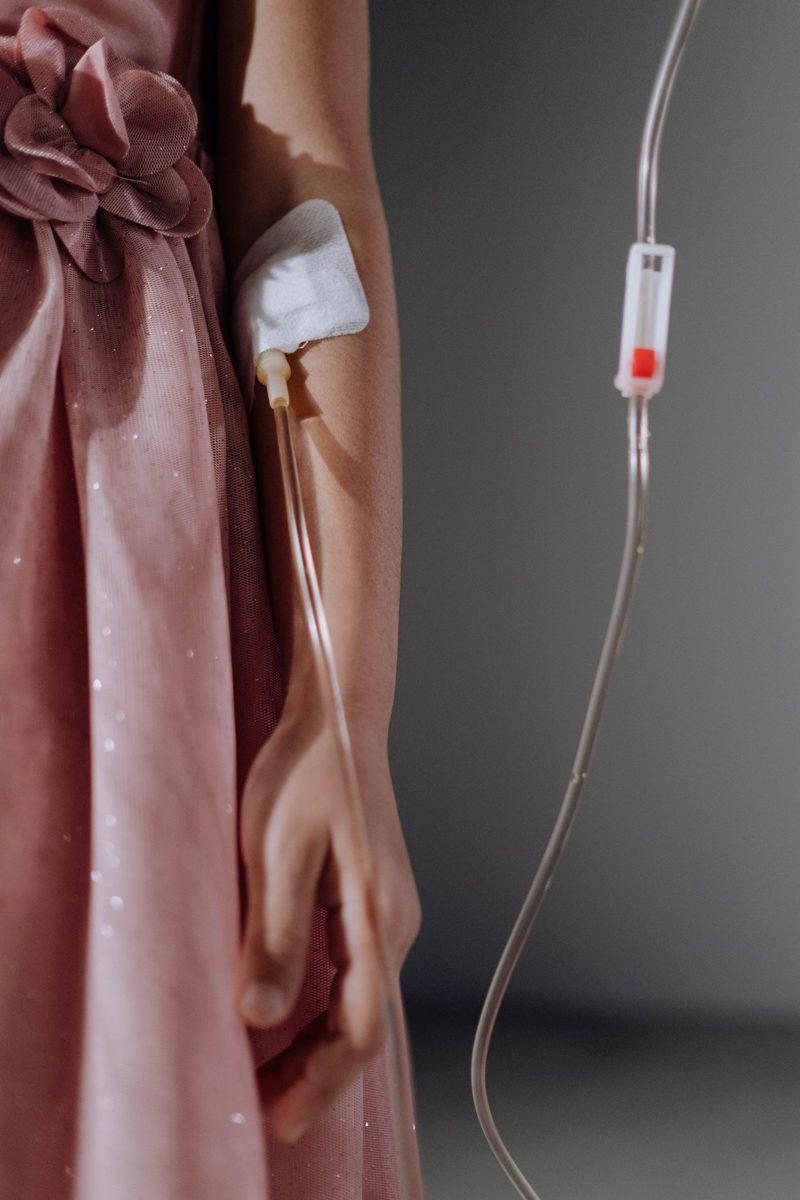
- Injections and IV fluids when ordered
- Prescriptions sent to your pharmacy when appropriate
- Referrals to specialists
- Health assessments, and for those who want a full workup, an executive physical
What a house call cannot do
- Emergencies. Chest pain, trouble breathing, stroke signs, severe bleeding or a serious injury need 911.
- Imaging. X-rays and scans are done at a facility.
- Controlled medications. These are not prescribed on house calls.
- Replace your regular doctor for long-term management of chronic conditions. A house call works alongside ongoing care.
What a visit is like
You call or text and describe the problem in general terms. A time is confirmed, often for the same day. The provider arrives with the equipment for your symptoms, takes your history, examines you, runs any tests, and explains what they found. You get treatment or a prescription if needed, and a plan that covers what to watch for and when to follow up. There is no waiting room and no clock running in the hallway, so there is time to ask questions.
What it costs
A doctor house call with Zen IV Spa is $799, with travel included. Tests and treatments are listed with their prices before you book. We do not bill insurance, and you receive an itemized receipt you can submit to your plan. A video visit costs less and is a good first step for problems that do not need an in-person exam.
About Zen IV Spa
We bring non-emergency care to homes, offices and hotels anywhere in New York & New Jersey, 8 AM to 11 PM, seven days a week: doctor house calls, video visits, rapid testing, blood draws at home and IV therapy. Our nurses are licensed, and our medical director oversees every service.
Quick answers
Do doctors still make house calls? Yes. They fell to under 1% of visits by 1980 and have been growing again.
Why are house calls coming back? Portable equipment, long waits for appointments, crowded emergency rooms, an older population and wider use of video visits.
Is a house call as good as an office visit? For problems that do not need imaging or hospital equipment, the exam and treatment are the same.
How fast can a doctor come? Often the same day, depending on your area.
How much is a house call? $799 with travel included. Tests and treatments are extra.
Can a house-call doctor be my primary care doctor? A house call is for today's problem. Keep a regular doctor for ongoing care.
Want the doctor to come to you? Call or text (332) 239-2005.
Sources: Leff & Burton, Journals of Gerontology: Medical Sciences 2001 (The Future History of Home Care and Physician House Calls in the United States); Kao et al., Journal of the American Geriatrics Society 2009 (The Past, Present, and Future of House Calls); Centers for Medicare & Medicaid Services, Independence at Home Demonstration, performance year 1 results; AMN Healthcare / Merritt Hawkins, 2022 Survey of Physician Appointment Wait Times; Levine, Linder & Landon, JAMA Internal Medicine 2020 (adults with a primary care provider); US Census Bureau, older population projections; Zen IV Spa Doctor House Calls page (services and price as listed Nov 12, 2026). Educational content, not medical advice. In an emergency, call 911.
Ready to book?
Call or text (332) 239-2005, or book online. A licensed nurse comes to you anywhere in all of New York & New Jersey, 8 AM to 11 PM, seven days a week.
All treatments are medical services. Every guest is screened, and every treatment is provided only under the clearance, prescription or standing protocol of a licensed medical provider. Compounded peptides are not FDA-approved unless stated. Nothing on this page is a diagnosis or a promise of results.