What "metabolism" means here
Metabolism is every chemical reaction that turns food into energy or into body tissue. NAD+ is required for hundreds of them: breaking down sugar, burning fat inside the mitochondria, and switching between the two fuels. It also activates sirtuins, proteins that help cells adapt when energy is scarce, such as during fasting or exercise.
Why the idea took off: the mouse studies
In 2012, researchers fed mice a high-fat diet. The mice that also received NR gained far less weight, burned more energy, and had better insulin sensitivity. Other mouse studies with NMN found similar results, along with better blood sugar control in diabetic and aging mice. These results were consistent and striking, and they started a decade of human trials.
What happened in people
- Obese men, 12 weeks of NR (2018): NAD+ markers rose. Body weight, body fat, insulin sensitivity and resting energy use did not change.
- Overweight adults, 6 weeks of NR (2020): a small increase in lean mass and in energy burned during sleep. No change in insulin sensitivity or body fat.
- Women with prediabetes, 10 weeks of NMN (2021): muscle responded better to insulin. Body weight, body fat, liver fat and blood sugar did not change.
- Twin pairs with different body weights, 5 months of NR (2023): more mitochondria in muscle and shifts in gut bacteria. No reduction in body fat, and no improvement in blood sugar control.
- NAD+ infusions: no controlled trial has measured body weight.
Across these trials, NAD+ building blocks changed things inside muscle cells. None of them moved the scale.
Why mice and people differ
Mouse studies use amounts that are much larger for body size, start treatment at the same time as the unhealthy diet, and run for a large share of a mouse's life. Human trials use smaller amounts for weeks or months in people who have carried extra weight for years. Human metabolism also has more overlapping controls. This gap between mouse and human results is common across obesity research.
What NAD+ may still offer during weight loss
These are supporting roles, and none is proven in a large trial:
- Energy while eating less. Some people on a calorie deficit report less tiredness with NAD+.
- Muscle function. The muscle findings above matter because keeping muscle is one of the main challenges of losing weight.
- Cravings. Some clients report less pull toward sugar and alcohol. This has not been tested in a trial.
What does lower weight
- A sustained calorie deficit that you can keep up.
- Enough protein and resistance training, to hold on to muscle while fat comes off.
- Sleep. Short sleep raises hunger hormones.
- Prescription GLP-1 medications, for people who qualify. In large trials these produced average losses of roughly 15 to 21 percent of body weight over about 16 months, alongside diet and activity. They require a licensed provider, lab work and regular check-ins.
At Zen IV Spa
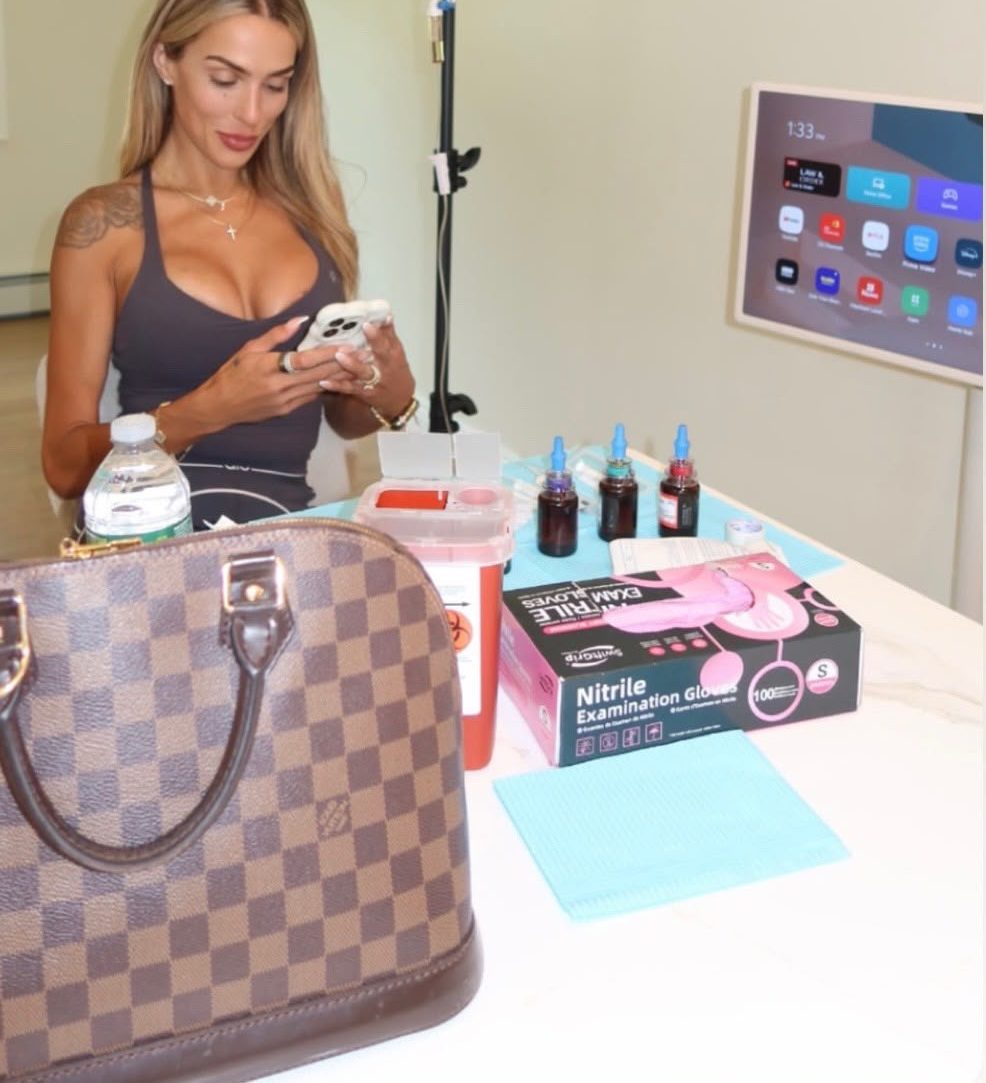
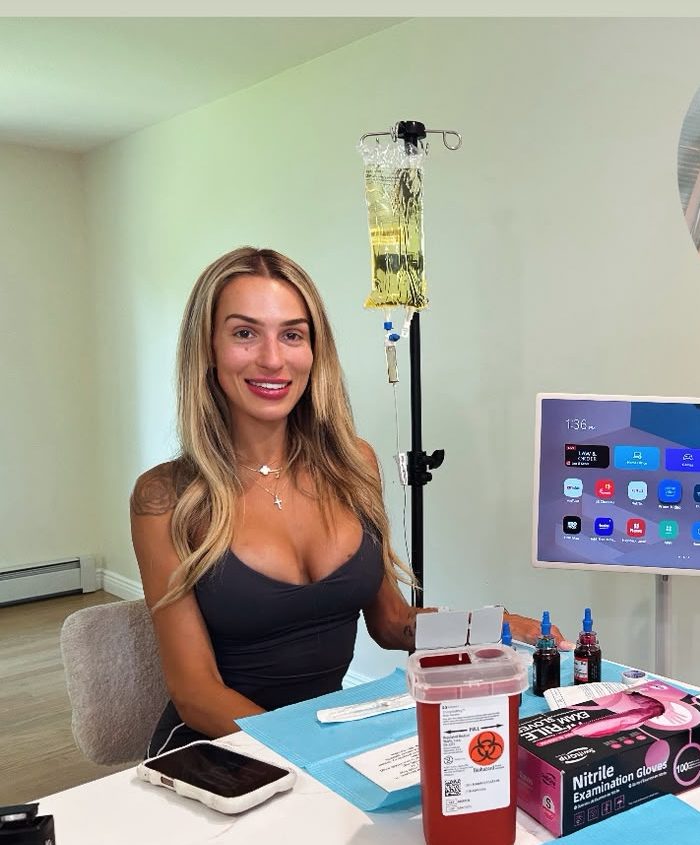
We offer NAD+ drips in 250, 500 or 1,000 mg, given by a licensed nurse at your home anywhere in New York & New Jersey. We also run physician-led weight-loss programs, where a licensed provider reviews your history and labs first. If your goal is to lose weight, the weight-loss program is the right starting point, and NAD+ is an optional addition. Our medical director oversees every treatment.
Quick answers
Does NAD+ burn fat? Not in any human trial so far.
Does NAD+ speed up metabolism? One small trial found a slight rise in energy burned during sleep. Others found no change.
Can I take NAD+ with a GLP-1 medication? Many people do. Tell the provider on your video call so it is planned together.
Is the drip better than pills for weight? Neither has been shown to cause weight loss.
Why do I see NAD+ advertised for weight loss? Mostly because of the mouse studies, which did not carry over to people.
Want a plan built on what works? See our weight-loss programs at zenivspa.com/glp/, or book NAD+ at zenivspa.com/iv/nad/.
Sources: Cantó et al., Cell Metabolism 2012 (NR and diet-induced obesity in mice); Yoshino et al., Cell Metabolism 2011 (NMN in diabetic mice); Dollerup et al., American Journal of Clinical Nutrition 2018 (NR in obese men); Remie et al., American Journal of Clinical Nutrition 2020 (NR, body composition and sleeping metabolic rate); Yoshino et al., Science 2021 (NMN in women with prediabetes); Lapatto et al., Science Advances 2023 (NR in BMI-discordant twins); Wilding et al., New England Journal of Medicine 2021 (STEP 1, semaglutide); Jastreboff et al., New England Journal of Medicine 2022 (SURMOUNT-1, tirzepatide). Educational content, not medical advice.
Ready to book?
Call or text (332) 239-2005, or book online. A licensed nurse comes to you anywhere in all of New York & New Jersey, 8 AM to 11 PM, seven days a week.
All treatments are medical services. Every guest is screened, and every treatment is provided only under the clearance, prescription or standing protocol of a licensed medical provider. Compounded peptides are not FDA-approved unless stated. Nothing on this page is a diagnosis or a promise of results.