Why it matters
For free, confidential treatment referrals at any hour, call the SAMHSA National Helpline at 1-800-662-4357. If you are in crisis, call or text 988. For a suspected overdose, call 911.
Where the idea came from
In 1961 a physician named Paul O'Hollaren reported giving intravenous NAD to more than 100 people with alcohol and drug dependence and described reduced withdrawal symptoms and cravings. The report had no comparison group. Since then, clinics have offered multi-day NAD+ infusion programs, and a number of case series and patient surveys have described improvement. None of these is a randomized controlled trial.
The biological rationale
- Alcohol uses up NAD+. Breaking down alcohol in the liver consumes large amounts of NAD+, which disrupts how the liver processes fat and sugar. Heavy long-term drinking also depletes niacin and other B vitamins.
- Brain energy and repair. Long-term substance use is associated with stress on nerve cells and their mitochondria, and NAD+ is central to energy production and repair.
- Animal studies. In rodents, raising NAD+ has reduced some drug-seeking behavior and some signs of withdrawal.
These are reasons to study NAD+. They are not proof that it works in people.
What the human evidence shows
- No randomized controlled trials of NAD+ infusions for alcohol, opioid, stimulant or other substance use disorders have been published.
- Case series and pilot reports describe fewer cravings and withdrawal symptoms. Without a placebo group, these results cannot separate the effect of NAD+ from the effects of time, rest, hydration, attention and the person's own motivation.
- A 2020 scientific review of NAD+ therapy concluded that the evidence in addiction is limited to low-quality studies and that controlled trials are needed.
Why withdrawal needs medical supervision
This is the most important safety point in this post.
- Alcohol withdrawal can be fatal. It can cause seizures and delirium tremens, usually one to three days after the last drink. Heavy daily drinkers should not stop suddenly without medical care.
- Benzodiazepine withdrawal can also cause seizures and must be tapered under a prescriber.
- Opioid withdrawal is rarely fatal in itself, but the period afterward is dangerous. Tolerance falls quickly. A person who returns to their previous amount after a period without opioids is at high risk of a fatal overdose.
An NAD+ infusion does not prevent seizures, does not treat delirium tremens and does not protect against overdose. A wellness provider is the wrong place to withdraw from alcohol, benzodiazepines or opioids.
Treatments that are proven
Opioid use disorder
- Buprenorphine, methadone and naltrexone. People who stay on buprenorphine or methadone have roughly half the risk of death of those who do not.
- Naloxone (Narcan) reverses an opioid overdose. It is available without a prescription at pharmacies in New York and New Jersey. Anyone at risk, and their family, should keep it on hand.
Alcohol use disorder
- Naltrexone and acamprosate reduce drinking and relapse.
- Medically supervised withdrawal for people who are physically dependent.
For all substance use disorders
- Counseling and behavioral therapies, including cognitive behavioral therapy and contingency management
- Mutual-support groups such as Alcoholics Anonymous, Narcotics Anonymous and SMART Recovery
- Treatment of depression, anxiety and other conditions that often occur alongside
- Ongoing care. Addiction is a long-term condition, and most people need support over years.
How to find treatment in New York and New Jersey
- SAMHSA National Helpline: 1-800-662-4357, free, confidential, 24 hours
- FindTreatment.gov: a federal directory of licensed programs
- New York: the state HOPEline, 1-877-846-7369, or text 467369
- New Jersey: ReachNJ, 1-844-732-2465
- 988: call or text for a crisis of any kind
Where NAD+ may fit
For a person who is medically stable, past withdrawal and engaged in treatment, NAD+ can be considered in the same way as for anyone else: general support for energy, sleep and mental clarity during a demanding period. Fatigue and poor sleep are common in early recovery, and replacing fluids and nutrients can help someone feel physically better. That is the extent of it.
If you are in recovery and want to try NAD+:
- Tell your treatment team first, and tell our provider about your history and every medication on the video call.
- Stay on your prescribed medication, including buprenorphine, methadone or naltrexone. NAD+ does not replace any of them.
- Keep going to counseling and meetings.
- Do not use it to manage withdrawal.
- Be cautious of any program that promises to end addiction in a set number of days.
What we will and will not do
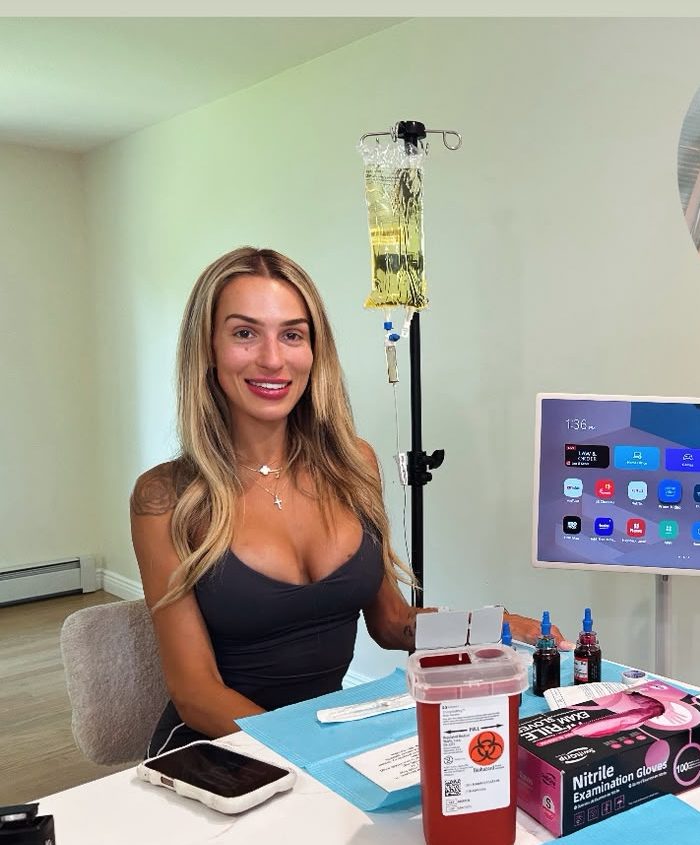
Zen IV Spa does not treat addiction, does not manage withdrawal and does not offer NAD+ as a detox. If someone contacts us while intoxicated, in withdrawal or in crisis, we direct them to medical care. For people in stable recovery, we offer NAD+ drips in 250, 500 or 1,000 mg for general wellness, after a licensed provider reviews their health history. We serve all of New York & New Jersey, and our medical director oversees every treatment.
Quick answers
Does NAD+ cure addiction? No. There are no controlled trials showing that it treats any substance use disorder.
Can NAD+ get me through withdrawal? No. Withdrawal from alcohol or benzodiazepines can be life-threatening and needs medical supervision.
Does NAD+ reduce cravings? Some uncontrolled reports say so. It has not been tested against a placebo.
Can I use NAD+ while on buprenorphine or methadone? Ask your prescriber first. Do not stop or reduce your medication.
What treatments work? Medications such as buprenorphine, methadone, naltrexone and acamprosate, combined with counseling and ongoing support.
Where do I start? Call the SAMHSA National Helpline at 1-800-662-4357. It is free and confidential.
In stable recovery and want to ask about NAD+? Use "Ask a Provider" at zenivspa.com before you book.
Sources: O'Hollaren, Western Journal of Surgery, Obstetrics and Gynecology 1961 (diphosphopyridine nucleotide in the prevention, diagnosis and treatment of drug addiction); Braidy, Villalva & van Eeden, Antioxidants 2020 (NAD+ therapy in age-related degenerative disorders and addiction: review); Sordo et al., The BMJ 2017 (mortality risk during and after opioid substitution treatment); Larochelle et al., Annals of Internal Medicine 2018 (medication for opioid use disorder after nonfatal overdose and mortality); National Institute on Drug Abuse, Medications for Opioid Use Disorder; National Institute on Alcohol Abuse and Alcoholism, Alcohol Withdrawal and Treatment for Alcohol Problems; American Society of Addiction Medicine, Clinical Practice Guideline on Alcohol Withdrawal Management (2020); SAMHSA National Helpline; New York State Office of Addiction Services and Supports; ReachNJ. Educational content, not medical advice.
Ready to book?
Call or text (332) 239-2005, or book online. A licensed nurse comes to you anywhere in all of New York & New Jersey, 8 AM to 11 PM, seven days a week.
All treatments are medical services. Every guest is screened, and every treatment is provided only under the clearance, prescription or standing protocol of a licensed medical provider. Compounded peptides are not FDA-approved unless stated. Nothing on this page is a diagnosis or a promise of results.