What the terms mean
Integrative medicine combines conventional medical care with lifestyle measures and selected complementary therapies that have evidence behind them, and it treats the patient as an active partner. It is practiced at major academic centers.
Functional medicine is a related approach that focuses on finding the underlying contributors to a chronic problem, such as nutrition, sleep, stress, hormones, gut health and inflammation, using a detailed history and broader lab testing.
The two overlap heavily and the terms are often used together. Both are practiced by licensed clinicians and are meant to work alongside conventional medicine. They do not replace it.
How a visit is different
- Time. A first visit commonly runs 60 minutes or longer.
- History. A timeline of your health from childhood, plus diet, sleep, activity, stress, work and family history.
- Testing. Standard blood work, often with added panels for hormones, vitamins and minerals, and inflammation.
- The plan. Written and specific. Food, movement, sleep and stress come first. Medication, supplements and other treatments are added where they are warranted.
- Follow-up. Repeat visits and repeat testing to see what changed.
Five ways it can help
1. Your provider has time to know you. Continuity matters. Studies consistently link having one clinician over time with fewer hospital admissions and higher satisfaction. A longer first visit also surfaces details that a short visit misses, such as a medication started just before the symptoms began.
2. It looks for contributors, in addition to treating symptoms. Fatigue is a good example. It can come from low iron, a thyroid problem, low vitamin B12 or D, poor sleep, sleep apnea, depression, blood sugar problems or a medication. A structured search finds the ones that apply to you, and treatment is aimed at those. Symptom relief still matters, and the two go together.
3. It acts on early warning signs. The strongest evidence in all of preventive medicine is for lifestyle change at the early stage. In the Diabetes Prevention Program, a structured diet and activity program cut the progression from prediabetes to diabetes by 58%, compared with 31% for the medication metformin. In a large Spanish trial, a Mediterranean diet lowered major cardiovascular events by about 30% in people at high risk. An approach that puts these first is on firm ground.
4. You can reach a provider between visits. Video visits make it practical to check progress, adjust a plan and answer questions without waiting weeks. For a new symptom, a quick video assessment can also tell you whether you need to be seen in person or urgently.
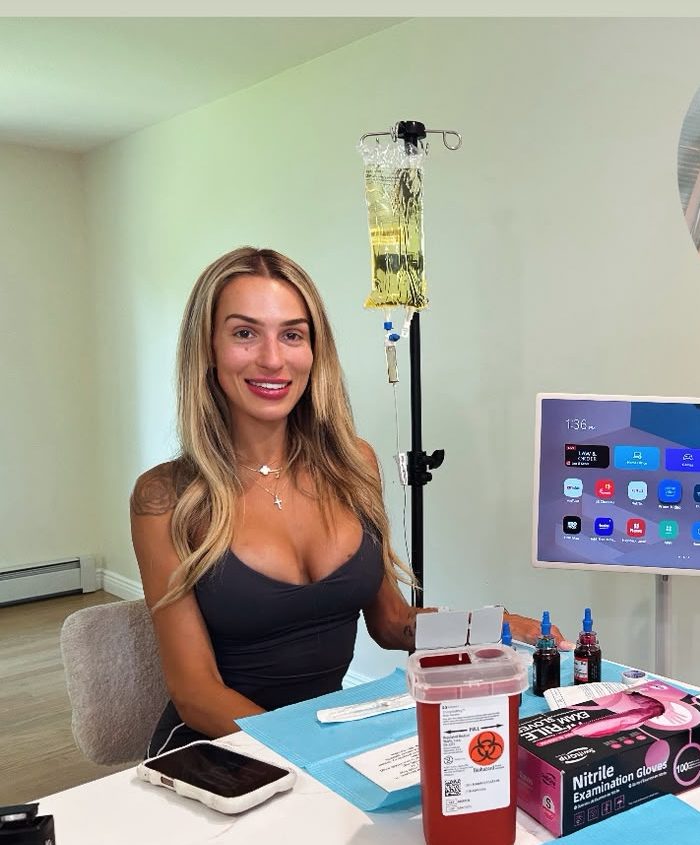
5. Supportive treatments can be added where they fit. Depending on your results, a plan may include treating a documented deficiency, such as iron, vitamin D or B12. IV therapy is an ideal complement to this approach. An infusion delivers a concentrated amount of vitamins and minerals straight to the bloodstream, while the fluid hydrates you and helps your body flush out toxins. People use it to support their immune system through cold season and as part of a wider change toward a healthier lifestyle. A drip takes about 30 to 60 minutes and a nurse brings it to you.
What the research shows
- Outcomes. A 2019 study from the Cleveland Clinic compared about 1,600 patients treated at its functional medicine center with about 5,700 treated in primary care. After six months, the functional medicine group reported larger improvements in physical health scores. The study was observational, so the groups may have differed in ways that affected the result.
- Lifestyle medicine. The core of the approach, food, activity, sleep and stress management, is supported by large randomized trials.
- Complementary therapies. Some have good evidence for specific uses, including acupuncture for chronic pain and mindfulness programs for stress and anxiety. Others do not.
What to be cautious about
- Unvalidated tests. Some panels marketed in this field have not been shown to predict or guide anything useful. Ask what a test will change before paying for it.
- Long supplement lists. A plan with many supplements and no clear reason for each one is a warning sign. Supplements can interact with medications.
- Claims to cure serious disease. Cancer, autoimmune disease and heart disease need conventional specialist care. Integrative care can support it and should never replace it.
- Stopping prescribed medication. Never do this without the doctor who prescribed it.
- Credentials. Check that the clinician holds a current state license.
Who it suits
- People with ongoing symptoms and normal standard tests, such as fatigue, digestive trouble, poor sleep or brain fog
- People with early risk markers who want to act before medication is needed
- People managing several chronic conditions who want one coordinated plan
- People who want more time with a clinician and are prepared to change habits
It is less suited to a single acute problem, such as a sore throat, where a standard visit is quicker and enough.
At Zen IV Spa
Our functional medicine visits take place by video or at your home anywhere in New York & New Jersey, with blood drawn at home by a licensed nurse. A licensed provider reviews your history and results with you and writes a plan. IV therapy and vitamin injections are available where the plan calls for them. Our medical director oversees every service. We work alongside your own doctors and share results with them at your request.
See Functional Medicine.
Quick answers
Is integrative medicine the same as functional medicine? They overlap. Integrative medicine combines conventional care with evidence-based lifestyle and complementary approaches. Functional medicine emphasizes finding underlying contributors through history and testing.
Is it real medicine? It is practiced by licensed clinicians and at major academic medical centers. Its lifestyle core has strong evidence. Some tests and supplements sold under the label do not.
Does it replace my regular doctor? No. It works alongside conventional care.
How long is a visit? A first visit is commonly an hour or more.
Does insurance cover it? Often not. Ask for an itemized receipt to submit to your plan.
Do I have to take supplements? No. A good plan starts with food, sleep and activity, and adds supplements only for a documented reason.
Want a longer conversation about your health? Call or text (332) 239-2005.
Sources: Neprash et al., Medical Care 2021 (measuring primary care visit length); Andrew Weil Center for Integrative Medicine, University of Arizona, definition of integrative medicine; Beidelschies et al., JAMA Network Open 2019 (functional medicine model of care and patient-reported outcomes); Diabetes Prevention Program Research Group, New England Journal of Medicine 2002; Estruch et al., New England Journal of Medicine 2018 (PREDIMED, Mediterranean diet); Pereira Gray et al., BMJ Open 2018 (continuity of care and outcomes, systematic review); National Center for Complementary and Integrative Health, Complementary, Alternative, or Integrative Health: What's In a Name? Educational content, not medical advice.
Ready to book?
Call or text (332) 239-2005, or book online. A licensed nurse comes to you anywhere in all of New York & New Jersey, 8 AM to 11 PM, seven days a week.
All treatments are medical services. Every guest is screened, and every treatment is provided only under the clearance, prescription or standing protocol of a licensed medical provider. Compounded peptides are not FDA-approved unless stated. Nothing on this page is a diagnosis or a promise of results.