What a Peptide Actually Is
A peptide is simply a short chain of amino acids — shorter than a full protein, but built the same way, and often signalling to a specific receptor rather than doing broad structural work the way a protein like collagen does. Insulin is a peptide. So is GLP-1, the hormone semaglutide and tirzepatide are built to mimic.
"Peptide therapy" as a category covers a wide range of very different molecules doing very different jobs, which is part of why the marketing around it gets muddled. Grouping BPC-157 with semaglutide because both are technically peptides is a bit like grouping ibuprofen with insulin because both are technically drugs — true, and not especially useful.
Three Buckets, Not One Category
It helps to split the peptides people actually ask about into three groups. GLP-1 and GIP receptor agonists — semaglutide, tirzepatide — are the best-evidenced by a wide margin, backed by large randomised trials and FDA approval for weight management and diabetes.
Growth-hormone secretagogues like sermorelin work differently: rather than replacing a hormone, they prompt your own pituitary to release growth hormone in its natural pulsatile pattern. The third bucket is repair and healing peptides — BPC-157 is the one most people ask about — where the preclinical story is genuinely interesting and the human trial data is thin to nonexistent.
Knowing which bucket you're asking about changes the conversation in a real way. A GLP-1 consult is largely about titration and side-effect management on a well-trodden path. A BPC-157 consult is a different kind of conversation — about a defined, time-limited course and honest expectations, on a path with far less human data behind it.
BPC-157: What It Is and Where the Evidence Actually Stands
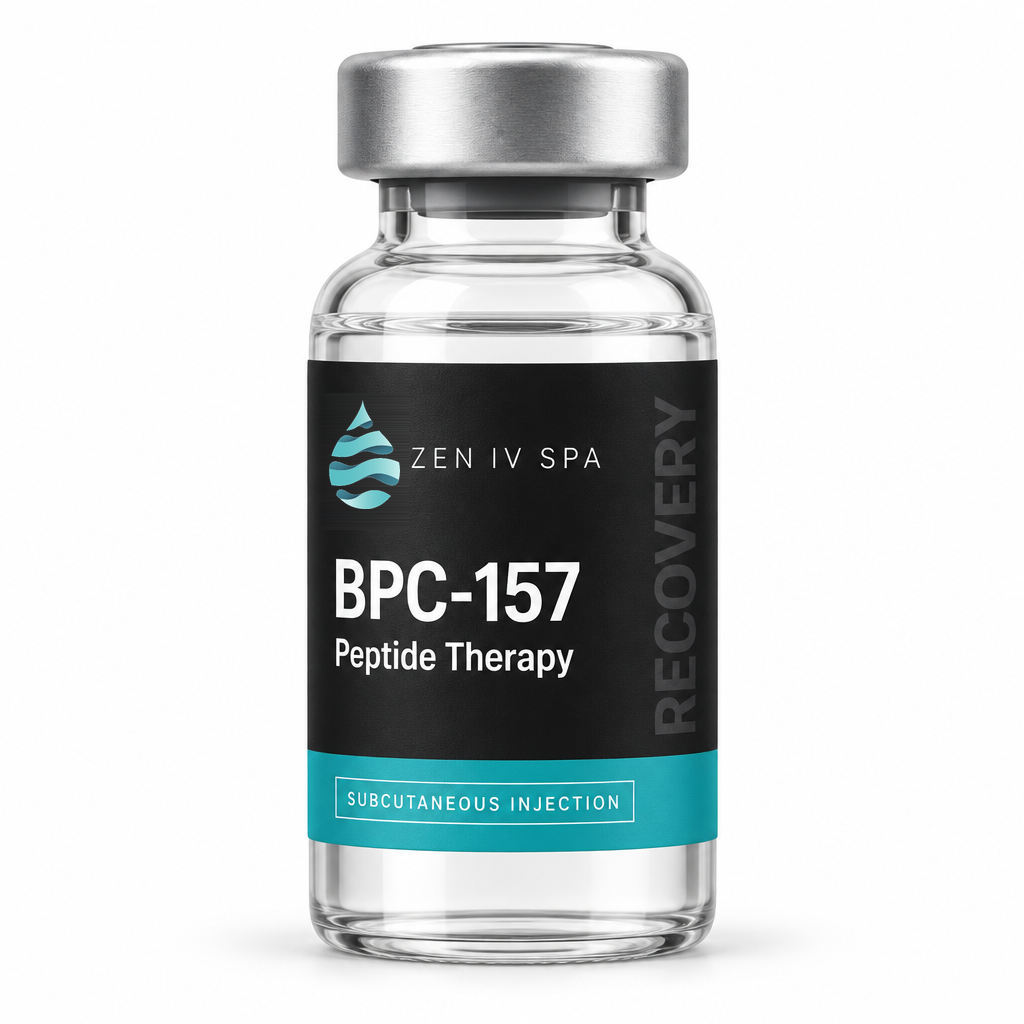
BPC-157 is derived from a protein fragment found in gastric juice, and the preclinical literature — almost entirely animal and in-vitro studies — centres on angiogenesis and fibroblast migration at injury sites, which is the mechanistic basis for its reputation around tendon, ligament and gut healing.
The honest caveat: BPC-157 is not FDA-approved, and there are no large human trials behind it. What exists is a body of animal research that's promising enough to justify short, carefully dosed courses under provider supervision — not enough to call it proven. If you compete under anti-doping rules, it's also worth knowing this compound is prohibited; ask before you start.
Sermorelin: The Case for a Slower Approach to Growth Hormone
Direct growth hormone replacement is a blunt instrument — it overrides your body's own feedback loop and floods a system built to respond to natural pulses, not a constant level. Sermorelin works differently: it's a GHRH analogue that prompts your own pituitary to release growth hormone in its own pattern, preserving that feedback rather than bypassing it.
Taken nightly and reviewed quarterly against IGF-1 — the stable, measurable downstream marker — sermorelin is one of the better-tolerated secretagogues with a genuinely long clinical history, even though outcome data in otherwise healthy adults is thinner than the enthusiasm around it would suggest.
NAD+ as a Peptide-Adjacent Option
NAD+ isn't technically a peptide, but it sits in the same conversation and the same program structure, and it's worth including here. Subcutaneous NAD+ — smaller, self-administered doses two or three times a week — is the maintenance option between infusion series, with a gentler curve than the IV version and the same honest caveat: the mechanistic case for cellular energy support is strong, and the long-term human outcome data isn't there yet.
We teach the first subcutaneous dose in person rather than by video, which tends to be the difference between someone sticking with a program and someone quietly stopping after week one.
Why a Program Matters More Than the Compound
Anyone can put a peptide in a vial and ship it — a search for BPC-157 or sermorelin online turns up plenty of vendors willing to do exactly that, with no labs, no provider review and no oversight of dosing or sourcing. What actually determines whether a peptide does what you're hoping for is everything around the compound: baseline labs, an honest look at your history, a defined course length rather than open-ended use, and someone reviewing how you're responding partway through.
That's the difference between a program and a purchase, and it's most of what you're actually paying for.
- —Baseline labs before anything is prescribed.
- —A defined course length — most repair peptides run eight to twelve weeks, then a break.
- —A mid-course check-in with your provider, not just a refill.
- —Sourcing from a licensed pharmacy, not an unregulated importer.
What a Program Costs and Includes in NYC
BPC-157 runs from $189 a month, all-inclusive of provider oversight; sermorelin from $249 a month; subcutaneous NAD+ from $199. Medication cost is built into those figures rather than billed separately, which isn't universal in this category — worth confirming with any provider you're comparing us against.
Every program includes the provider consult, the labs review, and ongoing messaging access — the parts of the service that actually determine whether the compound does anything useful for you.
Who Shouldn't Start One
Active malignancy rules out most growth-hormone-adjacent peptides, sermorelin included, given the theoretical concern about growth signalling near active cancer. Pregnancy and breastfeeding rule out essentially everything in this category. And if you're not willing to accept a defined, time-limited course for a repair peptide like BPC-157, that's a sign the fit isn't right — open-ended use isn't something we'll prescribe regardless of how well a first course went.
None of this is exotic caution. It's the same basic screening any prescription therapy gets, applied consistently rather than skipped because the compound sounds more like a wellness product than a medication.
What to Ask Before You Start With Anyone
Ask who's reviewing your labs and whether a provider signs off before the medication ships — not after. Ask what the course length is and what happens at the end of it, particularly for a repair peptide like BPC-157, where open-ended use isn't something a careful provider should offer regardless of how well the first course went.
Ask where the medication is actually sourced from. A licensed compounding pharmacy is a very different supply chain from an unregulated importer, and it's a fair question to ask directly rather than assume.
Where This Fits Alongside GLP-1 Programs
Repair and growth-hormone peptides aren't a substitute for a GLP-1 program if weight loss is the actual goal — semaglutide and tirzepatide remain the best-evidenced tools for that specifically, and we'll say so if that's what you're really asking about. Where peptides like BPC-157 and sermorelin fit is alongside an existing routine: a training block that needs a recovery boost, a maintenance phase after a GLP-1 program, a sleep and body-composition goal that isn't primarily about weight.
A provider consult sorts out which category you're actually in before anything gets prescribed either way.
Getting Started
Every program begins the same way regardless of which peptide you're asking about: a consult, a lab draw at your home or a lab near you, and a provider decision based on what those labs actually show — not a subscription page that skips straight to checkout.
Call or text (332) 239-2005, or book a consult online. Results are usually back within three business days, and nothing is prescribed until a provider has reviewed them — across Manhattan, Brooklyn, Queens, the Bronx, Staten Island, and the wider metro area beyond the five boroughs.
Start With a Conversation, Not a Vial
Every peptide program at Zen IV Spa begins with a provider consult and baseline labs before anything is prescribed — across Manhattan, Brooklyn, Queens, the Bronx and Staten Island.